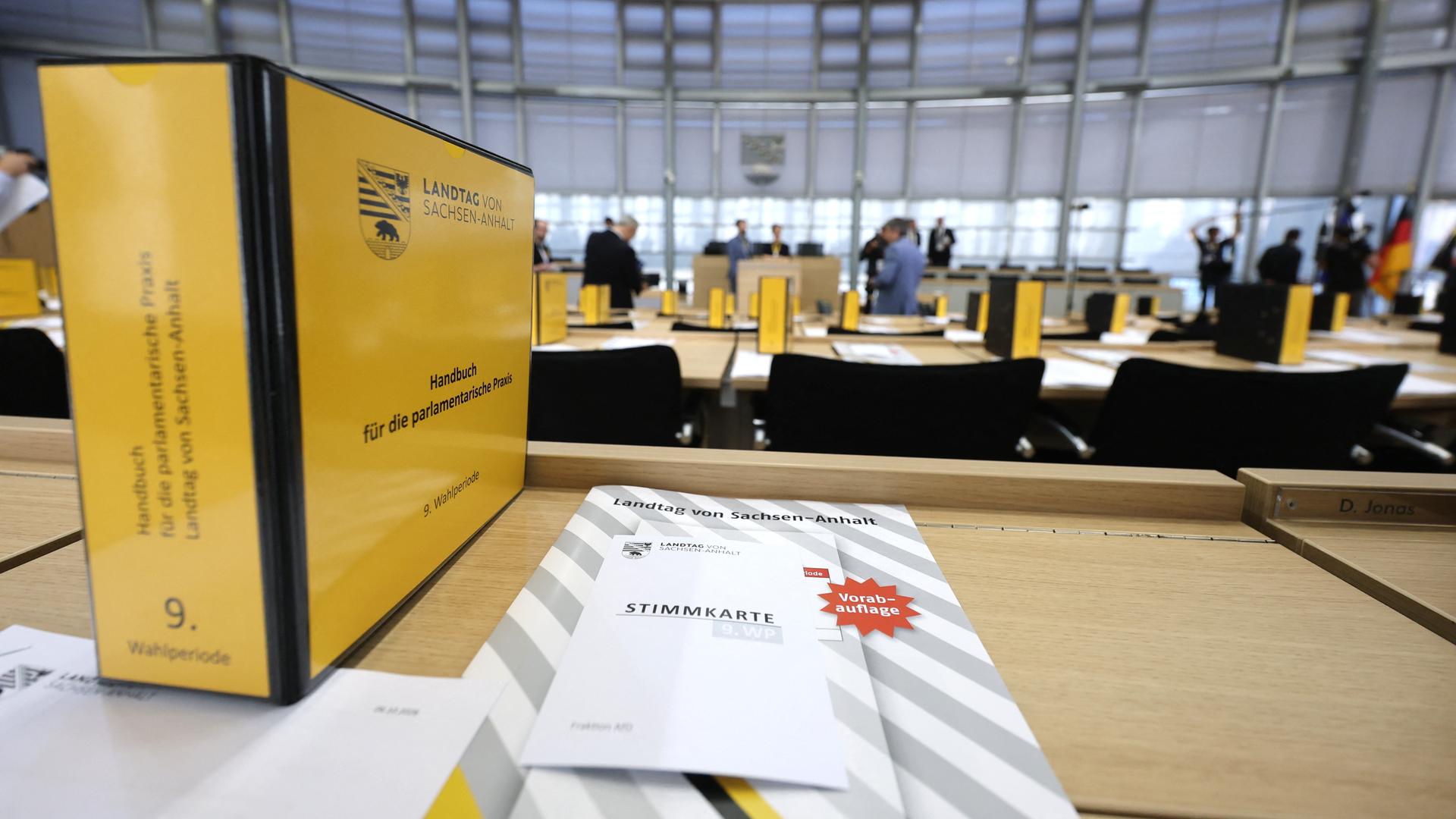
The National Rally (Rassemblement national) is holding the final day of its congress in Orléans on Sunday, 25 October, with thousands of party supporters gathered at the Co'Met Arena, according to BFM. The broadcaster reports that the CRS8 unit, a riot-control formation created in 2021 for rapid deployment during urban unrest, has been sent to the city, citing a source close to the matter. Authorities have barred public demonstrations across the whole commune between 7am and 22pm, a measure the prefecture of Centre-Val de Loire and Loiret said was justified by a probable risk of clashes and confirmed by two rulings of the administrative court.
Why it matters
The congress is the party's first major presidential meeting of the campaign cycle, and it is taking place against a backdrop of industrial action and street protest across France. BFM reports that the prefecture had expected 30,000 demonstrators against the party on Saturday, while 13,000 turned out. The same day, according to the interior ministry, 410,000 people marched nationwide over the cost of living and for more funding for public services — a figure the CGT put at 800,000. The overlap of a party congress, a banned counter-demonstration and a wider social movement makes Orléans a test of how the state balances security with the right to protest.
Security measures and a contested ban
The prefecture announced the ban on public gatherings in a message on social media, citing the risk of confrontations around the venue chosen by the party to close its congress. Under the penal code, taking part in a prohibited demonstration carries a flat fine of 135 euros, BFM notes. After an appeal by the Sud-PTT Loiret union, the administrative court also upheld the order banning an antifascist march that had been planned for Sunday, the broadcaster reports.
Louis Aliot, the mayor of Perpignan and a senior party figure, praised the arrangements in an interview with BFMTV. He said the prefect and the city's mayor had taken every step to ensure the event ran smoothly, and that the government had grasped the potential dangers at play. He added that activists would turn out for what he called the first presidential rally of the campaign.
Coverage of the weekend has not been uniform. Le Monde described an antifascist demonstration in the city as sombre and marked by divisions on the left, while franceinfo quoted a participant saying they would have much to fear from such a party reaching power. Le Dauphiné Libéré reported that a coach carrying party members from the Isère region was attacked. Mediapart accused the party's own stewards of rough treatment of its journalists — a claim the party has not addressed in the reporting summarised here.
Candidates, loans and the calendar
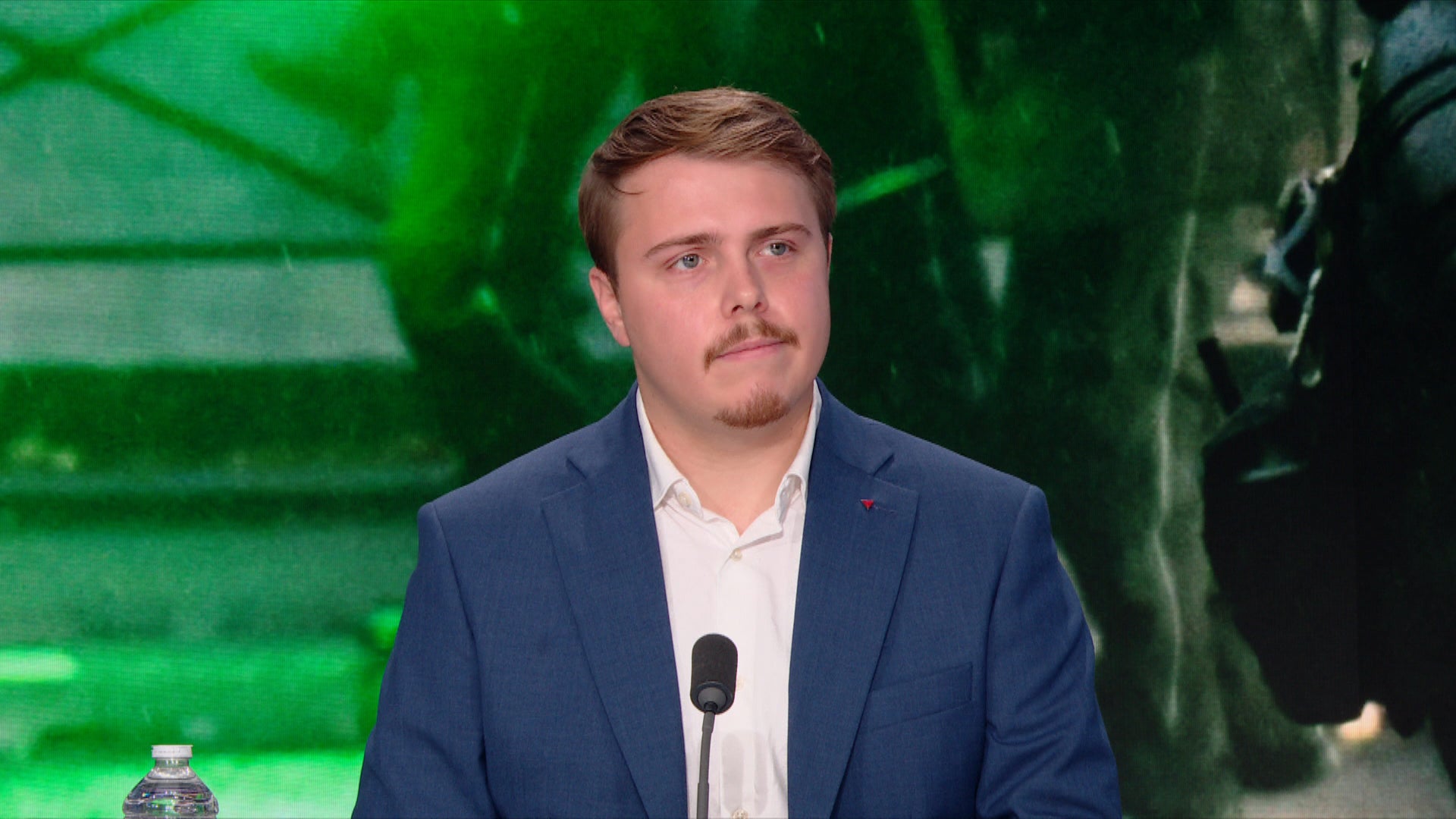
Speaking to BFMTV before the congress, Aliot acknowledged that the party would eventually run short of money for a normal presidential campaign if banks continue to refuse loans. No loan has yet been approved for Marine Le Pen's campaign, he said, adding that the party was currently making do and that things were not going badly so far.
Aliot also pressed the government over the election timetable, saying he would prefer the second round to be held before 1 May. He said a consensus had appeared to favour weekends ahead of the Labour Day holiday, but that the government had not adopted it, and that it was not too late to change course.
The day's programme at the arena is dense. Jordan Bardella, recently re-elected as party president, is scheduled to address supporters at 15:15, with Marine Le Pen speaking from around 15:40, according to BFM.
On the left, La France insoumise MP Louis Boyard told BFMTV that people cannot wait six months until the presidential election. He accused the president of respecting nothing but his own word and of behaving like a monarch, and called on him to show responsibility. He argued that while the government shows contempt for the people, people are entitled to keep mobilising, and that young people and ordinary citizens are not protesting for symbols.
Murielle Guilbert, co-general delegate of the Solidaires union, said on BFMTV that each union decides whether to call action, but that she expected filings for demonstrations next Saturday, 31 October, from her organisation and probably from the CGT as well. She said it mattered that social anger be expressed and not caricatured.
Public opinion and the student voice
An Ipsos-BVA-CESI engineering school poll conducted online after the events of 17 October and published in Le Parisien found that Jean-Luc Mélenchon of La France insoumise would reach the second round in every scenario tested. Marine Le Pen remains well ahead, with between 32% and 33.5% of voting intentions depending on the hypothesis, according to the same poll.
Saturday's marches also carried student demands, with the Parcoursup university admissions platform a recurring theme in the processions. Ryad Rani, president of the Union syndicale lycéenne, said pupils were still marching on their ten demands and were waiting for announcements. Manon Moret, a general secretary quoted by BFM, said hundreds of thousands of young people were left without a university place and were having their right to study taken away.
What to watch next: whether unions file new demonstrations for 31 October, and whether the government responds to Aliot's call to move the second round before 1 May.