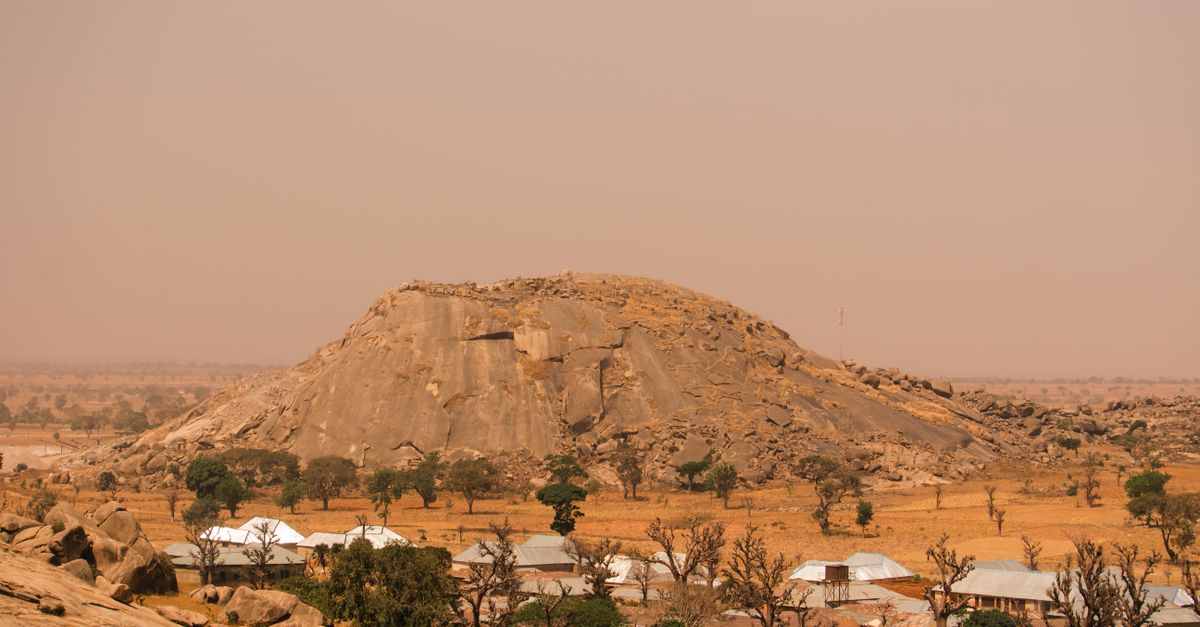
A farmer in Namibia came across a 60-ton slab of iron in 1920, according to Radio Mitre. More than a century later, the object has not been moved from the spot where it was found, and it now stands as the largest meteorite remnant on Earth.
Radio Mitre reports that the farmer encountered the mass while out hunting and sat on what appeared to be an unusual rock. It later turned out to be the largest naturally occurring piece of metal ever found on the planet, the outlet states.
The object is known as the Hoba meteorite, a name drawn from the farm where it rests. Its weight is put at roughly 60 tons, and its composition is iron — a detail consistent across the accounts. Reports describe it as a single mass rather than a collection of fragments, which is part of why it holds the record it does.
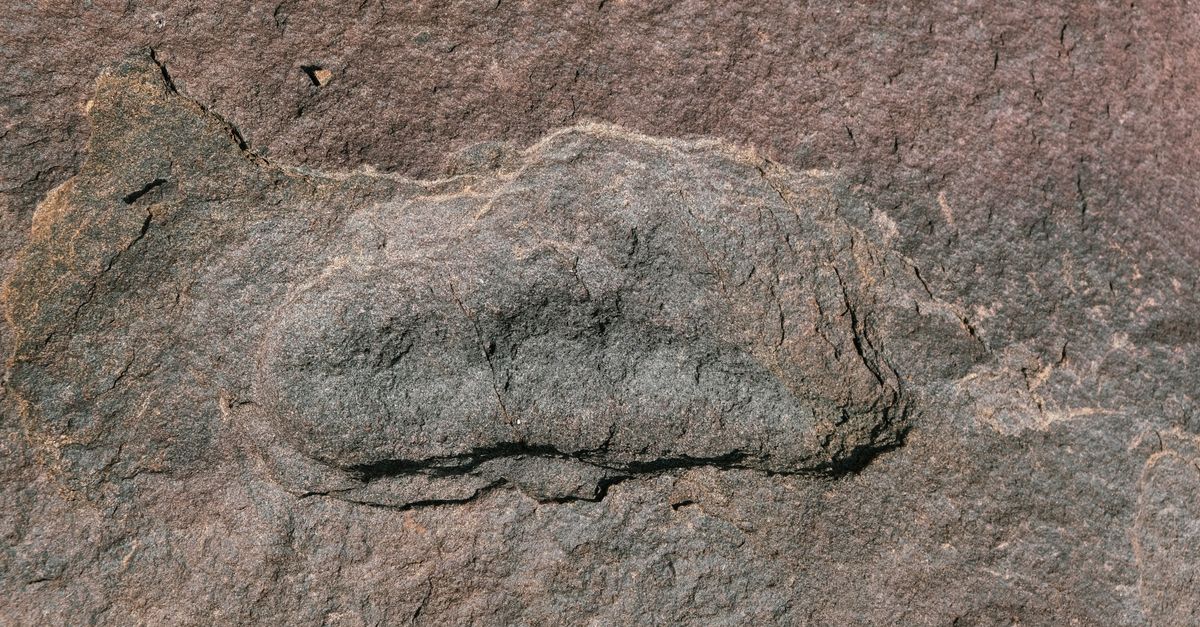
Coverage of the find has circulated widely in Spanish-language media, with outlets including La Nación, Los Andes, Gizmodo en Español and La Gaceta all retelling the story of the discovery and its outcome. The common thread in those accounts is the same: a routine day of hunting led to an object that scientists and historians have kept returning to ever since.
What to watch next: whether Namibian authorities or researchers release updated measurements or preservation plans for the site, given that the meteorite has stayed in place for over a hundred years.



