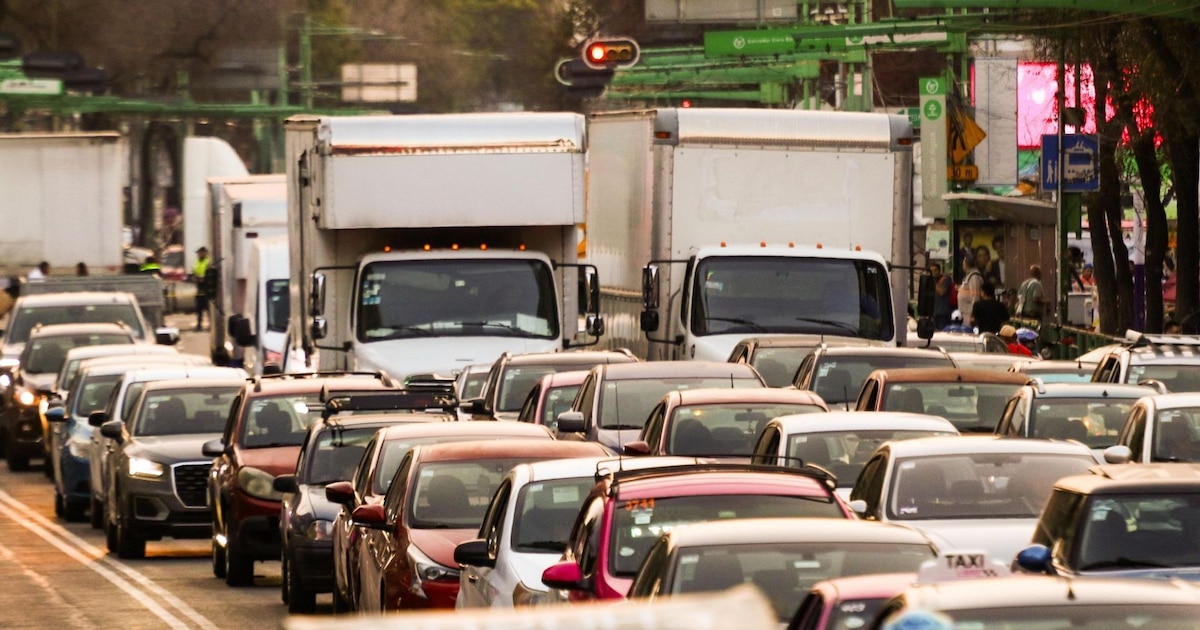
Truck drivers blocked the Puebla-Córdoba highway at the Chachapa Industrial Park on Monday, October 26, as part of a nationwide day of protests by Mexico's freight haulers, according to Infobae. The stoppage was one of several disruptions reported across the country as drivers pressed demands for safer roads and action against extortion. The same day, the federal Interior Ministry (Segob) publicly urged the National Chamber of Cargo Transport (Canacar) to call off its highway blockades.
Why it matters
The protests target the conditions under which goods move through Mexico. Segob warned that road closures disrupt travel for thousands of people and interfere with freight movement, product supply, and commercial and industrial activity, Infobae reported. The ministry argued that the sector's grievances should not come at the expense of daily life for the wider public, and said it was keeping dialogue channels open.
The day also illustrated how fragmented the trucking sector's position is. Segob Secretary Rosa Icela Rodríguez said the ministry had met with representatives of transport organizations who rejected the stoppage called by Canacar, according to Infobae. That split means the federal government is negotiating with a sector that is not speaking with one voice.
Blockades reported from center to north
Beyond Puebla, drivers partially closed the México-Pachuca highway, Infobae reported. Participants cited safety on the roads and the state of highway infrastructure as their reasons, pointing to the hazards they face while working across the country.
In Toluca, truck traffic backed up for kilometers on Paseo Tollocan, with congestion reported from Torres Bicentenario, according to Infobae. In the capital, traffic was halted in both directions on the central lanes of Paseo de la Reforma between the Estela de Luz and the Ángel de la Independencia; Infobae attributed that closure to logistics work in the area rather than to the truckers' protest.
In Jalisco, haulers gathered at the junction of the Chapala highway and Periférico Sur, on the edge of Tlaquepaque, before heavy cargo units began moving during the day, Infobae reported. The presence of the trucks was expected to affect traffic on approaches to the Chapala road and nearby stretches of Periférico Sur.
Sinaloa joins with extortion and profitability demands
Drivers in Sinaloa added their voices to the national day of demonstrations and blockades, calling for security on the highways, Infobae reported. The sector demanded measures against extortion, one of the concerns raised during the protest. Participants also pointed to what they described as a lack of profitability weighing on the transport business. Their demands were folded into the wider set of grievances raised at protest points around the country.
Some states stay clear
Not every state saw disruptions. Oaxaca's government secretary, Jesús Romero López, said the state's roads remained open despite the national stoppage, with no reports of traffic problems as of Monday morning, according to Infobae. In Morelos, haulers joined the national action with a gathering on the Autopista del Sol near Cuernavaca; by midday no blockades had been registered there, Infobae reported.
Coverage of the day also pointed to the longer history behind the unrest. Milenio referred to 41 days of disruption on Puebla's roads, and Reforma reported that 14 routes were blocked following the killing of an Amotac leader in Puebla. El Popular reported a partial blockade on the Cuacnopalan-Oaxaca highway that caused a traffic collapse at the Tehuacán toll booth. These accounts come from those outlets and were not independently confirmed in the Infobae reporting summarized here.
A sector under pressure
The demands voiced on Monday converge on a few themes: physical safety for drivers, protection from extortion, and the economics of hauling freight in Mexico. Infobae reported that the Sinaloa contingent framed its participation around security and profitability, and that protesters on the México-Pachuca route raised both road safety and infrastructure quality.
Segob's appeal to Canacar rested on the knock-on effects of closures: blocked highways delay people getting to work and school, hold up merchandise, and interrupt the supply of goods to businesses and industry, the ministry said, according to Infobae. The ministry said it would continue talking with the sector in pursuit of agreements that address its demands without shutting down the roads.
What to watch: whether Segob's talks with transport groups produce a commitment to lift the blockades, and whether the split between Canacar and the organizations that rejected its stoppage narrows or widens in the coming days.