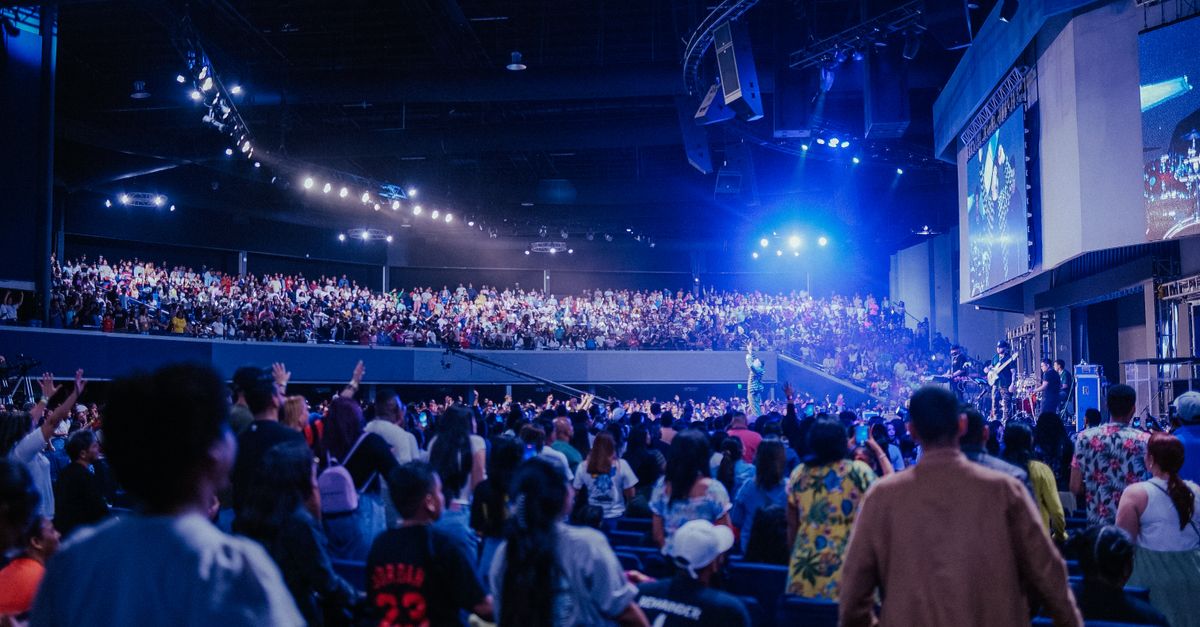
Picture this: a sold-out arena, 18,000 fans on their feet, and a television audience of nearly 19 million people. Now picture the athletes at the center of it all — and then remember that just a few years ago, plenty of executives would've told you nobody wanted to watch women's sports.
That number isn't hypothetical. The 2024 NCAA women's basketball championship drew more viewers than the men's final. Let that sink in for a second. The women's game outdrew the men's. If you'd predicted that a decade ago, people would've laughed you out of the room. Today, it's just Tuesday.
I've been watching this shift closely, and here's the truth: women's sports aren't having a moment. They're having a movement. And the viewership data backs it up in ways that are hard to ignore.
The Numbers That Should Make Every Sports Executive Sit Up Straight
Let's get concrete, because the stats tell a wild story. Viewership for women's sports has exploded across nearly every major league and competition. The WNBA's 2024 season shattered records, with regular-season games drawing audiences that rival some NBA broadcasts. The NWSL — women's soccer — keeps signing broadcast deals that would've seemed absurd five years ago. And the Olympics? Women's events consistently pull in some of the biggest audiences of the entire Games.
But here's what most people miss: this isn't a sudden fluke tied to one superstar or one viral moment. The growth is structural. It's built on years of investment, storytelling, and — crucially — actually putting games on TV where people can find them. Revolutionary concept, right?
For decades, the excuse was "there's no audience." Turns out the real problem was "there's no airtime." When networks finally started broadcasting women's games with real marketing budgets behind them, audiences showed up in droves. Funny how that works.
What Changed? (Hint: It's Not Just Talent)
I've found that whenever something like this happens, people rush to credit a single factor. A Caitlin Clark. A Alex Morgan. A Serena. And sure, transcendent stars matter — they're the spark. But sparks need dry wood, and the wood here has been stacking up for years.
Let me break down what's really driving the surge in women's sports viewership:
- Better broadcast access. Games are finally on major networks and streaming platforms, not buried on obscure channels at 2 p.m. on a Tuesday.
- Social media storytelling. Athletes are building direct relationships with fans in ways traditional media never allowed. The personalities are right there, unfiltered.
- Investment in leagues. The WNBA, NWSL, and others have secured real money — better facilities, better marketing, better everything.
- Cultural shift. Younger fans don't carry the old biases. They just want to watch great competition. Full stop.
The Money Finally Follows the Eyeballs
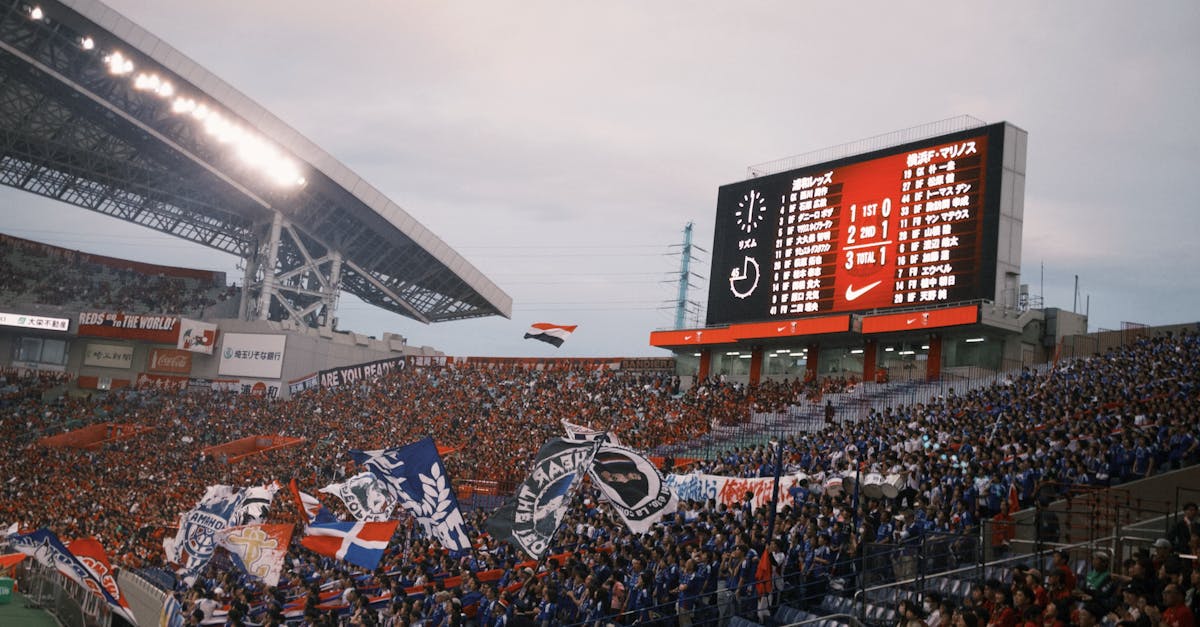
Here's a sentence I never thought I'd write: media rights deals for women's sports are now worth hundreds of millions of dollars. The WNBA inked a massive new broadcast agreement. The NWSL's deals have multiplied. Sponsors who once treated women's leagues as an afterthought are now fighting for prime placement.
And let's be honest — this is where the rubber meets the road. Viewership is wonderful, but money is what makes growth sustainable. When sponsors and networks see real ROI, they invest more. When they invest more, production quality goes up. When production quality goes up, more fans tune in. It's a flywheel, and it's finally spinning fast.
I've talked to people inside these leagues, and the energy is palpable. There's a sense that the ceiling everyone assumed existed was never real — it was just a story people told themselves to justify not trying.
The Challenges Nobody Wants to Talk About
I'd be doing you a disservice if I pretended everything was sunshine and rainbows. The rise is real, but it's uneven. Some women's leagues are booming while others still scrape for coverage. Pay disparities remain stubbornly wide. And there's a frustrating tendency for media to treat each success as a novelty rather than the new normal.
Here's what I keep coming back to: the biggest risk isn't that the growth stops. It's that the industry gets lazy and assumes momentum is permanent. It's not. Every league has to keep earning attention, keep telling stories, keep making games easy to watch. The moment anyone says "we've made it," they start sliding backward.
So What Happens Next?
I'll make a prediction: within the next five to ten years, women's sports won't be a "growth story" anymore — they'll just be sports. The distinction will fade. Young fans who grew up watching Angel Reese and A'ja Wilson and Sophia Smith won't understand why anyone ever thought otherwise.
That's the future I'm betting on. And honestly? It can't come fast enough.
If you've been sleeping on women's sports, here's your nudge: pick a league, watch a game this week, and see for yourself what all the fuss is about. You might just find your new favorite team. And if you're already a fan — bring someone along. The movement grows one viewer at a time, and you're part of it.