My neighbor's kid built a full-blown rock-skipping course on the creek behind our houses last summer. Spray-painted lanes, a laminated scoreboard, a strict "one bounce past the bridge equals automatic disqualification" rule. I laughed at first. Then I watched eight adults—grown men with mortgages—line up on a Saturday morning to compete in the Second Annual Creek Classic. Winner got a plastic trophy and bragging rights until Labor Day. Nobody mentioned the NFL once.
That, right there, is the whole story of micro-sports in a nutshell.
The Scoreboard in Your Backyard
We're living through a weird, wonderful moment where niche competitions are stealing the spotlight from the giants of sports. Don't get me wrong—the Premier League and the NBA aren't going anywhere. But something's shifted. People are craving stakes they can actually touch.
I've found that the appeal comes down to three things:
- Accessibility. You don't need a scholarship or a 40-inch vertical. You need a creek, a Frisbee, or a decent throwing arm.
- Community. Micro-sports are inherently local. The competition is your neighbors, not a franchise in another time zone.
- Stakes without the circus. There's a winner, a trophy, a story. No billion-dollar broadcasting deals required.
From Niche Obsession to Legitimate Subculture
Here's what most people miss: micro-sports have been quietly professionalizing while nobody was paying attention. Cornhole went from tailgate game to ESPN broadcast with a national tour and six-figure sponsorships. Disc golf has a pro circuit that pays real money. Pickleball—arguably the gateway drug of micro-sports—became the fastest-growing sport in America almost overnight, and now has its own professional league with TV deals.
But it goes deeper than the big names. Search for "niche sports competitions" and you'll tumble down a rabbit hole of delightfully weird events: stone skimming championships in Scotland, toe wrestling in England, extreme ironing (yes, really), and competitive wife-carrying in Finland. These aren't jokes to the people competing. They're serious traditions with rulebooks, qualifying rounds, and fiercely defended records.
Let's be honest—the word "niche" has a snobbery problem. We hear it and picture a guy in a basement with a weird hobby. But niche just means specific, and specific is where passion lives. A 10,000-person crowd screaming for cornhole is every bit as loud as one screaming for a soccer match. The volume doesn't know it's supposed to be small.
The Algorithm Loves an Underdog
There's a technological engine underneath all this, and it's not subtle. Social media platforms reward the unusual. A clip of a championship-winning cornhole shot gets shared faster than a mid-season basketball highlight, because it surprises people. Surprise is currency.
I've noticed the pattern in my own feed: the more obscure the sport, the more likely I'll watch a 90-second clip to the end. Why? Because I have no idea what's going to happen. With the big leagues, I know the rules, the stars, the stakes. With competitive rock-paper-scissors, I'm learning as I watch. That novelty is addictive.
This is the hidden superpower of micro-sports: they're inherently shareable. Every event is a story waiting to be clipped. Every underdog is a headline. The mainstream sports machine spent decades building walls around its content; micro-sports grew up in the open, and the algorithm rewarded it.

Why the Big Leagues Should Be Nervous
Now, I'm not predicting the collapse of the NFL. That's silly. But I do think the giants should be paying attention to what's happening at the margins, because the margins are where habits form.
Consider the economics. A weekend warrior can enter a local pickleball tournament for the price of a couple of stadium beers. A family can spend a Saturday at a disc golf course for free. Meanwhile, taking four people to a major league game runs you several hundred dollars before you've bought a hot dog. Micro-sports are winning on cost-per-memory, and that's a metric the big leagues can't compete with.
There's also the identity factor. Tell someone you're a Lakers fan and they nod. Tell them you're the reigning champion of your neighborhood's annual stone-skimming invitational and they lean in. One is a logo on a hat. The other is a story you own.
Here's what most people miss about the rise of niche competitions: it's not really about the sports at all. It's about participation versus spectatorship. For a generation raised on highlight reels, the appeal of actually playing—badly, publicly, with friends—turned out to be stronger than anyone predicted.
A Trophy You Can Actually Win
Let me get a little philosophical for a second, because I think this matters beyond sports.
There's something quietly radical about a competition where the winner lives down the street. It reminds us that achievement doesn't have to be televised to count. The Creek Classic trophy is plastic. The winner's name is written in permanent marker. And yet those eight adults showed up on a Saturday morning because the stakes felt real in a way that watching other people compete never quite does.
Micro-sports are a rebuke to the idea that only elite performances deserve attention. They say: your Saturday counts. Your weird hobby counts. Your neighborhood counts.

Grab a Bracket and Start Something
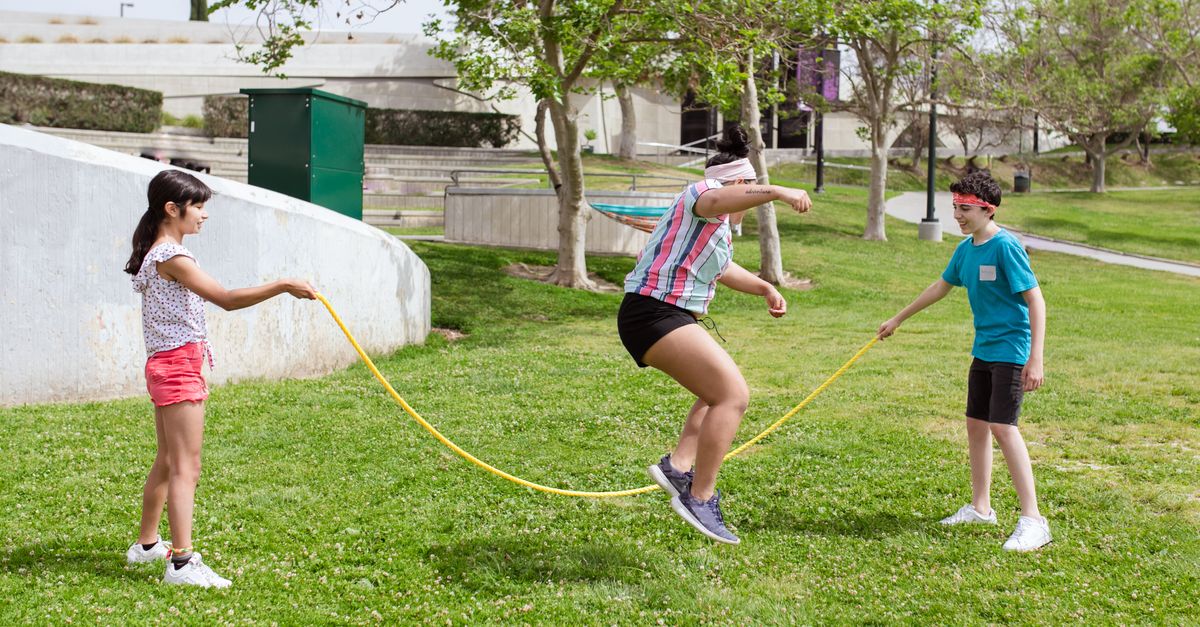
So here's my challenge to you. Somewhere in your life there's a creek, a parking lot, a kitchen table, or a patch of grass that's begging for a competition. A bracket. A scoreboard. A trophy from the dollar store. You don't need a league, a permit, or permission.
The rise of micro-sports isn't something that's happening to you—it's something you can join this weekend. Pick the weirdest skill you have, invite six friends, and invent a championship. I promise the bragging rights will outlast any highlight reel.
What's the most obscure competition you've ever entered? Or the one you'd invent if you had a free Saturday and a laminated scoreboard? I genuinely want to know—drop it in the comments, and maybe I'll see you at next year's Creek Classic.