
I was scrolling through earnings reports last Tuesday night—yeah, riveting stuff, I know—when a single number made me sit up straight. In just 90 days, the five biggest tech companies on the planet poured roughly $80 billion into AI infrastructure. That's not a typo. That's more than the annual GDP of entire countries. And here's the part that genuinely stunned me: they're not even pretending to slow down.
Let me put that in perspective. If you spent a million dollars every single day since the pyramids were built, you'd still be short. That's the scale we're talking about. So what exactly is happening inside this AI arms race, and why should you care? Stick with me, because this story affects your job, your feed, your kids' homework, and honestly, your electric bill.
The $80 Billion Question Nobody's Answering Honestly
Here's what most people miss about these eye-watering numbers. The spending isn't really about building smarter chatbots. It's about locking down the future of computing itself.
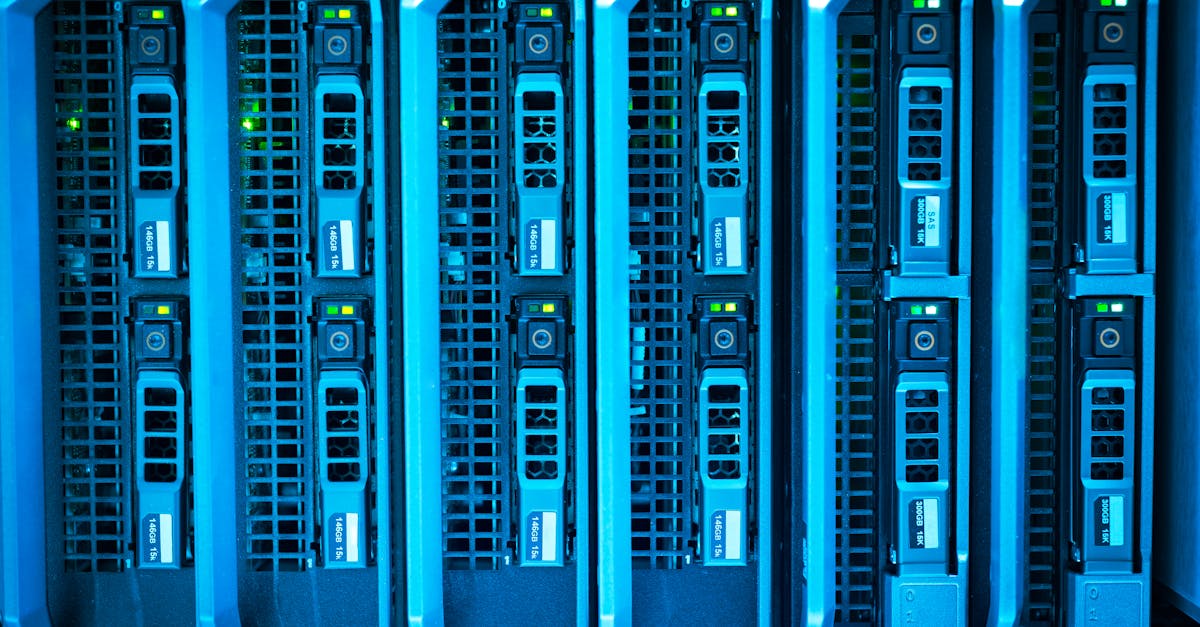
Microsoft, Google, Amazon, Meta, and a handful of others are racing to build data centers at a pace the world has never witnessed. We're talking about warehouses the size of football stadiums, packed with GPUs that cost more than your first car—each. I've found that when you trace where this money actually goes, the answer is almost always the same: land, power, and chips. Not software. Not apps. Infrastructure. The boring, unsexy backbone that decides who wins the next decade.
Think about that for a second. These companies aren't betting on a product. They're betting on the entire foundation of the digital economy. When was the last time you saw that kind of conviction?
Why Power Grids Are the New Gold Rush
Want to know the strangest side effect of the AI boom? Electricians and energy traders are becoming the hottest hires in tech. No joke.
Data centers now consume electricity at a rate that makes small nations jealous. In some regions, utilities have quietly delayed retiring coal plants just to keep the lights on for AI clusters. I've talked to folks in the energy sector who say the demand curve looks nothing like anything they've planned for in forty years.
Let's be honest—when a tech company signs a power purchase agreement longer than most marriages, you know something fundamental has shifted. The race isn't just about who has the best model. It's about who can keep it running without melting the grid.

The Three Bets Hiding in Plain Sight
Strip away the press releases and you'll find every dollar funneling into three specific gambits:
- Compute supremacy — Owning enough GPUs to train models nobody else can afford to build. It's a moat made of silicon.
- Energy access — Securing power deals before competitors even know a region exists. First mover wins, everyone else pays a premium.
- Talent hoarding — Poaching researchers with seven-figure packages and equity that would make a Wall Street banker blush.
What This Means for the Rest of Us
Okay, Carlo, cool story—but what does $80 billion in 90 days actually mean for regular people? Fair question. Here's my honest take.
First, prices will drop. When this much capacity gets built, compute gets cheaper. Cheaper compute means AI tools become as common as spreadsheets. Your doctor, your mechanic, your kid's tutor—all augmented.
Second, jobs will shift, not vanish. I know that's the comforting version, but I genuinely believe it. The people who thrive won't be the ones who resist AI. They'll be the ones who learn to direct it, question it, and clean up its messes.
Third, and this is the part that keeps me up at night—power will concentrate. The companies spending $80 billion aren't doing it out of charity. They're building leverage. And leverage, unchecked, usually gets spent.

The Uncomfortable Truth About the AI Arms Race
Let me be blunt. The AI arms race isn't really a race at all. It's a land grab. The finish line keeps moving because the goal was never to finish—it's to own the track.
I've watched tech cycles come and go. The dot-com boom, the mobile explosion, the cloud wars. Every single time, the hype outran reality, and the companies with real infrastructure survived. This time, the infrastructure spending is so absurd that even a skeptic like me has to admit: something real is being built here.
But here's my challenge to you. Don't just watch this from the bleachers. Learn how these systems work. Ask hard questions about who benefits. Play with the tools. Break them. Understand them. The people who treat AI as a mystery will be spectators. The people who treat it as a tool will be architects.
The $80 billion question isn't whether this changes everything. It's whether you'll be ready when it does.
So—what are you building with your slice of the future?



