
Let me tell you something about the way I used to travel: I treated it like a competitive sport. Four cities in seven days. Sunrise at the Trevi Fountain, sunset in Florence, night train to Venice, espresso in hand like a trophy. I came home needing a vacation from my vacation and a chiropractor for my spine.
So when slow travel started showing up everywhere — on my For You page, in my group chats, in that one friend's smug Instagram captions from a six-week stint in Lisbon — I rolled my eyes. Hard. Slow travel sounded like something invented by people who work remotely and own linen pants.
But curiosity is a stubborn thing. And honestly? My last three trips had blurred together into one long memory of airports and overpriced paninis. So I made a deal with myself: 30 days, one base, no itinerary. I'd stay in a single neighborhood, live like a temporary local, and see if the slow travel trend was a genuine philosophy or just burnout with better branding.
Spoiler: it broke my brain a little. In a good way.
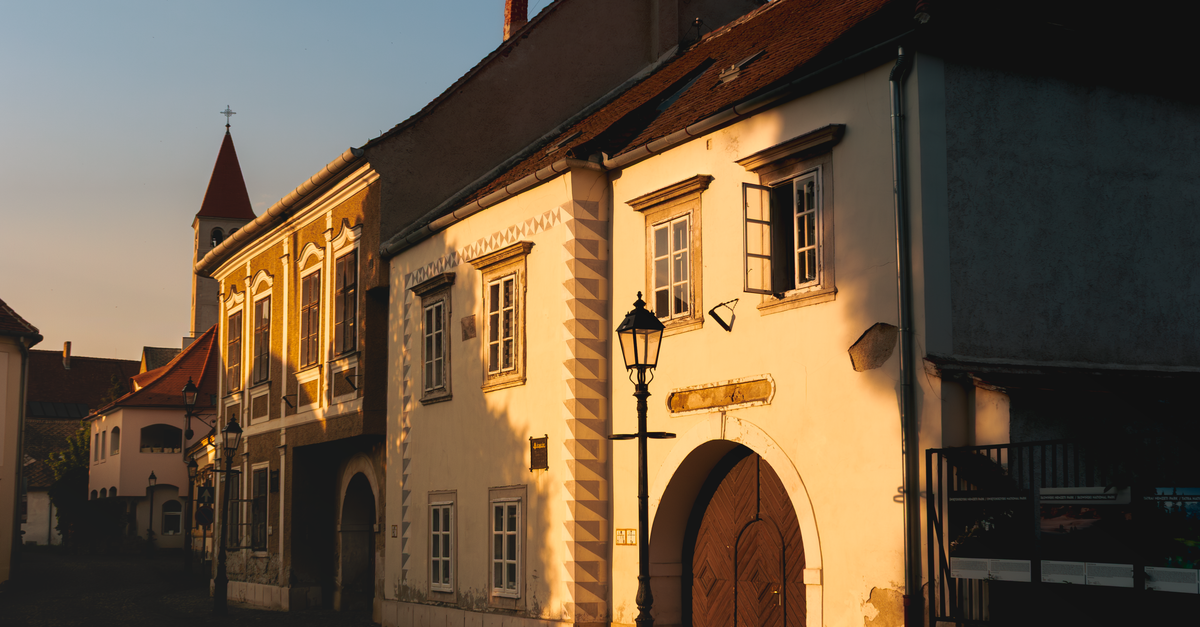
The Rules I Made Up (And Immediately Broke)
I picked a mid-sized city with decent public transit and rented a small apartment for the full month. My self-imposed rules were simple:
- One home base. No hopping to a new town every three days.
- Maximum two "big" activities per week. Museums, day trips, tours — that's it.
- Grocery shop like a resident. Cook at least half my meals.
- Learn five words of the local language daily. Bonus points for using them badly.
- No itinerary apps. Wander, get lost, figure it out.
But here's what most people miss about the slow travel trend: it's not about doing nothing. It's about doing less, but deeper. The magic isn't in the absence of plans — it's in the space those plans leave behind.
Day 7: The Boredom Hit Like a Truck
Nobody warns you about this part.
By the end of week one, I had seen the main sights. I knew which bakery opened at 6 a.m. and which barista made the good flat white. And then... nothing. A whole empty Tuesday stretched out in front of me like a blank page, and I panicked. My brain, trained by a decade of itinerary-maximizing, screamed you're wasting the trip.
So I did something radical. I sat in a park and read a novel for four hours.
I've found that travel boredom is actually a withdrawal symptom. We're so addicted to stimulation — the next landmark, the next photo, the next "must-see" — that stillness feels like failure. But around day seven, something shifted. I started noticing things I'd normally sprint past: the old men playing cards outside the café, the way the light hit the church at 5 p.m., the specific rhythm of the neighborhood on a Sunday.
That's the secret the slow travel trend is really selling. Not laziness. Attention.

What 30 Days in One Place Actually Taught Me
Here's the honest breakdown of what changed, and it wasn't just my Instagram aesthetic.
1. I spent less money than a one-week trip. This shocked me. Renting monthly, cooking, and skipping the tourist-trap restaurants cut my daily costs nearly in half. The slow travel trend isn't just a vibe — it's genuinely cheaper. Who knew that not panic-booking a €90 dinner every night saved cash?
2. Strangers became familiar faces. By week three, the woman at the fruit stand knew I liked the small oranges. The bartender remembered my order. That tiny thread of recognition — being known, even slightly — is something no whirlwind tour can give you. It's the difference between visiting a place and brushing against it.
3. My photos got worse and my memories got better. Fewer landmarks, more weird little moments. A cat asleep on a scooter. Rain on a bakery window. I stopped performing my trip for an audience and started actually living it.
4. I learned how to be alone without being lonely. This one's personal. Traveling fast is a great distraction from yourself. Traveling slow removes the distraction. You sit with your own thoughts, your own pace, your own company. It's uncomfortable for about ten days. Then it's a superpower.
5. The "must-sees" matter less than you think. I skipped two famous museums. I don't regret it. I spent that time walking a residential neighborhood and eating at a place with no English menu. Guess which one I still think about?
Let's be honest: not everyone can take 30 days off. I get that. But the slow travel trend scales down. A single week in one city instead of three. A morning with no plan. Even a slow afternoon counts. The principle isn't the duration — it's the depth.
The Ugly Side Nobody Posts About
I'd be lying if I said it was all golden-hour epiphanies.
Around day 18, I got restless. I missed the adrenaline of arrival, the thrill of a new city unfolding. I scrolled flight deals to neighboring countries like a recovering addict eyeing the exit. Slow travel can tip into stagnation if you're not careful, and there's a real loneliness to staying put when everyone around you is passing through.
Also? Living somewhere for a month means you see its boring parts. The construction noise. The grumpy cashier. The Tuesday that feels exactly like every other Tuesday. That's not a bug — it's the whole point — but it's not for everyone, and I won't pretend otherwise.
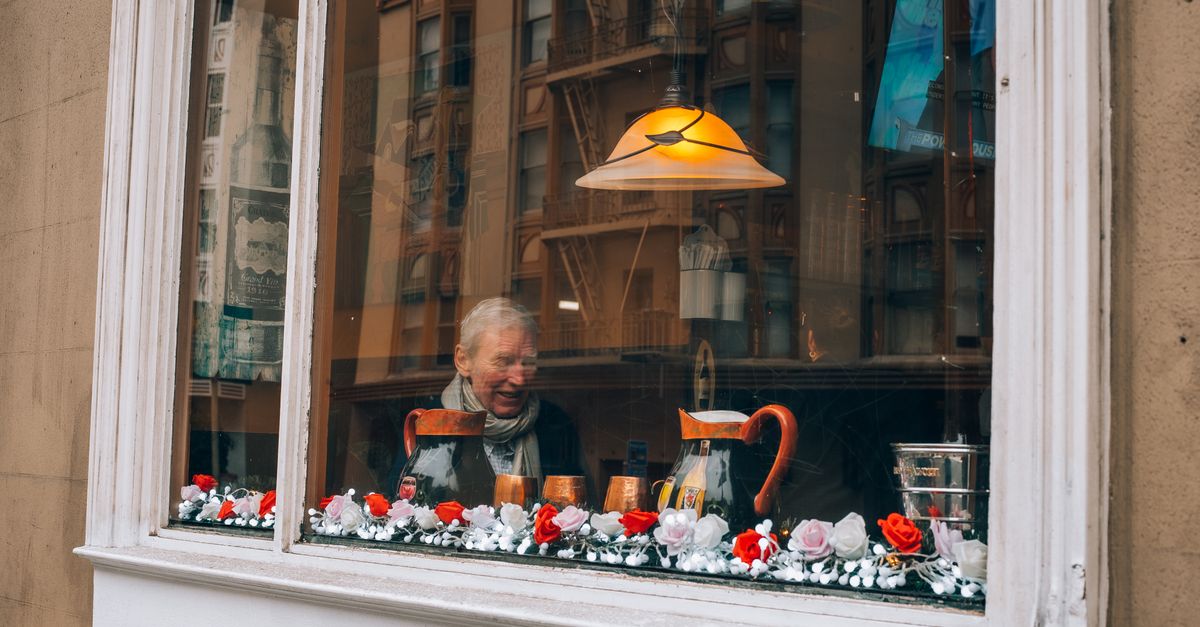
Would I Do the Slow Travel Trend Again?
Yes. Immediately. But differently.
Next time I'd give myself a little more structure — one anchor activity per week, a class or a meetup — so the solitude doesn't curdle into isolation. I'd learn more of the language before arriving. And I'd stop treating "doing nothing" as a personal failure.
Here's my challenge to you: on your next trip, cut your destination list in half and double your time in one place. Skip one famous sight. Eat where the locals eat. Sit somewhere with no agenda and just... be there.
The slow travel trend isn't really about travel at all. It's about re-learning how to pay attention — to a city, to strangers, and honestly, to yourself. That's a skill you can't cram into a seven-day sprint, no matter how many pins you drop on a map.
So go ahead. Slow down. Your itinerary will survive without you.