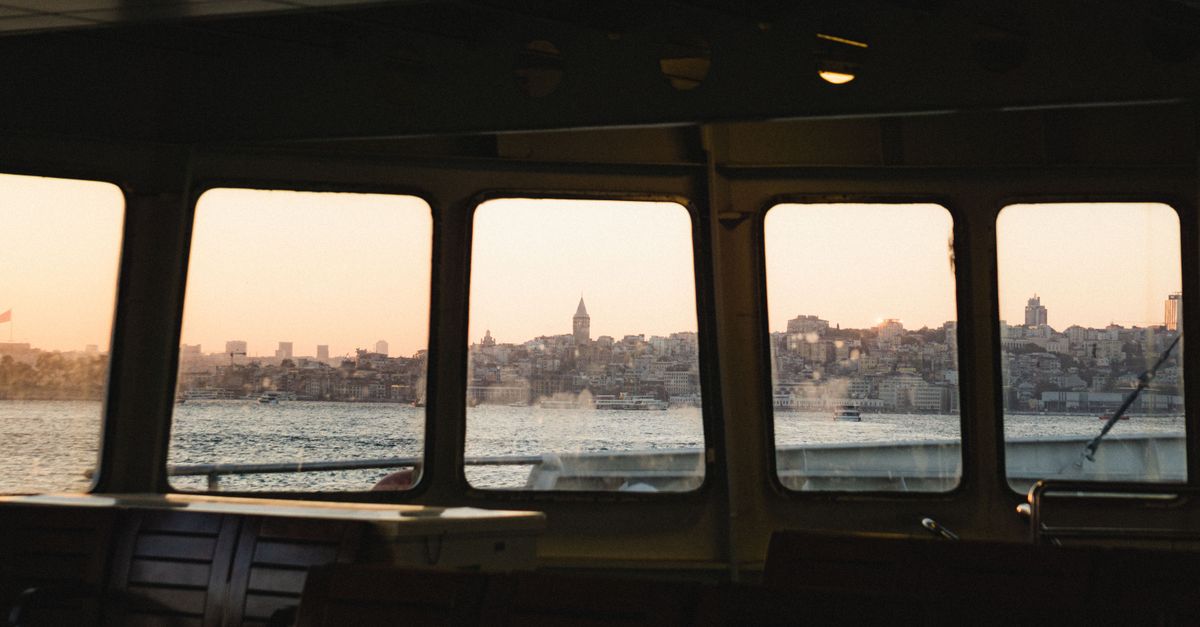
Let me tell you something about those dreamy Japan travel reels you keep saving on Instagram. The ones with the cherry blossoms, the neon Shibuya crossings, the little old man flipping tamagoyaki in a 6-seat izakaya. You watch them, you sigh, you close the app, and you tell yourself the same lie I used to tell myself: Japan is for rich people.
I'm here to call bull on that.
Last spring, I flew to Tokyo and spent eleven days in Japan for under $1,000 — flights, trains, food, the whole thing. Not $1,000 plus a mysterious extra $2,000 I'm conveniently not mentioning. Not "under $1,000 if you sleep in a capsule and eat only convenience store onigiri" (though honestly, those onigiri are elite). I mean a real trip. Temples, sushi, bullet trains, the works.
And no, I don't have a secret rich uncle in Osaka. Here's exactly how I did it.
The Flight Was the Boss Fight — So I Fought Dirty
Flights are where most people's Japan dreams die. A round-trip from most U.S. cities runs $900–$1,400 if you book casually. That alone would blow my budget.
So I didn't book casually. I treated that flight like a part-time job.
Here's what most people miss: the cheapest Japan flights almost never show up on Google Flights first. I set fare alerts on Skyscanner, Google Flights, and Scott's Cheap Flights (now Going) about five months out. Then I waited. And waited. And got annoyingly patient about it.
The magic window? February and late September — shoulder season, right before and after peak chaos. I snagged a round-trip from the East Coast to Tokyo for $480 on a Chinese carrier with a layover in Shanghai. Was the layover long? Yes. Did I care? Absolutely not. I packed a book.
A few rules I live by now:
- Be flexible on dates, not destinations. Shift your trip by two days and save $200.
- Layovers are your friend. A 9-hour stopover isn't a punishment — it's a free mini-trip.
- Book 3–5 months out, not 3 weeks.

Sleeping for $18 a Night Without Losing Your Dignity
Let's be honest — accommodation is where budgets either survive or get slaughtered. A basic Tokyo hotel runs $120–$200 a night. Do that for eleven nights and you've spent more than my entire trip.
I stayed almost exclusively in hostels and guesthouses, and I'm not talking about sketchy bunk beds next to a snoring stranger (okay, sometimes that). Japanese hostels are a different species. Spotless, quiet, often with free tea, and designed by people who actually respect sleep.
My nightly average? About $18.
The gems:
- Book via Hostelworld and Booking.com but check the hostel's own site too — sometimes it's cheaper direct.
- Stay in Osaka or Fukuoka, not just Tokyo. I found a private room in Osaka for $26. In Tokyo, that same money gets you a bunk.
- Try a temple stay (shukubo) for one night. Mine was $35 and included dinner, morning prayers, and a view that made me emotional.
Eating Like a Local King on $15 a Day
Here's the secret nobody tells you: Japan is one of the cheapest countries in the developed world to eat well. The expensive sushi you see on YouTube? That's for tourists. Locals eat spectacularly for pocket change.
My daily food budget hovered around $15. Some days less.
What that bought me:
- Convenience store meals. 7-Eleven, Lawson, and FamilyMart are not sad. The egg sandwiches, the onigiri, the hot snacks — I'm still thinking about a Lawson fried chicken I ate on a bench in Kyoto.
- Standing soba bars. A bowl of fresh soba for $4. Slurp it standing up like a salaryman. It's a whole vibe.
- Gyudon chains. Yoshinoya and Sukiya: beef bowls for $5–$6. Filling, fast, delicious.
- Depachika basements. Department store food halls sell discounted bento boxes after 7 p.m. I got a $12 tray of sushi for $5 at closing time.
Getting Around Without Burning Your Wallet
The JR Pass is famous, but it's not always the move. For my route (Tokyo → Kyoto → Osaka → Fukuoka), the math didn't work out — a 7-day JR Pass was around $210, and my point-to-point tickets came to less.
Here's what I did instead:
- Overnight buses between cities: $25–$40. You sleep, you save a hostel night. Win-win.
- Local trains and subways with a rechargeable IC card (Suica or ICOCA). Tap in, tap out, no stress.
- Walked. A lot. Japan's cities are endlessly walkable, and the best stuff — the tiny shrines, the alley ramen shops — never shows up on a map anyway.

The Stuff I Refused to Skip (and What It Cost)
People assume budget travel means missing everything. Let me prove that wrong.
- Fushimi Inari Shrine: Free. All 10,000 torii gates. Free.
- Senso-ji Temple, Tokyo: Free.
- Kyoto's Arashiyama Bamboo Grove: Free.
- TeamLab digital art museum: ~$25. Worth it.
- A random neighborhood onsen: $5. Best $5 of my life.
So, Can You Actually Do This?
Total damage: flights $480 + hostels $198 + food $165 + transport $90 + attractions $60 = $993.
Under a thousand. Real trip. Real Japan.
I won't pretend it was effortless — I researched, I waited, I made peace with layovers and bunk beds. But here's the truth I want to leave you with: the biggest barrier to Japan isn't money. It's the story you've told yourself that it's out of reach.
So here's my challenge for you. Open a fare alert tonight. Pick a shoulder-season month. Start a little "Japan jar" and drop in $20 a week. Twelve months from now, you could be slurping soba in a Tokyo alley wondering why you waited so long.
Stop saving those reels. Go make your own.
What's the one place you've always assumed was too expensive? Tell me in the comments — I'll help you break down the real numbers.