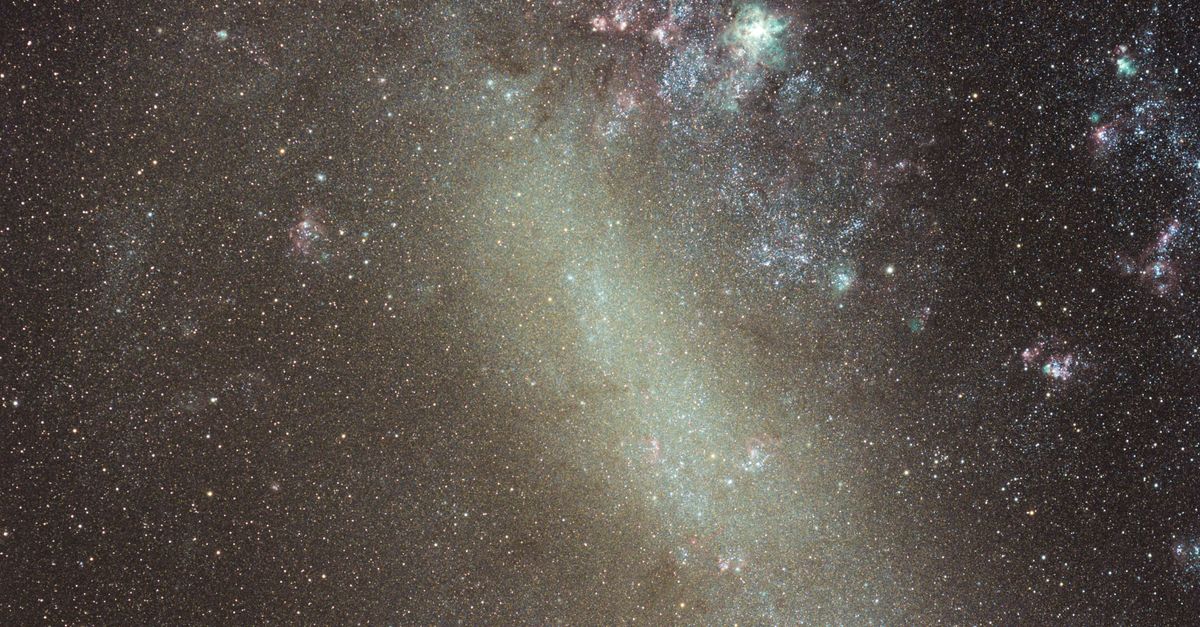
A Hubble Space Telescope survey called TEMPOS has found that stellar winds are weaker in galaxies with low metallicity, Open Access Government reports. The finding concerns galaxies that contain comparatively small amounts of elements heavier than helium.
According to Open Access Government, the survey results point to a link between a galaxy's metal content and the strength of the winds driven by its stars. In low-metallicity environments, those winds appear less powerful than in galaxies with higher metal content.
The report was published by Open Access Government on 23 September 2026.
Stellar winds matter because they carry material and energy away from stars and into the surrounding galaxy. How strongly they blow can shape how a galaxy evolves over time, including how its gas is distributed and how future generations of stars form.
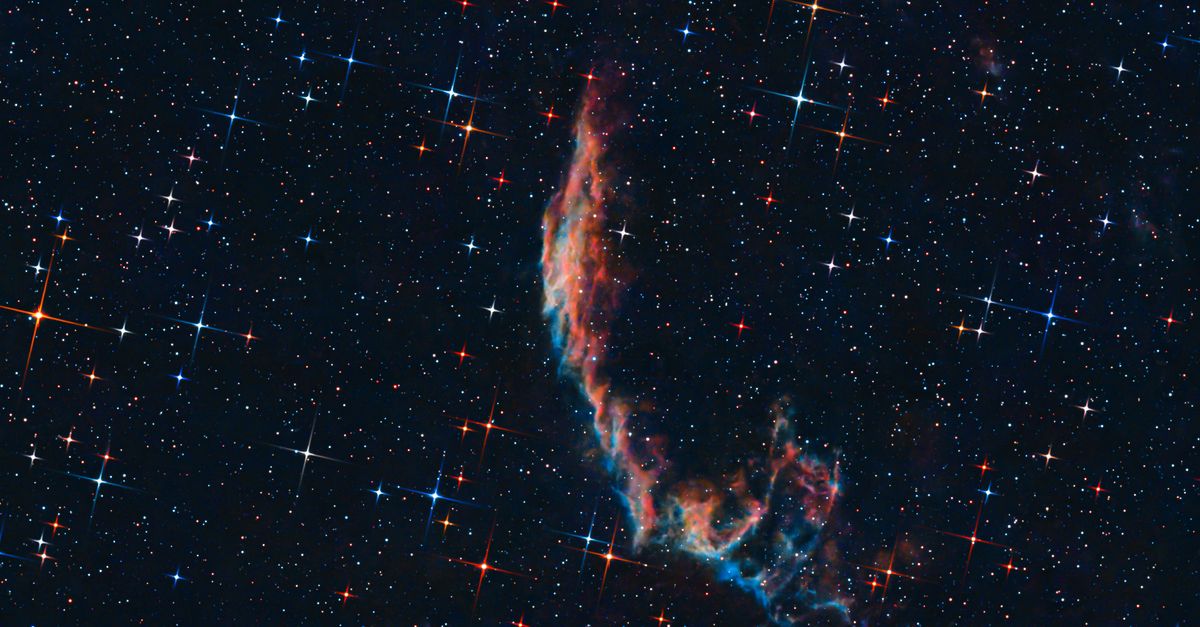
Metallicity is a measure of how much of a galaxy's material consists of elements heavier than helium. Because heavier elements help drive the winds that stream off stars, galaxies with less of this material offer a natural test of how wind strength changes with composition. The TEMPOS survey used Hubble observations to examine that question across such galaxies, according to Open Access Government.
The headline finding is that the winds are weak in these settings, which the outlet frames as a notable result from the survey.
Further analysis of the TEMPOS data will show how widely the pattern holds and what it means for models of how low-metallicity galaxies grow and lose gas.



