
I still remember the exact moment I realized I'd been doing Europe all wrong. I was sitting on a bench in Ghent, staring at a €14 sandwich and a €9 coffee, mentally calculating how many days I had left before my bank account staged a full rebellion. Three weeks into a two-month trip, I'd blown through nearly half my budget. The culprit wasn't reckless partying or fancy hotels — it was trains. I'd booked everything last-minute, paid full fare on high-speed routes, and basically treated my rail pass like a magic wand that didn't need planning.
Then a British backpacker sat down next to me, pulled out a battered notebook, and casually mentioned she'd been traveling for six weeks at under $50 a day — trains included. I thought she was lying. She wasn't. She just understood the system in a way I didn't.
That conversation rewired how I travel. Here's everything I learned.

The Brutal Truth About Why Your Rail Pass Is Bleeding You Dry
Let's be honest — the romanticized version of train travel in Europe is a lie sold to you by Instagram reels set to lo-fi beats. The reality is that flexible Eurail passes are often terrible value for casual travelers. I've watched people pay €400+ for a Global Pass and then discover that seat reservations on routes like Paris to Barcelona cost an extra €20-35 per leg. That's not savings. That's a subscription to financial regret.
Here's what most people miss: point-to-point tickets, booked in advance, beat rail passes on most routes — often by a landslide. A Barcelona-to-Madrid ticket on Renfe, booked three weeks out, can cost as little as €25. The same journey on a pass? You're still paying reservation fees and burning a travel day.
The exception is if you're doing a chaotic, spontaneous multi-country sprint. But let's be real — if you're reading this, you're probably not that person. You want cheap, reliable, and repeatable. So do I.
My rule of thumb: if you're doing more than 10 long-distance legs across 4+ countries in under a month, a pass might win. Otherwise, book individual tickets early and watch your budget breathe.
The Booking Window Nobody Talks About (And Why It's Everything)
Airlines taught us that booking early saves money. Trains are the same, but the savings are steeper and the window is more predictable.
Across most European rail operators, tickets open for sale 90 to 120 days before departure. The cheapest "Prem" or "Super Economy" fares sell out first — sometimes within days. I've snagged Milan to Rome for €19.90 by booking the day tickets released. Two weeks later, that same route was €80.
Here's my actual system:
- Set calendar reminders for 4 months before your trip for each major route.
- Book long-haul legs first (anything over 3 hours) — that's where the money is.
- Leave short regional hops flexible — those prices barely move.
- Use Trainline or Omio to compare, but always check the operator's own site (Renfe, SNCF, Trenitalia, Deutsche Bahn) before buying — sometimes it's cheaper direct.

One more thing: night trains are making a comeback, and they're a budget cheat code. You pay for transport and accommodation in one shot. Nightjet routes across Austria, Italy, and Germany start around €29 for a couchette. That's a bed and a border crossing for less than a hostel.
Sleeping, Eating, and Existing on the Cheap Between Stations
Trains are only half the equation. The other half is not torching your savings the second you step onto the platform.
Accommodation: Hostels in Western Europe run €25-40. In the Balkans, Poland, or Portugal, you can find decent private rooms for €20-30. I've found that booking Sunday through Thursday drops prices noticeably — weekend rates in cities like Amsterdam or Copenhagen are brutal.
Food: Supermarket lunches. I know, it sounds sad. It isn't. A baguette, cheese, fruit, and a bottle of water in France costs about €5 and tastes better than most €18 tourist-trap meals. I ate like this for two months and never once felt deprived.
The $50 breakdown that actually works:
- Hostel dorm: $28
- Groceries + one cheap eat: $13
- Train ticket (averaged across advance bookings): $9
- Total: $50
The Routes Where This Actually Works Best
Some corridors are goldmines for budget rail travel. Others will eat you alive.
Cheap and glorious:
- Italy (Trenitalia regional trains are absurdly affordable)
- Poland, Czechia, Hungary (€10-15 between major cities)
- Spain (Renfe's advance fares are unbeatable)
- Germany's regional Länder tickets (€25 for up to 5 people on unlimited regional trains in one state)
- Switzerland (beautiful, but you'll cry)
- UK (book 12 weeks out or don't bother)
- Scandinavia (gorgeous, brutal on the wallet)
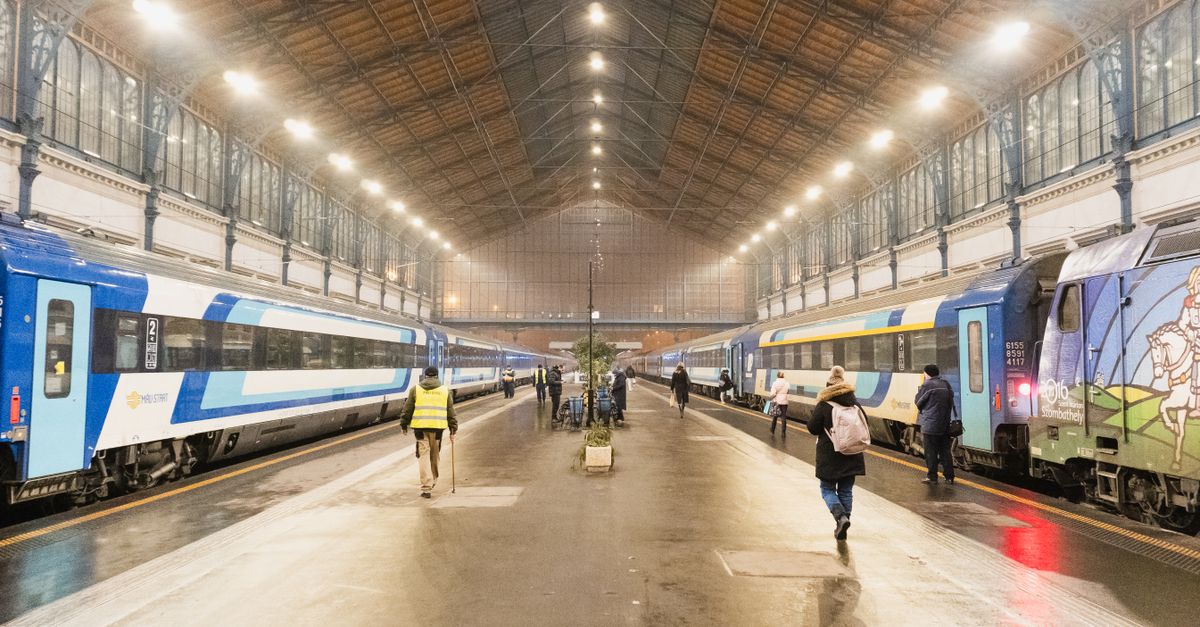
If you're building a route, go east and south. Start in Berlin, drift through Prague, Vienna, Budapest, then down into the Balkans. Your money goes twice as far and the trains are still perfectly comfortable.
The Mindset Shift That Changes Everything
Here's the thing nobody tells you: budget travel isn't about deprivation. It's about intention.
I used to think spending less meant missing out. Now I know it means staying longer, going deeper, and actually feeling a place instead of racing through it. The €9 coffee in Ghent? I don't even remember what it tasted like. The €2 espresso I had three days later in a tiny Bologna bar, standing shoulder-to-shoulder with locals — that one I still think about.
Europe by train for under $50 a day isn't a hack. It's a discipline. Book early. Eat local. Sleep smart. Say no to the tourist tax on your soul.
So here's my challenge: pick one route, set a booking reminder for 90 days out, and see what happens. Then come tell me I was wrong.
I'll wait.


