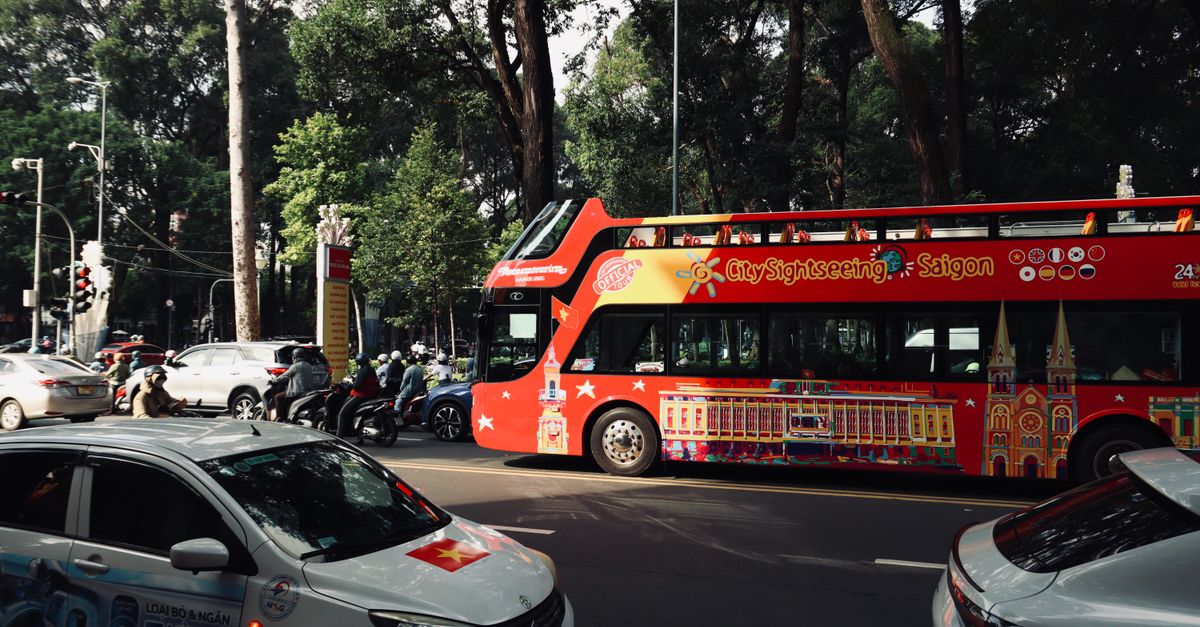
I remember the exact moment I nearly quit my job to move to a tiny island in Thailand. It wasn't sunset or a beach. It was a morning market. A woman selling mango sticky rice handed me a piece wrapped in banana leaf, smiled, and said something I didn't understand. But her eyes said everything: You're welcome here. Stay.
I didn't stay. But that moment cracked something open in me. It made me realize that the real travel experience isn't about checking off landmarks—it's about Ho Tourism. No, not "Ho" like you're thinking. Ho Tourism is a Vietnamese term of endearment, roughly translating to "soul" or "spirit" travel. It's tourism that feeds your inner world, not your Instagram grid.
Let's be honest: most travel advice is garbage. "Visit these 10 spots!" "Pack these 3 shoes!" Nobody talks about the fact that travel can leave you emptier than before if you don't approach it with intention. Here's what most people miss: Ho Tourism is about presence over productivity. It's about letting a place change you, not just entertain you.
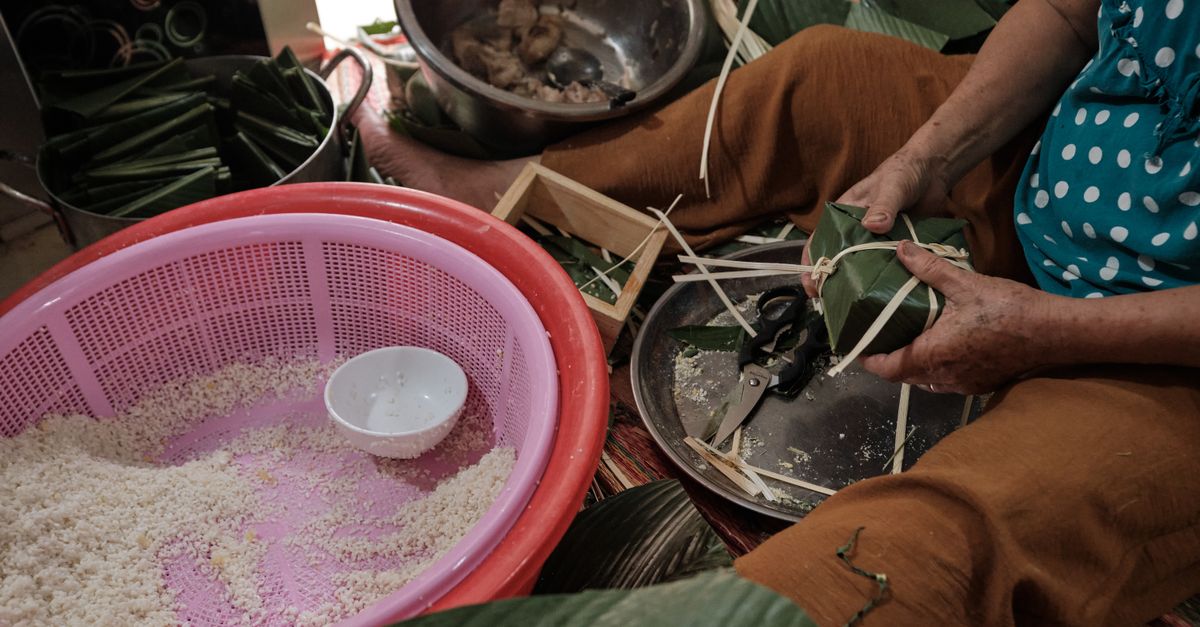
The Silent Epidemic of Soulless Travel
I've been guilty of it. You probably have too. You land in a new city, whip out your phone, and start racing through a list of "must-see" spots. You snap photos, check in, then rush to the next. By day three, you're exhausted. By day five, you're craving home. And when someone asks how your trip was, you say, "Great," but something feels hollow.
This is the silent epidemic of soulless travel. We've turned exploration into consumption. We consume sights, food, and experiences like they're products on a shelf. But culture isn't a product. It's a living, breathing conversation between you and the world.
Here's the truth: Ho Tourism flips the script. Instead of asking "What can I see?", you ask "How can I connect?" Instead of "How many countries can I hit?", you ask "Which place will hit me back?"
I once spent a whole afternoon just sitting on a curb in Hoi An, watching an old man repair bicycle tires. He didn't speak English. I didn't speak Vietnamese. But we shared three hours of silence and occasional smiles. That afternoon gave me more than any temple tour ever did.
Why "Slow" Is the Secret Sauce You're Ignoring
Let me tell you about a friend—let's call her Sarah. She's a travel blogger with 100K followers. She visits 20 countries a year. Sounds glamorous, right? But one night, over cheap beer, she admitted she couldn't remember the name of the last five cities she visited. She was collecting passport stamps, not memories.
Slow travel isn't new. But Ho Tourism takes it deeper. It's not just about staying longer—it's about arriving.
Here's what I've found works:
- Choose one neighborhood, not a whole city. Rent a room for a week. Learn the local coffee shop's name. Wave at the same street vendor every morning. Let them wave back.
- Say yes to the boring stuff. Go grocery shopping. Watch TV with your hosts. Get lost on purpose.
- Leave your phone in your bag for half a day. I know, terrifying. But the discomfort is where the magic lives.

The One Question That Will Transform Your Next Trip
Here's the hidden secret most travel guides won't tell you: Every destination has a soul, but you have to be quiet enough to hear it.
I've developed a simple practice before every trip. I ask myself one question: What do I want to feel, not just see?
- If I want to feel awe, I skip the crowded viewpoints and find a sunrise spot alone.
- If I want to feel belonging, I book a homestay, not a hotel.
- If I want to feel peace, I find a garden or a library, not a club.
Let me give you a practical example. When I visited Kyoto, everyone said: "See the bamboo grove. See the golden temple." I did both. They were beautiful. But the moment that changed me was sitting in a tiny tea house, watching a 70-year-old woman perform a tea ceremony for three hours. She didn't rush. She didn't explain. She just moved with such quiet grace that I felt my own breathing slow down. That was Ho Tourism. Not a photo op. A transmission of spirit.
How to Build a Ho Tourism Itinerary (Without Overthinking It)
You don't need a PhD in cultural studies to do this. You just need to shift your priorities. Here's a simple framework I use:
1. Start with one "anchor experience" Pick one thing you must do that feels meaningful, not just popular. For me, it's often a cooking class with a local family or a walking tour with a retired teacher. No influencers. No checklists.
2. Leave 50% of your schedule empty I'm serious. Block out entire afternoons for "nothing." That's when spontaneous magic happens—a stranger invites you to dinner, a street musician plays a song that makes you cry, you stumble into a festival you never knew existed.
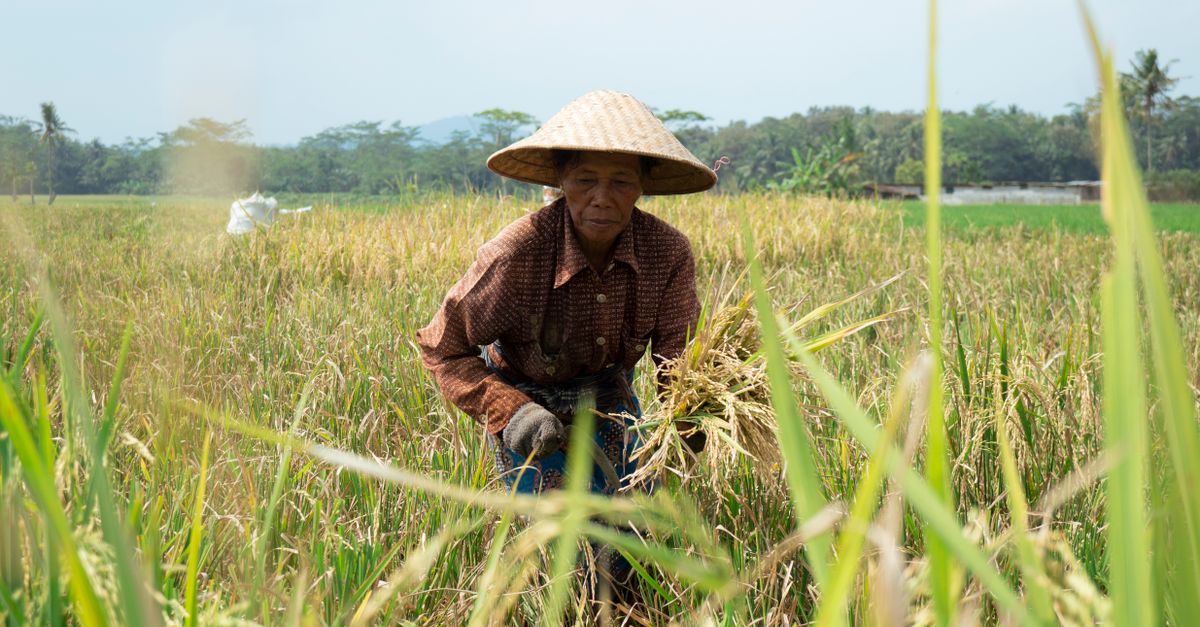
3. Talk to elders This is my favorite hack. Old people have zero agenda. They'll tell you stories no guidebook includes. In a small village in Cambodia, a grandmother showed me how to harvest rice. She was 86. She laughed at my clumsy hands. I learned more about Cambodian culture in that hour than in a week of museum visits.
4. Journal every evening Not for social media. For yourself. Write down one thing that surprised you, one thing you're grateful for, and one thing you learned about yourself. Ho Tourism is as much about inner discovery as outer exploration.
5. Embrace discomfort Miss a bus. Eat something you can't identify. Get lost in a neighborhood where no one speaks English. The discomfort is the price of entry to real connection. And it's worth every awkward moment.
The Truth No One Tells You About "Authentic" Travel
Let's get real for a second. The word "authentic" has been beaten to death by travel influencers. Everyone wants "authentic experiences," but nobody wants to pay for them or earn them. Authenticity isn't a product you buy—it's a relationship you build.
I've found that Ho Tourism works best when you stop performing. Stop trying to look like a seasoned traveler. Stop pretending you know everything. Stop curating your experience for an audience that isn't even there.
Here's a brutal truth: Most "cultural experiences" sold to tourists are theater. The "traditional dance" show? Rehearsed for tourists. The "local village tour"? Often a staged version of daily life. And that's okay—as long as you know what you're paying for.
But real Ho Tourism? That happens in the cracks. The unscheduled moments. The conversations that don't make it onto your Instagram story. The morning you spend helping a shopkeeper rearrange her shelves, just because you showed up early and she needed a hand.
That's the hidden treasure. Not the famous temple. Not the Instagram spot. The unexpected intimacy of two humans sharing space without an agenda.
Why You'll Never Be the Same (And That's the Point)
Here's what I want you to take away: Ho Tourism isn't a vacation style. It's a mindset. And once you adopt it, you'll never travel the same way again.
I've noticed that people who practice Ho Tourism come back different. They're quieter. More patient. They've stopped chasing and started receiving. They've realized that the best souvenirs aren't things—they're shifts in perspective.
Think about it: You can buy a thousand magnets and keychains. But you can't buy the feeling of sitting on a rooftop in Marrakech at sunset, sharing mint tea with a stranger who becomes a friend. You can't buy the moment a child in a rural village grabs your hand and pulls you into a game of soccer, laughing at your terrible skills.
That's Ho Tourism. It's the soul of travel. And it's available to anyone who's willing to slow down, shut up, and pay attention.
So here's my challenge to you: On your next trip, don't ask "What should I see?" Ask "Who can I meet?" Ask "How can I be changed?" Then sit with that question. Let it guide you. And when you come home, you won't just have photos. You'll have a story that actually matters.
Because at the end of the day, the places that change us aren't the ones we rush through. They're the ones that stop us in our tracks and whisper, Stay a little longer. There's more here than you know.


