
Let me tell you something about markets — I’ve been to dozens of them across Asia, from the chaotic fish stalls of Tokyo’s Tsukiji to the spice-scented alleys of Marrakech. But nothing, and I mean nothing, prepared me for Ho Central Market.
You’ve probably seen those Instagram posts — the ones with perfect symmetry, neon signs, and locals in conical hats selling produce that looks like it was painted by a Renaissance artist. But here’s what most people miss: Ho Central Market isn’t just a place to buy food. It’s a living, breathing time capsule.
I spent three days there last month, and I’m still processing what I witnessed. Let’s dive into why this market is the most underrated cultural experience in Southeast Asia right now.
The 7 a.m. Chaos That Changed My Perspective
I’ll be honest — when I first arrived at Ho Central Market at sunrise, I felt overwhelmed. The noise was a symphony of bargaining, laughter, and the occasional scooter horn. The smell? A mix of fresh basil, sizzling pork, and something I still can’t identify (maybe dried squid?).
But here’s the truth: the chaos is the point.

Most tourists make the mistake of visiting between 10 a.m. and 2 p.m. — when the market is already winding down. If you want the real experience, you need to be there when the first trucks arrive. I’m talking 5:30 a.m. early. Why? Because that’s when the magic happens.
I watched a 70-year-old woman named Bà Lan — who’s been selling herbs here since 1975 — arrange her mint leaves with the precision of a surgeon. She told me (through a translator) that her mother taught her the exact angle to stack the leaves so they stay fresh for 12 hours. Twelve hours. That’s not just a job — that’s an art form.
Here’s what I learned from that morning:
- The best produce goes to regulars first — tourists get leftovers
- Cash is still king — don’t expect card readers
- Learn to say “xin chào” — it opens doors (and discounts)
- Bring your own bag — plastic bags are charged extra now
The Hidden Section Most Guidebooks Won’t Tell You About
Let’s talk about the “back alley” section — the part of Ho Central Market that doesn’t appear on any map.
You know those scenes in movies where the protagonist follows a mysterious stranger through a narrow corridor and ends up in a secret room? That’s exactly what happened to me. A local vendor, noticing my genuine curiosity, gestured for me to follow her through a doorway hidden behind hanging dried fish.
What I found shocked me: a wet market within the wet market.
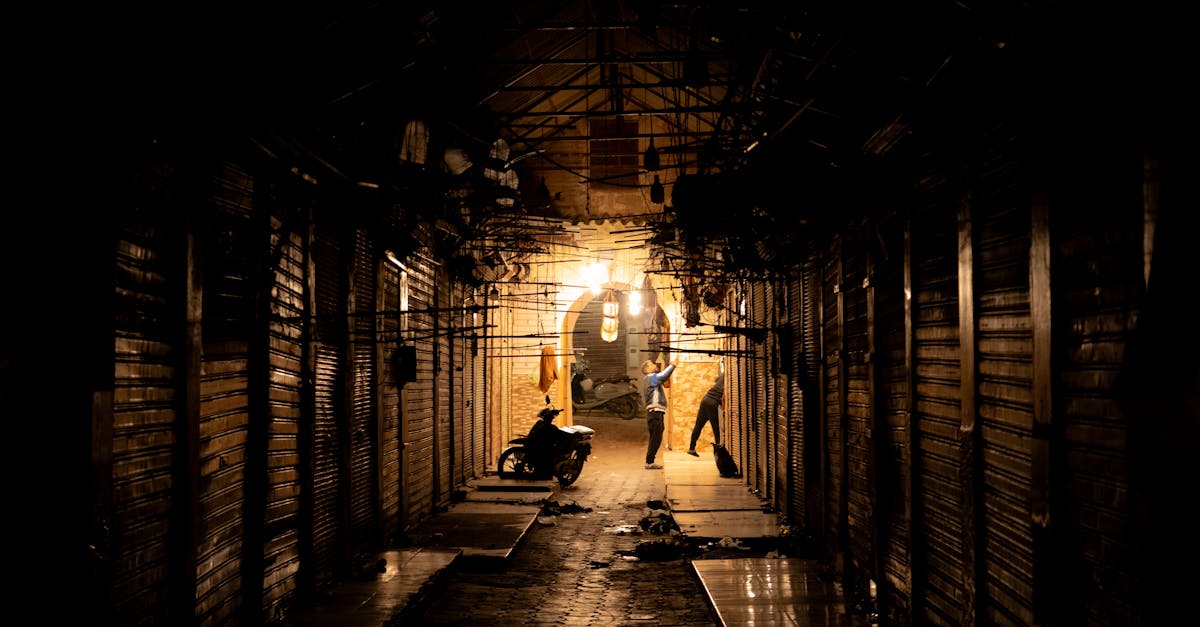
This is where the real bargaining happens. The front-facing stalls are for tourists and casual shoppers. But back here? This is where restaurant owners and hotel chefs negotiate prices that would make your head spin. I saw a single kilo of gac fruit (a superfood you’ve probably never heard of) go for $40 — and the buyer didn’t even blink.
Why is this section hidden? Simple: the vendors don’t want to deal with tourists who take photos without buying. It’s a working area, not a photo op. But if you show respect — and I mean real respect — they might let you in.
Pro tip: Don’t ask to take photos of the goods first. Buy something small, like a bag of dried shrimp (costs about $2), and then ask. The difference in treatment is night and day.
The 3 Things You Absolutely Must Eat Here (Or You’ve Wasted Your Trip)
I’m going to be brutally honest with you: most food blogs lie about what’s “must-eat” in Ho Central Market. They’ll tell you to try phở or bánh mì — which, sure, are delicious, but you can get those anywhere in Vietnam.
Here are the three hidden gems that will blow your mind:
1. Bánh tráng trộn (mixed rice paper) This isn’t the crispy rice paper you’re thinking of. This is a salad-like dish made from soft rice paper strips, tossed with dried shrimp, quail eggs, green mango, and a chili-lime dressing. I watched a teenager make it in 90 seconds flat. The texture is addictive — chewy, crunchy, sour, and spicy all at once.
2. Chè (Vietnamese sweet soup) — but only from the third stall on the left There are 12 chè stalls in Ho Central Market. The third one from the left (look for the woman with the gold tooth) has been making the same family recipe since 1988. Her version uses pandan jelly, coconut cream, and jackfruit in proportions that shouldn’t work but absolutely do. I went back three times.
3. Cá kho tộ (caramelized fish in clay pot) This is the dish that will haunt your dreams. The fish is cooked low and slow in a clay pot with coconut juice, caramelized sugar, and black pepper. The result? Meat so tender it falls apart with a fork, and a sauce so rich you’ll want to drink it. Ask for the “family portion” — it’s not on the menu, but they’ll make it if you’re polite.

Why This Market Feels More Authentic Than Bangkok’s Chatuchak
Let’s be real for a second: Chatuchak in Bangkok is a tourist trap disguised as a market. Sure, it’s huge and impressive, but half the stalls sell mass-produced souvenirs. Ho Central Market? It’s the opposite.
I’ve found that authenticity in markets comes from necessity, not curation. Ho Central Market exists because people in the surrounding districts actually need to buy fresh ingredients every day. The vendors aren’t performing for Instagram — they’re trying to feed families.
Here’s what I noticed that most tourists miss:
- The pricing system is based on relationships, not supply and demand
- Vendors remember your face — if you come back twice, you’re no longer a stranger
- The best conversations happen between 6-8 a.m. — after that, everyone’s too busy
- There’s a subtle hierarchy — older vendors get the prime spots, and younger ones earn their place over years
The Digital Age Is Changing Everything (For Better and Worse)
I’ll be the first to admit: I’m part of the problem. I showed up with my phone, taking photos, posting stories. But here’s the uncomfortable truth — social media is both saving and destroying Ho Central Market.
On one hand, viral posts about the market have brought in new customers, which helps vendors who struggled during COVID. On the other hand, it’s creating “Instagram zones” where vendors stage their displays for photos rather than function.
I spoke to a young vendor named Minh who runs a stall selling dried mushrooms. He told me that his father — who started the stall in 1995 — now complains that customers spend more time photographing the mushrooms than buying them. “They take 50 photos, buy one bag, and leave,” Minh said. “My father doesn’t understand it.”
Here’s my opinion: the market will survive, but it will change. The question is whether that change preserves the soul or kills it. Already, I noticed more English signs and QR code payment options than I expected. Some stalls have even started selling “photo packages” — you pay 50,000 VND ($2) to take photos without buying anything.
Is that authentic? No. But is it better than the alternative — which is the market dying because nobody visits? I don’t have a clear answer, and neither do the locals.
What Most People Miss: The Unspoken Rules of Respect
I saved the most important section for last. Ho Central Market has rules that aren’t written anywhere, and breaking them will mark you as a clueless tourist.
Here are the unspoken rules I learned the hard way:
1. Don’t touch the produce without asking In Western markets, you can pick up an apple, inspect it, and put it back. Here, that’s considered rude. Point to what you want and let the vendor handle it. They know which pieces are ripe, and your grubby fingers damage the goods.
2. Bargain with respect, not aggression Bargaining is expected, but there’s a fine line between negotiating and insulting. Start at 70% of the asking price, not 50%. If the vendor says no, smile and accept it. I watched a woman get yelled at for offering 30% — she was asked to leave.
3. Never take photos of people without permission This should be obvious, but I saw at least five tourists get called out for snapping photos of vendors without asking. Hold up your phone, point to it, and raise your eyebrows — that’s the universal sign for “can I take a picture?” Most will nod yes, especially if you’ve already bought something.
4. Eat with your hands if the vendor does Some dishes are meant to be eaten with hands, especially in the wet market section. Watch what the locals do and follow their lead. Using chopsticks for everything marks you as an outsider.
5. Leave your shoes at the entrance of any food stall that has a mat This is a sign of respect for the cooking area. I forgot once and got a stern look from an elderly woman. Never again.
The Final Truth: This Market Will Change You
Here’s what I want you to take away from this: Ho Central Market isn’t a tourist attraction — it’s a portal into a way of life that’s disappearing.
In 10 years, will this market still exist in its current form? I doubt it. The younger generation is moving to cities, working in tech, ordering groceries online. The vendors I spoke to — most of them over 50 — told me their children don’t want to take over the stalls.
So if you’re planning a trip to Vietnam, make Ho Central Market a priority. Not for the photos, not for the food (though both are incredible), but for the experience of standing in a place where time moves differently.
I left that market with more than just souvenirs. I left with a deeper understanding of what it means to live in a community where trust is currency, relationships matter more than profit, and a single conversation with a stranger can change your perspective.
That’s the experience you can’t buy online. That’s the experience that makes travel worth it.
Go early. Be respectful. And for the love of all things holy, try the caramelized fish.



