The global economy is currently grappling with a series of challenges, primarily driven by rising inflation rates and ongoing supply chain disruptions. As countries strive to stabilize their economies, experts are forecasting a slow recovery in the face of these persistent hurdles. In this article, we will explore these economic trends, their implications for various sectors, and what the future may hold for international markets.
Understanding these dynamics is crucial for businesses, policymakers, and consumers alike as they prepare for the shifting landscape of global commerce.
- Inflation rates are on the rise globally, impacting purchasing power.
- Supply chain issues continue to disrupt markets and production.
- Experts predict a slow recovery timeline for the global economy.
- Countries must adapt strategies to navigate these economic challenges.
What is Driving Global Inflation?
Recent reports indicate that inflation is surging across multiple economies, prompting concerns about its long-term effects. Factors contributing to this inflationary trend include increased consumer demand and supply chain bottlenecks that have emerged post-pandemic. A significant example can be seen in the energy sector, where prices have escalated due to geopolitical tensions and fluctuating oil supplies.
Key Contributors to Inflation
- Post-pandemic demand rebound
- Supply chain disruptions
- Geopolitical tensions affecting energy prices
As these factors intertwine, they create a complex environment for policymakers striving to implement effective measures to control inflation without stifling growth.
Impact of Supply Chain Issues on Recovery
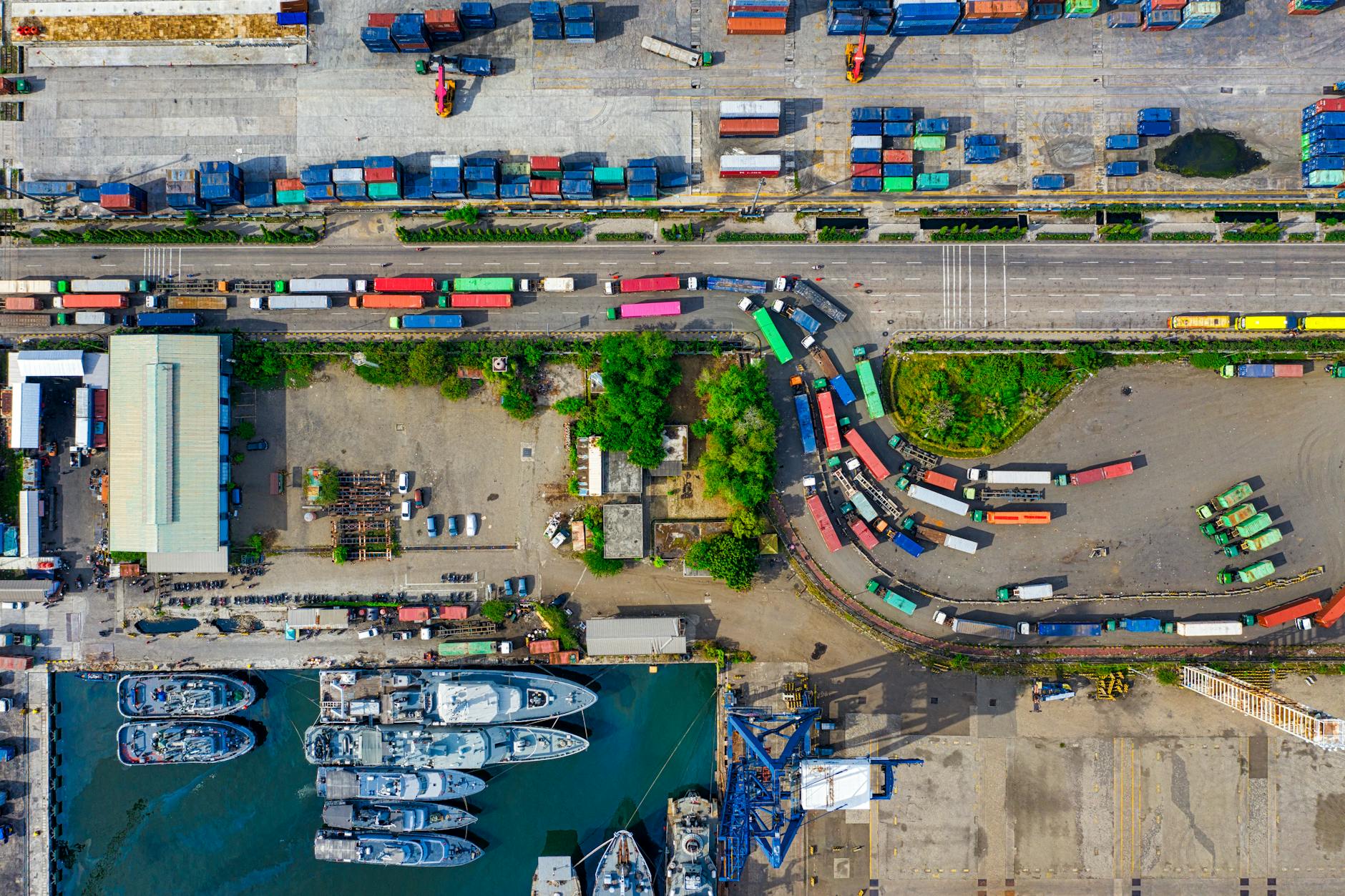
The ongoing supply chain challenges continue to pose significant barriers to economic recovery. Delays in shipping, shortages of raw materials, and increased transportation costs are creating a ripple effect across various industries. For instance, the automotive sector has faced production slowdowns due to semiconductor shortages, which have hampered vehicle manufacturing and sales.
Consequences of Supply Chain Disruptions
- Increased costs for consumers and businesses
- Delayed product availability
- Impact on employment in affected sectors
These disruptions are not only affecting immediate market conditions but also influencing longer-term strategic planning for companies worldwide.
Expert Predictions on Economic Recovery
Looking ahead, experts predict a gradual recovery process influenced by the management of inflation and supply chain logistics. Economic analysts are urging governments and businesses to remain agile in their responses to these evolving conditions. The consensus is that while recovery will occur, it is likely to be slow and uneven across different regions and sectors.
Recovery Strategies
- Investing in local supply chains
- Enhancing technological capabilities
- Implementing fiscal policies to support growth
By focusing on these strategies, countries can better position themselves to navigate the complexities of the current economic landscape.
Global Trends Affecting Local Markets
The interconnected nature of the global economy means that trends in one region can significantly impact local markets worldwide. As nations adapt to rising inflation and supply chain issues, businesses must also consider these global dynamics in their local strategies. For example, the agricultural sector may see price increases due to higher transportation costs, affecting food supply chains directly.
Adapting to Change
- Local businesses should monitor global trends closely.
- Flexibility in operations is essential for adapting to changes.
- Engagement with policymakers can help address local impacts of global trends.
By recognizing and responding to these global influences, businesses can better navigate the challenges posed by economic trends.
Frequently Asked Questions
What factors are contributing to rising inflation?
Rising inflation is primarily driven by increased consumer demand, supply chain disruptions, and geopolitical tensions affecting energy prices.
How are supply chain issues impacting businesses?
Supply chain issues result in increased costs, delays in product availability, and potential job losses in affected sectors, hampering overall business operations.

What do experts predict for economic recovery?
Experts predict a gradual and uneven recovery, emphasizing the importance of adaptive strategies from both governments and businesses to navigate ongoing economic challenges.
How can businesses prepare for economic changes?
Businesses can prepare by investing in local supply chains, enhancing technological capabilities, and engaging with policymakers to address the impacts of global trends.
Conclusion
In summary, the global economy is currently navigating significant challenges due to rising inflation and persistent supply chain issues. As experts forecast a slow recovery, it is essential for countries and businesses to adopt flexible strategies that can adapt to these changing economic conditions. Staying informed and proactive will be crucial in mitigating the impacts of these trends on local and global markets.