
Picture this: It’s 2019, and a star college quarterback is eating cup noodles in his dorm, broke by NCAA rules, while his jersey flies off virtual shelves in a video game. Fast forward to today, that same player could be launching his own digital trading card, signing autographs via blockchain, and funding his entire offseason training through a sponsorship deal he inked as a sophomore. The game has changed. Completely.
What happened in between? A seismic shift in the rules of ownership, monetization, and fan connection. We’ve moved from a rigid, gatekept system to a wide-open, sometimes chaotic, digital frontier. And for today’s athlete, understanding this new playbook isn’t just advantageous—it’s essential for career longevity and financial health.
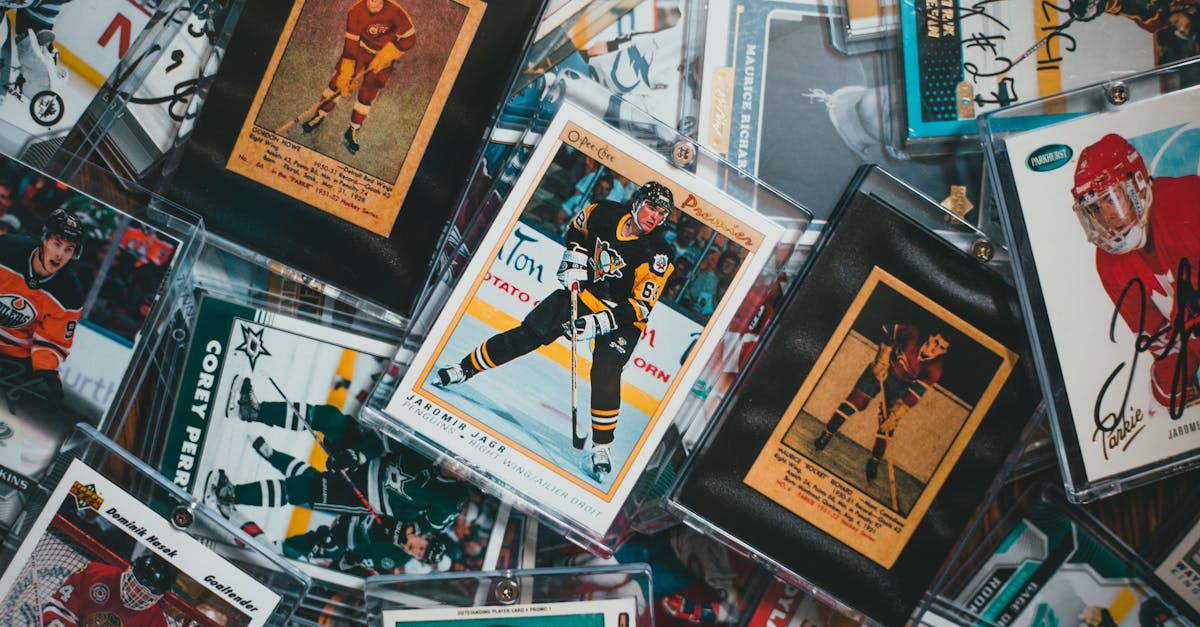
The NIL Revolution: More Than Just Endorsement Checks
Let’s start with the foundation: Name, Image, and Likeness (NIL) rights. This wasn't just a rule change; it was a cultural earthquake. For decades, the NCAA’s amateurism model built a billion-dollar industry on the backs of athletes who couldn’t profit. Now, a college freshman with a viral TikTok dance can sign a local car dealership deal.
But here’s what most people miss: NIL is about brand building, not just quick cash. The smart athletes aren’t just slapping their name on any product. They’re asking, "What do I stand for? What’s my story?" They’re building communities around their personal journey, their style, their values. This foundational brand work is what sets the stage for the next, even more disruptive layer: the digital asset economy.
Enter the Digital Locker Room: NFTs as Fan Engagement 2.0
If NIL gave athletes the keys to their brand, non-fungible tokens (NFTs) gave them the blueprint to build a whole new stadium. I know, I know—NFTs got a bad rap during the speculative frenzy. The headlines were all about cartoon apes and wild price swings. Let’s be honest, a lot of that was noise.
But strip away the hype, and you find the core utility: provable digital ownership and direct-to-fan relationships. An NFT isn’t just a JPEG. It can be a membership pass, a key to exclusive experiences, a piece of digital memorabilia with a verifiable history tied directly to the athlete.
Think about it. Before, an autograph could be forged. A “meet-and-greet” was a chaotic line in a convention hall. Now, an athlete can: Drop 500 digital access passes that grant holders a monthly Zoom Q&A. Issue digital rookie cards that unlock real-world perks, like a signed jersey if you collect the whole set. Create a token-gated community where superfans get first dibs on everything.
The fan gets an authentic, immersive connection. The athlete gets a new revenue stream and, more importantly, a direct line to their most passionate supporters without a middleman taking a massive cut.

The Synergy Play: When NIL Meets the Blockchain
This is where it gets really exciting. The most forward-thinking athletes—and their teams—are no longer seeing NIL and Web3 as separate strategies. They’re weaving them together into a single, powerful personal brand ecosystem.
A college athlete might use their NIL freedom to partner with a local sneaker shop. As part of that deal, they release a limited NFT that acts as a discount card and enters holders into a draft-day giveaway. They’ve just combined a traditional sponsorship with a digital asset that drives foot traffic and builds a digital fan list they own forever.
After turning pro, that athlete’s NFT community could get first access to ticket pre-sales, exclusive merch drops, or even a vote on a minor uniform design element. The athlete-to-fan relationship becomes interactive and layered. The revenue is diversified away from just game checks and big-brand endorsements, which can be fickle.
Navigating the New Risks: Scams, Sustainability, and Scrutiny
It’s not all digital roses, of course. This new frontier is a wild west. The Scam Factor: Bad actors are everywhere, from fake NFT minting sites to dubious "advisors" promising the moon. Due diligence is non-negotiable. Environmental Concerns: The early days of blockchain were energy-intensive. While many newer platforms use far more efficient technology, athletes need to be prepared to answer questions about their choices. Market Volatility: Tying your brand to a highly speculative asset class is risky. A project that feels cutting-edge today could be a ghost town in six months if not built on real utility.
The athletes who will thrive are those who partner with reputable experts, focus on long-term community over short-term cash grabs, and are transparent with their fans. It’s about building a sustainable digital legacy, not just cashing in on a trend.

The Future Playbook: What’s Next for Athlete Ownership?
So, where does this go? We’re already seeing glimpses of the next chapter. Tokenized Real-World Assets: What if an athlete could sell a tiny percentage of their future earnings as an investment opportunity for fans? The regulatory hurdles are massive, but the concept is being explored. Decentralized Autonomous Organizations (DAOs): Imagine a fan club collectively governed by token holders, who pool resources to support an athlete’s charity or even bid on a historic piece of their memorabilia.
- The Fully-Integrated Digital Identity: Your favorite player’s video highlights, stats, and signature moments could all be verifiably owned and traded as digital collectibles, creating a whole new layer of sports history.
The athletes who understand this aren't just players anymore. They’re CEOs of their own media companies, community leaders, and pioneers in a digital economy that’s being built in real-time. The question isn't whether this is the future of sports branding. The question is, which athletes will be brave enough to write the rules as they play the game?


