
Let me tell you something about the moment I realized Korean culture had completely taken over my life. I was standing in my local grocery store in suburban Ohio, holding a jar of gochujang, wearing a BTS hoodie, and listening to BLACKPINK through my earbuds. Twenty years ago, I couldn't have told you what any of those words meant. Now? They're just... Tuesday.
That's the thing about a cultural wave. You don't notice it until you're already swimming in it.
The Hallyu Wave Didn't Crash — It Crept In Like a Perfectly Timed K-Drama Plot Twist
I've found that most people think the Korean culture boom started with "Gangnam Style." Bless their hearts. That 2012 viral moment was more like the confetti cannon at the end of Act One. The real story started way earlier — and it's way more interesting.
Hallyu, or the "Korean Wave," has been building since the late '90s, when Korean dramas and pop music first found devoted audiences across Asia. But here's what most people miss: it didn't stay in Asia. It leapfrogged time zones, languages, and cultural barriers until suddenly your coworker was learning Korean on Duolingo and your niece was doing the "Super Shy" dance in the living room.
The numbers are honestly a little absurd. The Korean Cultural Center reports that interest in Korean language learning has exploded globally, with TOPIK test takers multiplying year over year. Netflix's investment in Korean content turned "Squid Game" into a worldwide phenomenon that had us all debating whether we'd survive the glass bridge. And K-pop groups sell out stadiums in cities most Americans couldn't point to on a map.
But the shift I find most fascinating isn't about entertainment. It's about the kitchen.
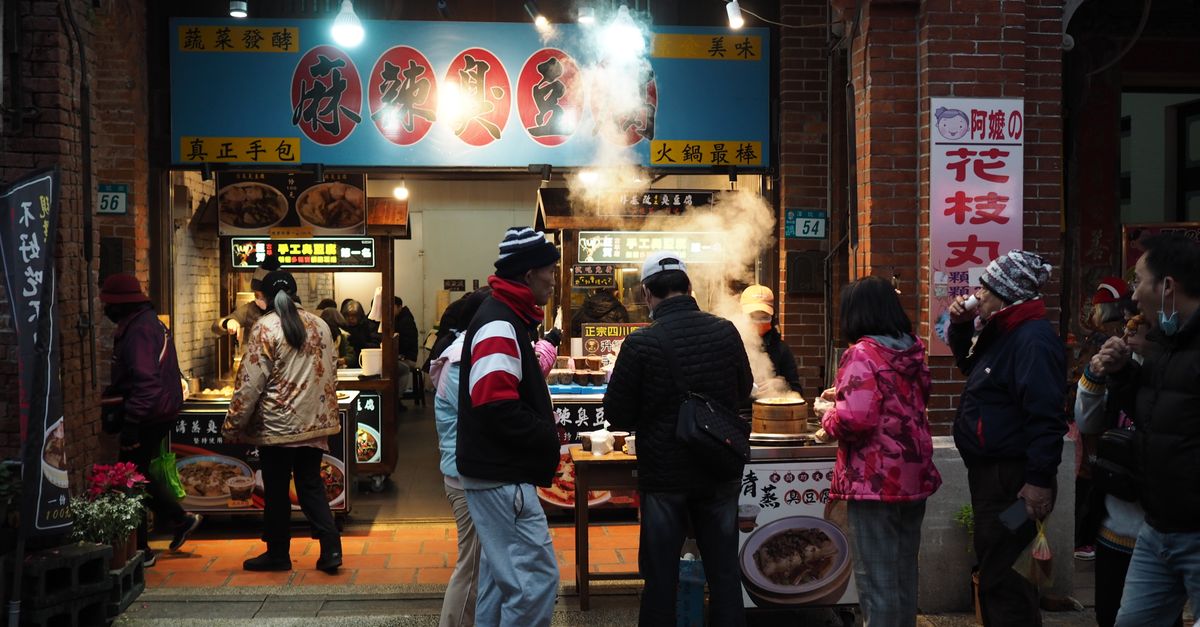
Your Taste Buds Are the Real Gateway Drug
Let's be honest — nobody predicted that fermented cabbage would become a status symbol. But here we are, and I am absolutely here for it.
K-food has quietly become the ultimate cultural bridge. Think about it. You can't hum a K-pop chorus at dinner. You can't reenact a K-drama scene at brunch. But you can order Korean fried chicken, and suddenly you're part of the phenomenon without even trying.
I remember my first real Korean barbecue experience. I walked in expecting a meal. I walked out having participated in a full-on social event — grilling meat at the table, wrapping it in lettuce, passing banchan around like we'd known each other for years. It was dinner as theater, and I was hooked.
Here's what's wild: Korean restaurants have been popping up in cities you'd never expect. Not just LA's Koreatown or NYC's 32nd Street. I'm talking about mid-sized towns in the Midwest, the South, and everywhere in between. Gochujang is now a staple in mainstream grocery stores. Kimchi sits next to sauerkraut. And Trader Joe's has an entire frozen Korean food section that I have personally funded more than I'd like to admit.
The food isn't just food. It's an entry point.
The 3 Things That Made Korean Culture Impossible to Ignore
If you want to understand how a country of about 51 million people managed to shape global lifestyle trends, here's my breakdown:
- The storytelling was undeniable. K-dramas and Korean films don't just entertain — they make you feel. "Parasite" winning Best Picture wasn't a fluke. It was a signal that Korean creators were operating on a level the rest of the world needed to catch up to.
- The fandoms were built different. K-pop fans don't just listen. They organize, they translate, they promote, they show up. The fan culture around groups like BTS and Stray Kids is arguably the most organized grassroots marketing machine on the planet — and it runs on pure passion.
- The lifestyle was aspirational and accessible. Korean skincare routines, fashion, café culture, even study-with-me videos — these weren't locked behind a language barrier. They were visual, shareable, and easy to try at home. A 10-step skincare routine costs less than a concert ticket and delivers results you can actually see.

What Happens When a Trend Becomes a Lifestyle
Here's where I get a little philosophical on you.
Trends fade. Remember when everyone was obsessed with fidget spinners? Exactly. But a lifestyle sticks because it changes how you move through your day. And that's what's happening with Korean culture.
People aren't just watching Korean content — they're restructuring their habits around it. They're meal-prepping kimchi fried rice. They're incorporating "hanbang" ingredients into their routines. They're planning vacations to Seoul the way previous generations planned trips to Paris. They're learning the language because they want to understand the lyrics, not just vibe to them.
I've found that the most powerful cultural movements don't ask you to abandon who you are. They ask you to add something new. Korean culture did that brilliantly. It didn't demand you become Korean. It simply said, "Hey, try this. You might like it."
And we did. Millions of us.
The Truth About Why We Keep Coming Back
Let's be honest about something. Part of the appeal is novelty — the colors, the sounds, the flavors that feel fresh and exciting. But novelty alone doesn't sustain a decade-long global movement.
What sustains it is quality, authenticity, and community.
Korean creators didn't water down their work for international audiences. They made content that was deeply, proudly Korean — and trusted that the world would meet them there. That confidence is magnetic. It's the same energy that makes a hole-in-the-wall restaurant with a handwritten menu more appealing than a chain with a laminated one.
I've found that the best cultural exchanges work this way. Nobody's forcing anything. Nobody's pandering. It's just genuine, excellent output finding its audience — and that audience growing into a community.
So here's my challenge to you. If you've been curious about Korean culture but haven't taken the leap yet, start small. Watch one episode of a K-drama. Order the bibimbap instead of the burger. Buy the sheet mask. Learn "hello" in Korean.
You don't have to go all in. But I promise you — once you dip a toe into this world, you'll understand why millions of people never looked back. The wave isn't coming. It's already here, and it's made a permanent home in our lives.
What's your entry point going to be?


