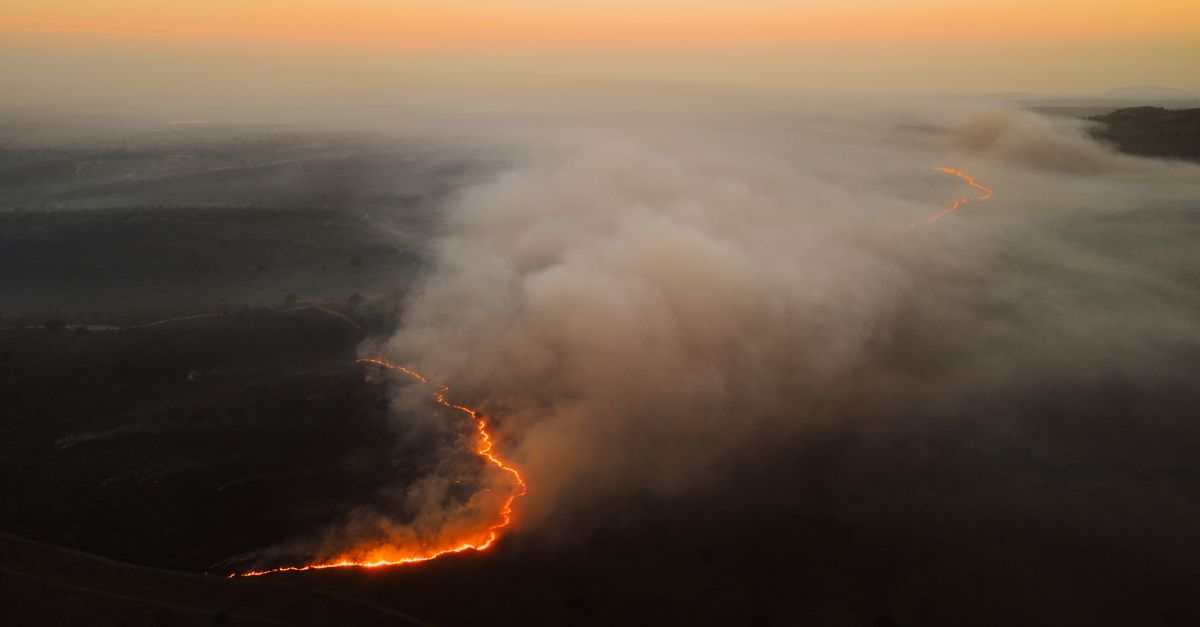
The Year the Sky Stopped Making Sense
Here's a number that should terrify you: the global average temperature in 2025 briefly crossed 1.6°C above pre-industrial levels — blowing past the 1.5°C threshold that scientists spent decades telling us was our safety line. Not permanently, not for a full year, but long enough to matter. Long enough to make every climate model look like it was being optimistic.
I've been following climate data for years, and 2025 felt different. Not because the science was new — we knew this was coming — but because the speed of it caught even seasoned researchers off guard. Let me walk you through the climate records that shattered this year, because understanding what happened matters more than doomscrolling past the headlines.
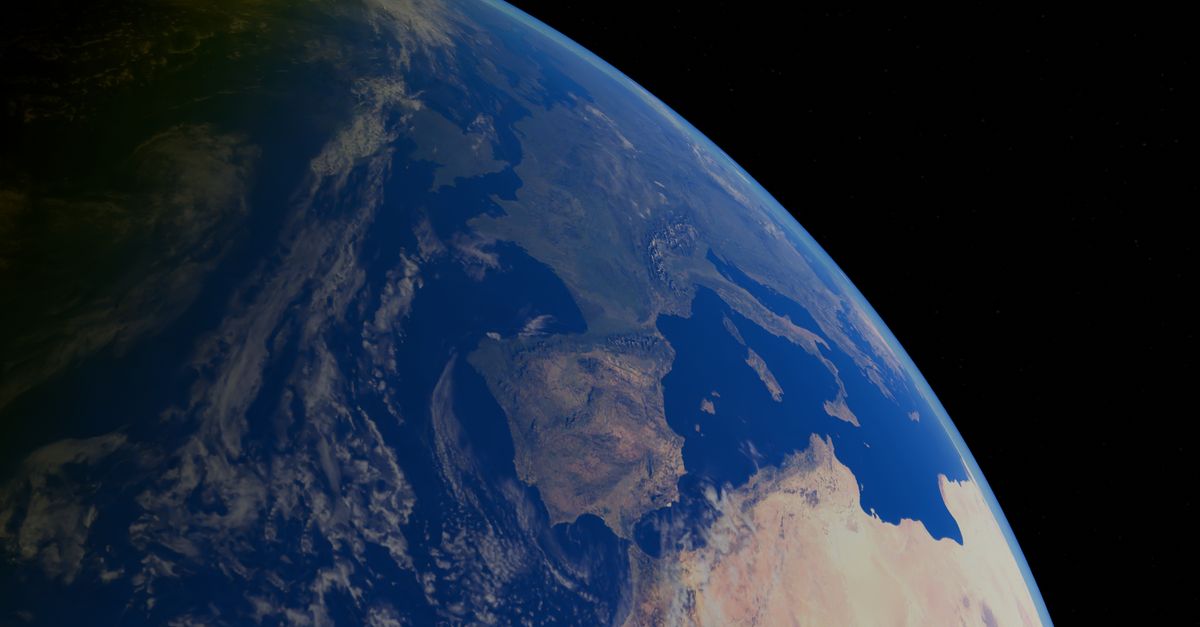
When 50°C Became the New Summer Normal
Let's start with heat, because heat is the quiet killer. 2025 delivered the hottest summer on record for the Northern Hemisphere, and it wasn't even close. Parts of Spain hit 49°C. Phoenix logged its 40th consecutive day above 43°C. But the record that really got my attention? Siberia.
Yeah, Siberia. The place synonymous with frozen tundra recorded temperatures that would make a Dubai summer feel tolerable. A town called Oymyakon — literally one of the coldest inhabited places on Earth — hit 38°C in July. That's not a typo. The permafrost is melting so fast that buildings are literally sinking into the ground.
Here's what most people miss about heat records: they don't exist in isolation. When Siberia cooks, it releases methane trapped in permafrost. When methane releases, it accelerates warming. When warming accelerates, Siberia cooks harder. It's a feedback loop, and 2025 was the year we watched it spin faster.
I've found that most climate coverage focuses on the dramatic stuff — the hurricanes, the wildfires. But the heat records? They're the foundation everything else builds on.
The Hurricane That Made Meteorologists Cry
September 2025 gave us Hurricane Ilsa, and I need you to understand something: this storm went from a tropical depression to a Category 5 monster in just 36 hours. The previous record for rapid intensification in the Atlantic was 48 hours. Ilsa smashed it like it was nothing.
But the truly shocking part? *Ilsa made landfall in October — in Ireland.
Let that sink in. Ireland. A country whose entire infrastructure was built for mild, rainy weather and the occasional sheep-blocked road. They don't have hurricane evacuation routes. They don't have storm surge barriers. Why would they? The last time a hurricane-strength storm hit Ireland was... never. Until 2025.
The storm caused an estimated €12 billion in damages across Ireland and the UK. Fishing villages that had stood for centuries were simply erased. And climate scientists? They're still trying to figure out how a hurricane maintained Category 5 strength that far north, in waters that should've been too cold.
Spoiler: the waters weren't too cold anymore.
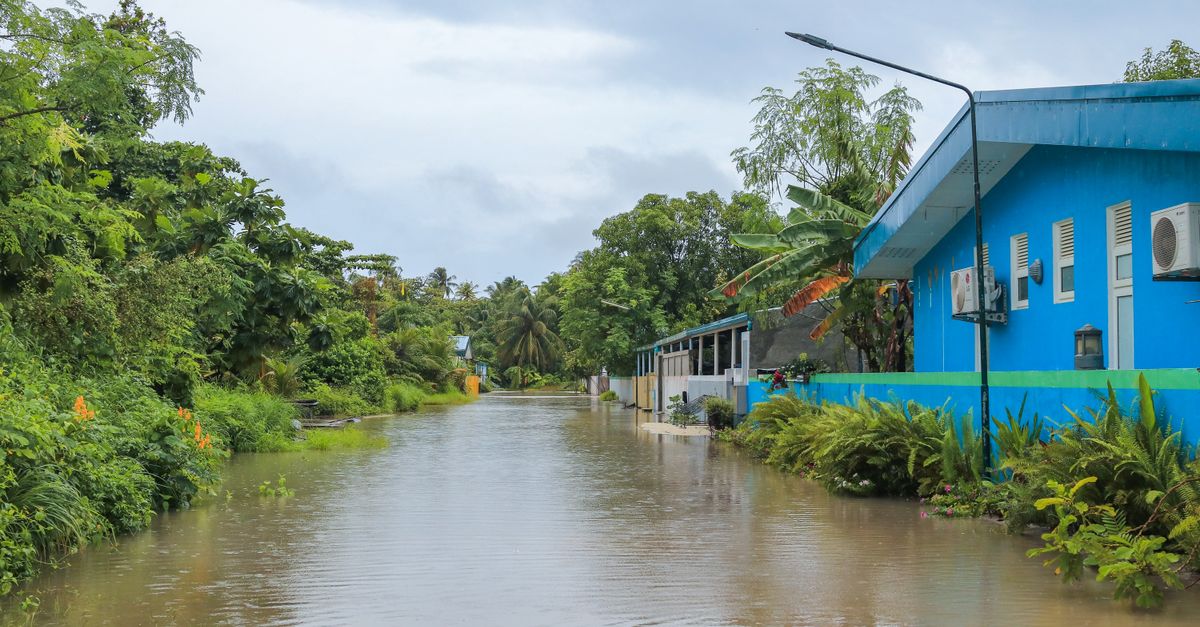
Fire, Flood, and the Insurance Industry's Meltdown
Want to know when the climate crisis gets real for the average person? When insurance companies start fleeing entire states.
In 2025, three major insurers announced they would no longer offer homeowners policies in California and Florida. Not because of one bad year — because of five consecutive bad years that made the math impossible. State Farm, Allstate, and a handful of others basically said: we can't price this risk anymore.
And who can blame them? California's wildfire season now starts in May and ends in January. The Park Fire alone burned 430,000 acres — an area larger than Los Angeles. Meanwhile, Florida got hit with three major hurricanes in six weeks. Three. In six weeks.
Here's the thing that keeps me up at night: climate migration is already happening, and it's happening inside the United States. People aren't just moving for jobs or cheaper housing anymore. They're moving because they can't get insurance, can't rebuild after the third flood, can't breathe the smoke for four months a year.
Let's be honest — the climate conversation has always felt abstract to a lot of people. "Oh, it'll be bad in 50 years." Well, 50 years arrived early. It's here. It's the insurance agent telling you they can't cover your house. It's the grocery store charging $12 for a head of lettuce because the crops in California and Mexico both failed.
The Records That Fell in 2025 (A Partial List)
- Hottest ocean temperatures ever recorded — global sea surface temps hit 21.2°C, breaking the 2023 record
- Most billion-dollar disasters in a single year — 32 events in the US alone, previous record was 28
- Lowest Antarctic sea ice extent — 1.7 million square kilometers, a staggering 40% below average
- Fastest Atlantic hurricane intensification — Ilsa's 36-hour jump from depression to Category 5
- Highest atmospheric CO₂ concentration — 424.8 ppm, the highest in over 3 million years
- Most climate refugees displaced — over 12 million people globally, a new annual record

Why "Unprecedented" Lost Its Meaning
I read a lot of climate reports. Too many, probably. And I've noticed something troubling: the word "unprecedented" has become routine.
Every year, scientists release reports saying the same thing — "this exceeded our expectations," "this happened faster than projected," "this was unprecedented." When everything is unprecedented, nothing is. We become numb. We scroll past. We go back to our lives.
But here's what I want you to sit with: the models have been too conservative. Every single time. The IPCC's projections — the ones that already sounded apocalyptic — have consistently underestimated how fast things would change. Not because the scientists are bad at their jobs, but because they've been cautious. They didn't want to be alarmist. They wanted to be taken seriously.
And the result? We're living in the worst-case scenario, and most people don't even realize it because the worst case has become the baseline.
What Actually Gives Me Hope (No, Really)
I'm not going to end this with sunshine and rainbows. That would be dishonest. The climate records that shattered in 2025 are genuinely terrifying, and 2026 doesn't look better.
But here's what I've found in my years of writing about this: the solutions exist. They're not hypothetical. Solar power is now the cheapest electricity in history. Battery storage is improving exponentially. Electric vehicles are hitting price parity with gas cars in most markets. The technology is there.
What's missing is political will and collective action. The fossil fuel industry spent billions convincing us that individual action — recycling, turning off lights, using paper straws — was the answer. It's not. The answer is systemic change, and it requires all of us demanding it.
So here's my challenge to you: stop treating climate change as a future problem. It's a right now* problem. It's in your insurance premiums, your grocery bill, your air quality, your kids' future. Vote like it. Spend like it. Talk about it like it.
Because 2025 showed us something important: the records aren't slowing down. They're accelerating. And the only thing we can control is how fast we respond.
What record will we break next?





