
Remember that crisp January morning last year? I do. I was standing at my kitchen window, watching my neighbor, Mark, glide past in a fluorescent running jacket. He looked… effortless. Meanwhile, I was on my second cup of coffee, feeling a familiar pang of “I should do that,” immediately followed by the louder, more convincing voice saying, “But you hate running.” My entire running history was a cycle of sporadic, painful jogs that left me wheezing and vowing never to do it again. Sound familiar?
But here’s the thing I discovered: hating running and being bad at running are not the same thing. The former is often just a symptom of the latter. We go out too fast, ignore our bodies, and expect to morph into a marathoner overnight. It’s a recipe for misery. What changed for me, and what can change for you in 2024, isn’t some magical love for the sport—it’s a system. A gentle, forgiving, and shockingly effective framework that has launched millions of former couch-dwellers across finish lines: the Couch to 5K plan.

The Mindset Shift: You’re Not “Going for a Run”
Let’s be honest, the biggest barrier isn’t physical; it’s psychological. The word “run” is loaded with expectations of speed, sweat, and suffering. So, scrap it. For the first month, you are not “going for a run.” You are completing a workout. Your only job is to follow the protocol. If the app or plan says “run for 60 seconds, walk for 90,” that’s your mission. Your speed during that 60 seconds is irrelevant. You could be barely outpacing a determined snail, and you’d still be 100% successful.
This reframes failure. Did you complete the intervals? Yes? Then you won. This mindset removes the pressure to perform and installs the discipline of consistency. I’ve found that focusing on the completion of the workout, rather than the quality of the run, is the secret sauce that gets people through the first, toughest weeks.
Deconstructing the Couch to 5K Magic
Most beginner plans, especially the famed Couch to 5K (C25K), work on a simple principle: progressive overload. They systematically, almost sneakily, increase the demand on your cardiovascular system and musculoskeletal structure. You start with more walking than running, allowing your tendons, ligaments, and bones—which adapt much slower than your heart and lungs—to catch up.
Here’s what most people miss: the walking intervals aren’t a concession; they’re the engine. They allow you to accumulate time on your feet and train your body to recover while still moving. This is non-negotiable for injury prevention. Jumping straight into 20 minutes of continuous running is asking for shin splints or worse.
A typical 9-week C25K structure looks like this: Weeks 1-3: Building the habit. Short run/walk intervals (e.g., 60 sec run/90 sec walk). It feels almost too easy, which is the point. Weeks 4-6: The “hump” weeks. The runs get longer, the walks shorter. This is where mental grit is built. Weeks 7-9: Breakthrough territory. You’re running for 20, then 25, then 28 minutes continuously. The belief becomes real.
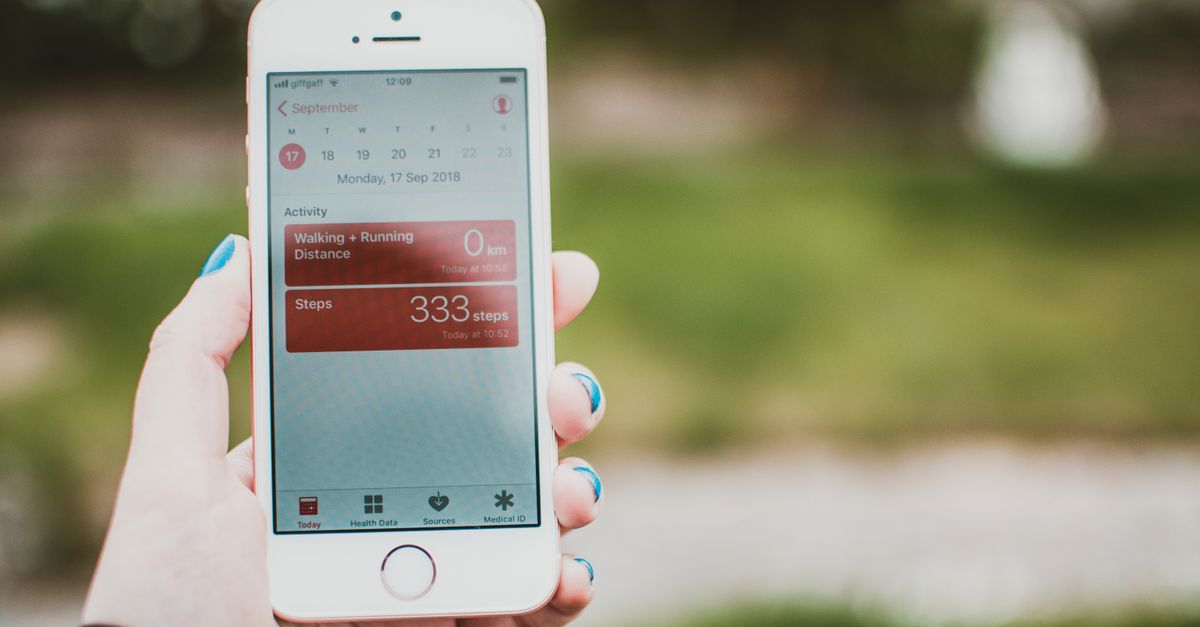
The Gear You Actually Need (Spoiler: It’s Not Much)
The running industry wants you to believe you need a wardrobe of tech fabrics, a GPS watch that tracks your lunar cycles, and shoes with carbon-fiber plates. For your first 5K? Nonsense.
You need exactly two things:
- A decent pair of running shoes. Not old cross-trainers, not fashion sneakers. Go to a specialty running store, get your gait analyzed, and try on a few pairs. This is the single most important investment to keep you healthy. It doesn’t have to be the $250 pair; the $120 pair that fits your foot perfectly is infinitely better.
- Comfortable clothing. Any breathable t-shirt and shorts or leggings that don’t chafe will do. Cotton gets heavy and cold when wet with sweat, so a synthetic blend is ideal.
Signing Up: The Power of the Deadline
This is the catalyst. Pick a local 5K race in late spring or early summer of 2024—about 8-10 weeks from when you start. Pay the entry fee. Tell your friends. Put it on the calendar. This transforms your workouts from a vague “I should exercise” into essential training for a concrete event. The deadline creates accountability that your own willpower simply can’t match.
Pro tip: Look for a race with a fun theme or a great cause. The energy of a race day—the crowd, the volunteers, the other beginners—is pure rocket fuel. You’ll cross the finish line surrounded by people who started exactly where you are.

Your First Race: Strategy Over Speed
Race day arrives. Your goal is not to win. Your goal is to finish feeling strong. Here’s your battle plan: Start at the back. Seriously. Let the speedsters go. Starting too fast is the number one rookie mistake and will ruin your experience. Stick to your intervals. If you’ve trained with walk breaks, take your walk breaks. Don’t get swept up in the crowd. Soak it in. Look around. High-five a kid. Thank a volunteer. This is your victory lap.
- The last 0.1 miles. When you see the finish line, you’ll find a gear you didn’t know you had. Enjoy that surge. Smile for the camera.
So, what’s your story for 2024? Are you going to watch from the window again, or are you going to become the person someone else watches, wondering how you did it? The couch will always be there. The chance to surprise yourself, however, has an expiration date. Your first 5K finish line is waiting.


