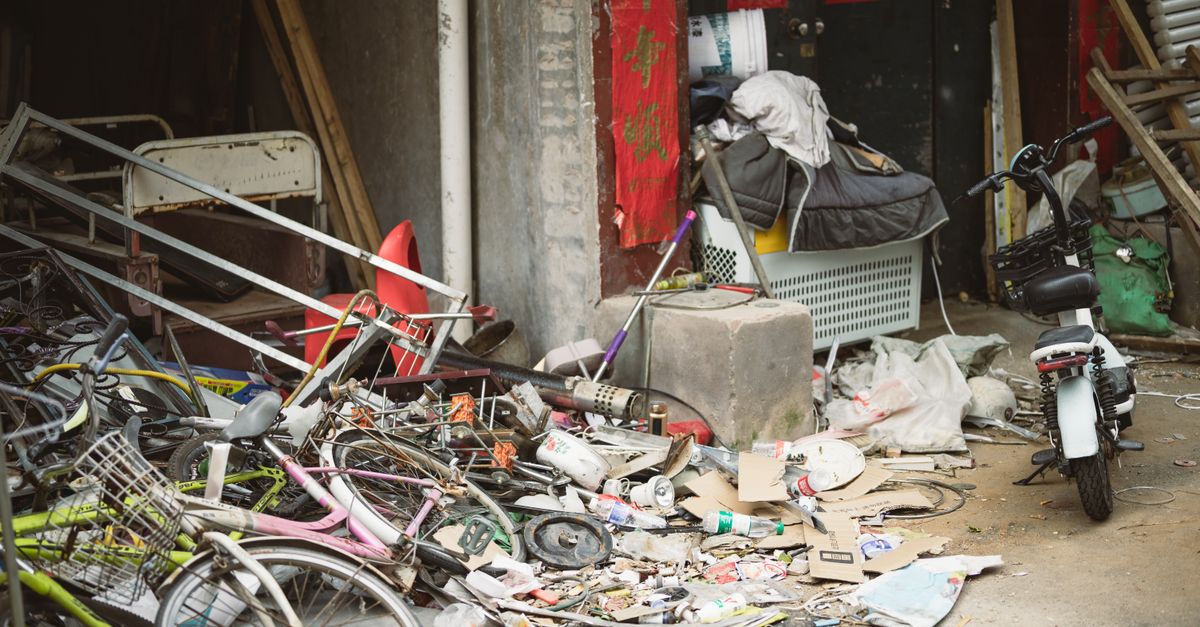
My sister's living room used to look like a storage unit had a baby with a toy store. Three throw blankets on one couch. A bookshelf overflowing with books nobody read. Random candles everywhere — the kind you buy because they smell nice in the shop and then never light because, honestly, who remembers? She'd spend her Sunday mornings "tidying," which really meant shuffling piles from one surface to another. Sound familiar?
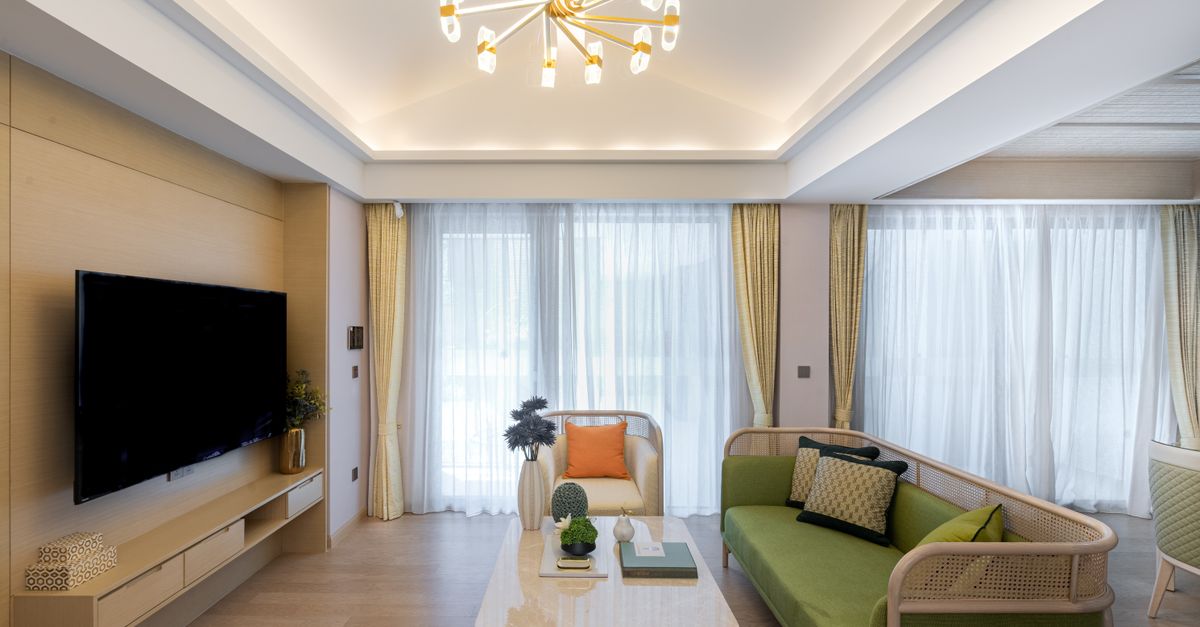
Then something clicked. Not a dramatic Netflix-style purge, but a slow shift. Six months later, her apartment feels like a different place — airy, quiet, calm. And the wild part? She didn't throw away everything she owned or hire a professional organizer. She just built a few minimalist home habits into her daily routine. The kind that stick without requiring you to become a monk.
I've been testing these habits myself, and here's what I've found: minimalism isn't about owning nothing. It's about making your space work for your brain instead of against it.
The 10-Minute Rule That Changed My Evenings
Let's be honest — most of us don't have a "clutter problem." We have a decision fatigue problem. Every object sitting on your counter is a tiny question your brain keeps answering: Should I deal with that? Where does it go? Do I need it?
I started doing something almost embarrassingly simple. Every evening, I set a 10-minute timer and walk through the house with a basket. Anything out of place goes in the basket. When the timer dings, I put everything back where it belongs — or if it doesn't have a home, it goes in the donate box by the door.
Ten minutes. That's it. Here's what most people miss: it's not the tidying that matters, it's the daily reset habit that stops clutter from compounding. Like interest on a credit card, clutter grows quietly until the statement arrives and you're horrified.
Why Your "Junk Drawer" Is Secretly Running Your Life
Okay, controversial take: the junk drawer is a symptom, not the problem.
I used to have one in the kitchen — the classic chaos of dead batteries, mystery keys, and takeaway menus from 2019. Then I read something that stuck with me: every object in your home should have a designated home, or it shouldn't be in your home. Radical? Maybe. But after applying it, I realized the junk drawer existed because I'd never decided where those things belonged.
The minimalist habit here isn't "throw it away." It's deciding with intention. Ask yourself:
- When did I last use this?
- Would I buy it again today?
- Does keeping it make my life easier or just heavier?
The "One Touch" Habit Nobody Talks About
This is the secret that transformed my entryway. You know the drill: bag on the floor, shoes kicked off, mail dumped on the counter, jacket on the chair. Within a week, the entryway looks like a small tornado passed through.
The one-touch rule means you handle things once. Mail comes in — sort it immediately (recycle, file, action). Shoes come off — straight into the rack. Jacket — hook, not chair. Bag — hook by the door.
I've found that this habit works because it removes the "later" loophole. "Later" is where clutter lives. "Later" is the villain of this entire story.
Is it annoying at first? Absolutely. You'll resist it. But after two weeks, it becomes automatic, and your future self will thank you every single time you walk through the door without tripping over anything.

Minimalist Home Habits That Actually Work With Kids (Yes, Really)
I need to address the elephant in the room. Every minimalist blog seems to feature pristine white rooms with one plant and a single chair. That's not real life for most of us — especially if you have small humans who treat the floor as a personal art gallery.
Here's the truth: minimalism with kids is about systems, not sacrifice. A few things that genuinely work:
- The 20-toy rule — rotate toys into storage bins monthly. Fewer options = deeper play. Kids actually focus better.
- Baskets everywhere — open shelving looks minimalist until you realize it's just a display case for chaos. Baskets hide the "stuff" while keeping it accessible.
- A five-minute family reset — everyone participates before dinner. Even toddlers can put three things away. Frame it as a game, not a chore.
- The "flat surface" rule — no flat surface becomes permanent storage. Counters, tables, dressers — they stay clear.
The Emotional Clutter You're Not Talking About
Let's go deeper for a second. I've found that most clutter isn't physical — it's emotional. The gift you feel guilty throwing away. The clothes from your "someday" body. The papers you keep "just in case."
Minimalist home habits work best when you pair them with a mindset shift: keeping something out of guilt isn't honoring anyone. Not the gift-giver, not your past self, not the version of you who might someday need it.
Try this: hold an object. Notice how it makes you feel. If it brings joy, keep it. If it brings guilt or stress, let it go. That's not woo-woo — it's neuroscience. Your environment directly affects your cortisol levels. A cluttered space is a low-grade stressor you've just gotten used to.
And "getting used to it" is the most dangerous part. We normalize our own chaos until we forget what calm even feels like.

Start With One Drawer, Not the Whole House
Here's my final push — and it's the thing I wish someone had told me years ago. You don't need a full home makeover to feel the benefits of minimalism. You need one drawer. One surface. One small win.
Pick the spot that annoys you most — the bathroom counter, the nightstand, the dreaded junk drawer. Spend 15 minutes. Feel the difference. Then do it again next week in a different spot.
The minimalist home habits everyone's talking about aren't magic. They're small, repeatable actions that compound over time — the same way clutter does, just in the opposite direction. And the payoff? A home that feels less like a to-do list and more like a deep breath.
So here's my question for you: what's the one spot in your home that's been quietly stressing you out? Find it today. Set a timer. Deal with it.
Then come back and tell me how it felt — because I'm betting it felt lighter than you expected.