
Did you know that the average American home contains over 300,000 items? Let that sink in for a moment. We’re living in the most materially abundant time in history, yet so many of us feel mentally cluttered, anxious, and utterly drained by our own surroundings. For years, the antidote seemed to be stark, severe minimalism—think sterile white walls, a single chair in a room, and the faint, unsettling feeling that you’re living in a museum exhibit for a future no one actually wants.
But what if there was a middle path? A design philosophy that offers the mental clarity of minimalism without the emotional chill? Enter the quiet revolution: Soft Minimalism. This isn't just a trend; it's a collective sigh of relief. It’s the recognition that we crave calm, not coldness. We want space to breathe, but we also want to feel hugged by our homes.
I’ve found that most people misunderstand minimalism. They think it’s about deprivation. Soft minimalism flips that script. It’s about thoughtful curation, not ruthless elimination. It asks not "What can I get rid of?" but "What truly brings me joy and function?"

The Heart of the Home: Why "Soft" is the New Strong
Let’s be honest, the 2010s-era minimalism could feel a bit… inhospitable. It was fantastic for Instagram, but often terrible for actually living. Soft minimalism pulls from Scandinavian hygge, Japanese wabi-sabi, and a deep, human need for comfort. The core principle is warmth through reduction.
Here’s what most people miss: the goal isn’t empty space. The goal is peaceful space. You’re creating a visual and mental sanctuary by removing the noisy, the unnecessary, and the purely decorative, but you’re intentionally keeping—even highlighting—the items that have texture, memory, and soul. A single, beautifully worn wooden bowl on a clear countertop speaks louder than a crowded shelf of cheap trinkets.
The Soft Minimalist Toolkit: It’s All in the Details
So, how do you translate this philosophy into your space? It’s easier than you think, and it starts with a mindset shift. You’re not designing a showroom; you’re crafting a feeling.
A Neutral, But Not Sterile, Palette: Think beyond clinical white. Soft minimalism lives in the world of oat milks, warm grays, earthy taupes, and creamy off-whites. These colors act as a calm canvas, allowing textures and forms to take center stage. Texture is Your Superpower: This is the secret sauce. Where stark minimalism feels flat, soft minimalism feels deep. It’s the nubby weave of a linen throw, the gentle grain of oak flooring, the plush pile of a wool rug, the imperfect glaze on a ceramic vase. Texture adds visual interest without clutter.
- The "One In, Two Out" Rule: To maintain the calm, adopt a gentle editing habit. When you bring a new item into your home, let go of two that no longer serve you. This isn’t about strict math, but about conscious consumption.

Curating, Not Collecting: The Art of Intentional Ownership
This is where the magic happens. Soft minimalism forces you to fall in love with what you have. Every item should earn its place, either through daily use or genuine beauty.
Ask yourself these questions about the things in your home:
- Do I use it regularly? (The functional test)
- Does it make me happy to look at it? (The joy test)
- Does it tell a part of my story? (The meaning test)
Your Sanctuary Awaits: Starting Your Soft Minimalist Journey
Feeling overwhelmed? Don’t start with the whole house. Start with a single surface. Your coffee table. Your bathroom counter. Your nightstand. Clear it completely. Wipe it down. Now, only put back the absolute essentials and one or two items of true beauty. Breathe. See how that clear space makes you feel?
That feeling—that little hit of calm—is the entire point. From there, move to a drawer, then a shelf, then a whole room. It’s a process, not a weekend purge. The rise of soft minimalism tells us something profound: we are yearning for homes that support our well-being. We want environments that don’t demand our attention, but instead give our attention back to us.
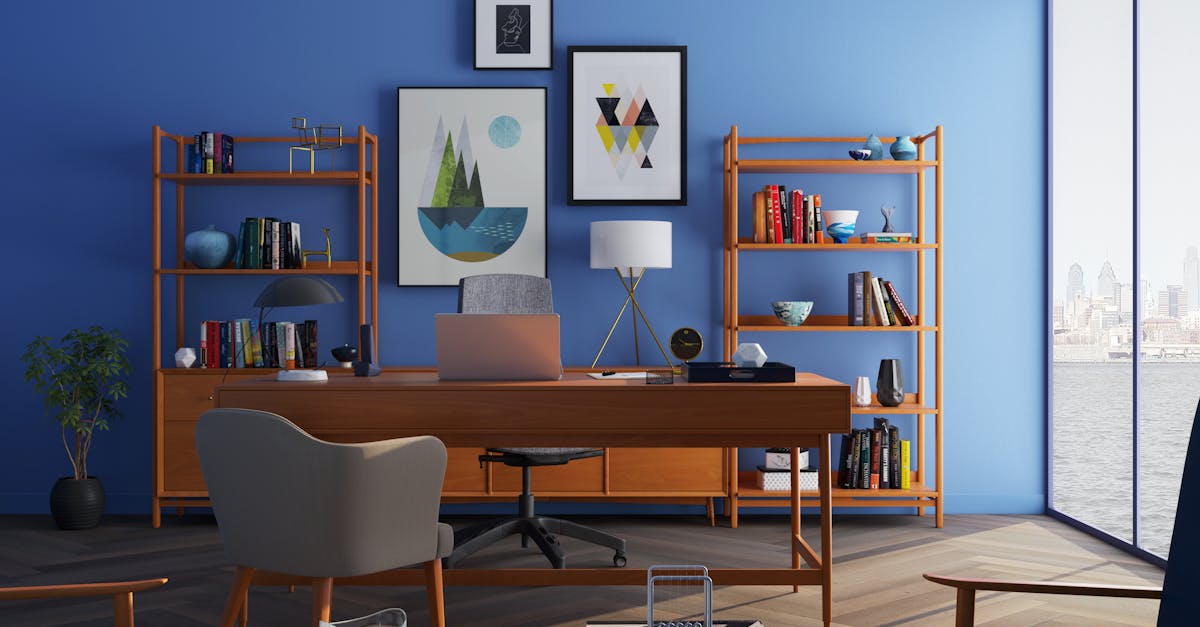
In a world that’s constantly shouting, our homes can be our whisper. They can be the place where our nervous systems finally dial down. Soft minimalism offers that. It’s the art of creating a backdrop for your life, not a distraction from it.
So, what’s one corner of your home you could gently clear today to make room for a little more calm?
Follow us YouTube. Follow for more great content!





