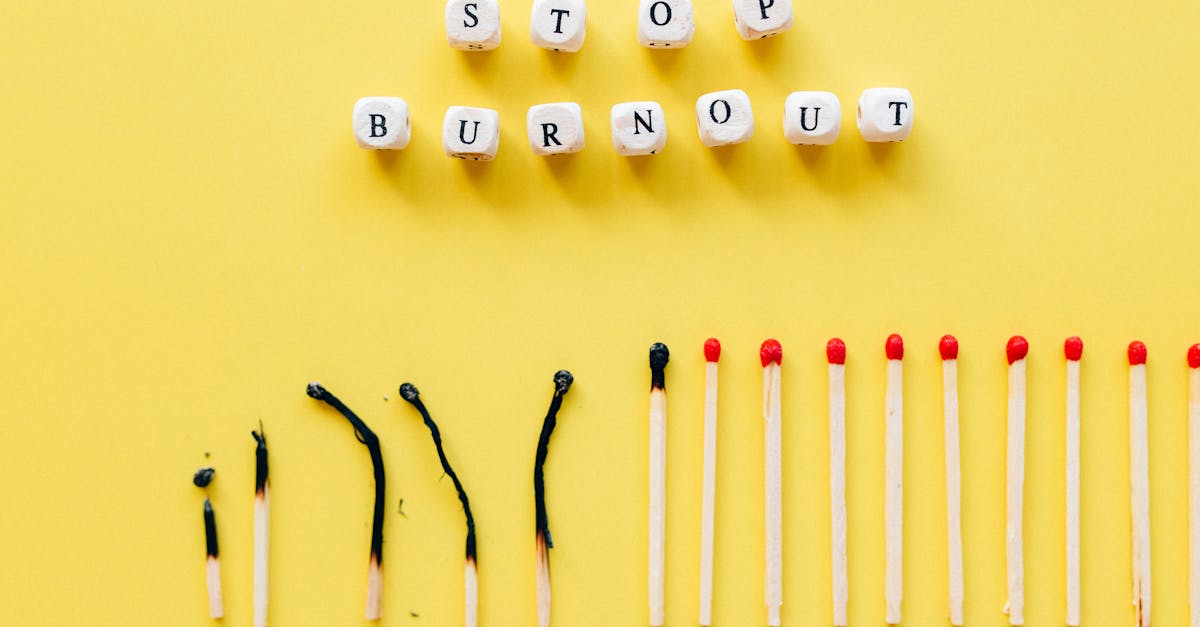
Picture this: it's 11 p.m. on a Tuesday, and you're not answering emails. You're not doom-scrolling LinkedIn either. You're lighting a candle, folding laundry with actual care, and maybe—just maybe—reading a book that has nothing to do with productivity.
Sounds radical, right? Welcome to soft living.
Let me tell you something—2024 has been the year we finally started questioning the hustle. Not quietly, in group chats, but loudly, in public. The Great Resignation gave way to quiet quitting, then loud quitting, and now we've landed somewhere entirely different: a full-on cultural reckoning with what "making it" even means.
And honestly? It's about time.

The Hustle Hangover Nobody Warned Us About
Here's what most people miss about the burnout epidemic: it wasn't just about working too much. It was about the story we told ourselves about why we were working too much. The grind wasn't just a schedule—it was an identity. If you weren't exhausted, you weren't trying hard enough. If you had boundaries, you clearly didn't want it badly enough.
I bought into it for years. I've found that the most dangerous thing about hustle culture is how it disguises itself as ambition. It whispers that rest is laziness, that slowness is failure, that your worth is directly proportional to your output.
Then the statistics started rolling in and we couldn't ignore them anymore. The World Health Organization officially classified burnout as an occupational phenomenon. Millennials and Gen Z started reporting record levels of anxiety and exhaustion. And somewhere between the third consecutive year of "unprecedented times" and watching our favorite founders publicly melt down, we collectively went: wait a minute.
The hustle hangover is real. And the cure, it turns out, isn't another productivity system. It's a completely different philosophy.
Soft Living Isn't What the Critics Think
Let's be honest—"soft living" has gotten some side-eye. Critics call it lazy. They call it a privileged trend for people who can afford to slow down. And sure, there's a version of it that's just expensive candles and $18 matcha.
But here's what I've found: soft living, at its core, isn't about doing less—it's about doing things with intention. It's the difference between collapsing on the couch and choosing to rest. Between neglecting your responsibilities and setting boundaries around them.
The soft living movement in 2024 is really about:
- Reclaiming rest as a right, not a reward. You don't have to earn your sleep.
- Prioritizing nervous system regulation over optimization. Calm is the new productivity.
- Building a life you don't need a vacation from. Radical, I know.
- Choosing depth over speed. Fewer things, done with more care.
- Redefining ambition to include joy. Yes, you can want great things and still want peace.

The Success Redefinition Nobody Saw Coming
The most fascinating part of this cultural shift? The definition of success itself is changing. And it's not just wellness influencers pushing this—it's showing up in boardrooms, hiring practices, and how companies market themselves.
McKinsey's research has been tracking this for a while now. Employees are increasingly prioritizing flexibility, mental health support, and purpose over salary bumps. Companies that don't get it are losing talent to ones that do. The "we're a family" pitch has been replaced by "we respect your life outside these walls"—and that's not just nice-to-have anymore. It's table stakes.
I've found that the people I know who seem genuinely happy right now aren't the ones grinding the hardest. They're the ones who've gotten ruthlessly clear about what they actually want—and equally clear about what they're willing to give up to get it. Some have left prestigious jobs. Some have scaled back side hustles. Some have simply stopped treating their calendar like a game of Tetris where the blocks never stop falling.
The secret nobody tells you about success: it's not a fixed destination. It's a moving target that changes as you do. The 25-year-old version of you might want to climb the ladder. The 35-year-old version might want to burn the ladder for firewood and build a garden instead. Both are valid. Neither is a failure.
What the Soft Living Critics Get Wrong
Okay, I need to address the elephant in the room: the idea that soft living is somehow anti-ambition. That choosing rest means you've given up. That prioritizing your health means you don't care about your career.
That's nonsense.
Let's talk about the hidden truth here: the most ambitious thing you can do is protect your ability to keep going. Burnout doesn't just make you tired—it makes you worse at everything. Your creativity plummets. Your decision-making suffers. Your relationships fray. The person who takes real breaks, sets actual boundaries, and refuses to treat their body like a machine isn't less ambitious. They're playing the long game.
I've watched friends who swore by the grind hit walls so hard they had to take months off just to function again. I've also watched friends who set boundaries early—who said no to the 9 p.m. meeting, who took their vacation days, who protected their weekends—thrive in ways the grinders never did.
The irony is thick enough to spread on toast.

The Real Question You Should Be Asking Yourself
So here's where I'll challenge you—and yes, I'm talking directly to you, the person reading this with your shoulders up around your ears and eleven tabs open.
What would your life look like if you stopped treating rest as something you have to earn?
Not in a "quit your job and move to a cabin" way (though honestly, goals). But in a small, sustainable, real way. What would change if you protected one morning a week with no screens? If you stopped apologizing for leaving on time? If you let yourself want a life that feels good, not just one that looks impressive?
The cultural shift toward soft living isn't a trend. It's a correction. We spent years optimizing ourselves into exhaustion, and now we're remembering something our grandparents knew: a good life isn't a busy one. It's a lived one.
So I'll leave you with this: the next time someone asks how you're doing, and you're tempted to say "busy"—try something else. Try "good." Try "resting." Try telling the truth.
Because the version of success that's emerging in 2024? It's not about how much you can cram into a day. It's about how present you can be for the life you're actually living.
And that's not soft. That's revolutionary.


