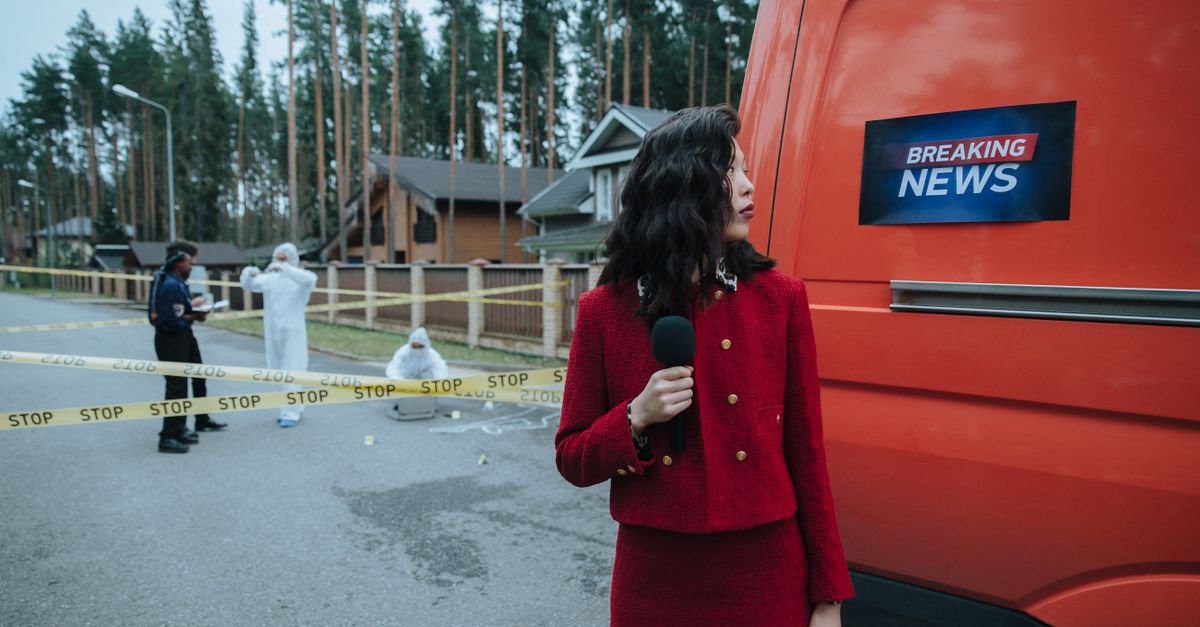
I was scrolling through my feed last month when I saw a video that made me stop cold. A bridge in my hometown — the one I'd driven across a thousand times — was buckling. Water was lapping at the guardrails. The clip was shaky, shot vertically on a phone, and posted by a guy whose bio just said "local fisherman." Within an hour, that 47-second video had more engagement than the official press release from the city's transportation department got all week.
That's the moment it clicked for me. We're not just watching the news anymore. We're becoming it.
The Gatekeeper Didn't Just Crack — It Shattered
For most of my life, trust in media worked like a toll booth. You wanted information, you paid attention at the gate, and the people running the booth decided what got through. Editors, producers, anchors — they were the arbiters of what was "real."
Then the toll booth got a smartphone.
Here's what most people miss: citizen journalism isn't a new idea — it's an old idea with new tools. People have been documenting their own realities since the first town crier got contradicted by a neighbor who saw the whole thing differently. What's changed is the speed and the reach. A bystander with a phone can now broadcast to millions before a newsroom even assigns a reporter.
I've found that the most trusted voices in my own circle aren't the polished anchors anymore. They're the people on the ground. The nurse posting from the hospital hallway. The teacher filming the school board meeting. The commuter who happened to be standing exactly where history decided to happen.
Trust Isn't Given Anymore — It's Earned in Real Time
Let's be honest — traditional media has a trust problem, and it didn't come out of nowhere. Studies keep showing that confidence in mass media has been sliding for decades. People feel talked down to. They sense the spin. They notice when a story gets buried or amplified for reasons that have nothing to do with truth.
Citizen journalism flips the script because the audience becomes the editorial board. You don't need to trust a faceless institution when you can watch the raw footage, read the eyewitness thread, and cross-check three different accounts yourself. Is that more work? Absolutely. Is it more trustworthy? Not always.
But that's exactly what makes it powerful. It's trust built through transparency and participation rather than authority and polish. When a citizen journalist gets it wrong, the correction usually happens in public, in the comments, in real time. Messy? Yes. But there's a certain honesty in the mess.
The Double-Edged Sword Nobody Wants to Talk About
I'd be lying if I said this was all sunshine. The same tools that democratize truth also democratize misinformation. A viral clip with the wrong caption can do more damage in ten minutes than a fact-check can undo in ten days. We've all seen it — the out-of-context video, the misidentified photo, the "friend of a friend" who supposedly witnessed everything.
So here's my honest take: citizen journalism doesn't replace the need for verification. It demands a new kind of media literacy from all of us. The breakthrough isn't that anyone can report. The breakthrough is that everyone now has to think like a reporter.
Here's what I do before I share anything from a citizen source:
- Check the original. Is this the first posting, or a re-upload?
- Look for corroboration. Do two independent sources show the same thing?
- Ask who benefits. Does this framing push an agenda?
- Wait an hour. Speed is the enemy of accuracy, always.

The Newsroom Is Learning to Listen
The smartest thing traditional outlets have done in the last few years isn't hiring more anchors. It's opening the door to the crowd. Newsrooms now monitor social feeds, verify user-generated content, and sometimes collaborate directly with the people who were there first.
I've watched local stations build entire segments around viewer-submitted footage. I've seen national outlets credit the eyewitness who shot the video everyone used. That's not weakness — that's adaptation. The future of media trust isn't a wall between professionals and the public. It's a bridge, and both sides are walking across it.
Here's the part that genuinely excites me: citizen journalism is rewriting who gets to be an expert. The flood victim knows more about the flood than the anchor reading the teleprompter. The local parent knows more about the school than the pundit with the hot take. When those voices get amplified, the whole information ecosystem gets closer to the truth — not farther from it.
What This Means for the Rest of Us
So where does that leave you and me? Honestly, it leaves us with more power than we've ever had — and more responsibility.
If you see something important, document it. If you share something, verify it first. If a story sounds too clean, too convenient, too perfectly framed — ask why. The rules of media trust aren't being rewritten by institutions anymore. They're being rewritten by the crowd, one post at a time.
The next time breaking news hits your feed, don't just scroll past. Look at who's telling the story. Look at who's showing the receipts. The breakthrough we keep waiting for isn't going to come from a press conference.
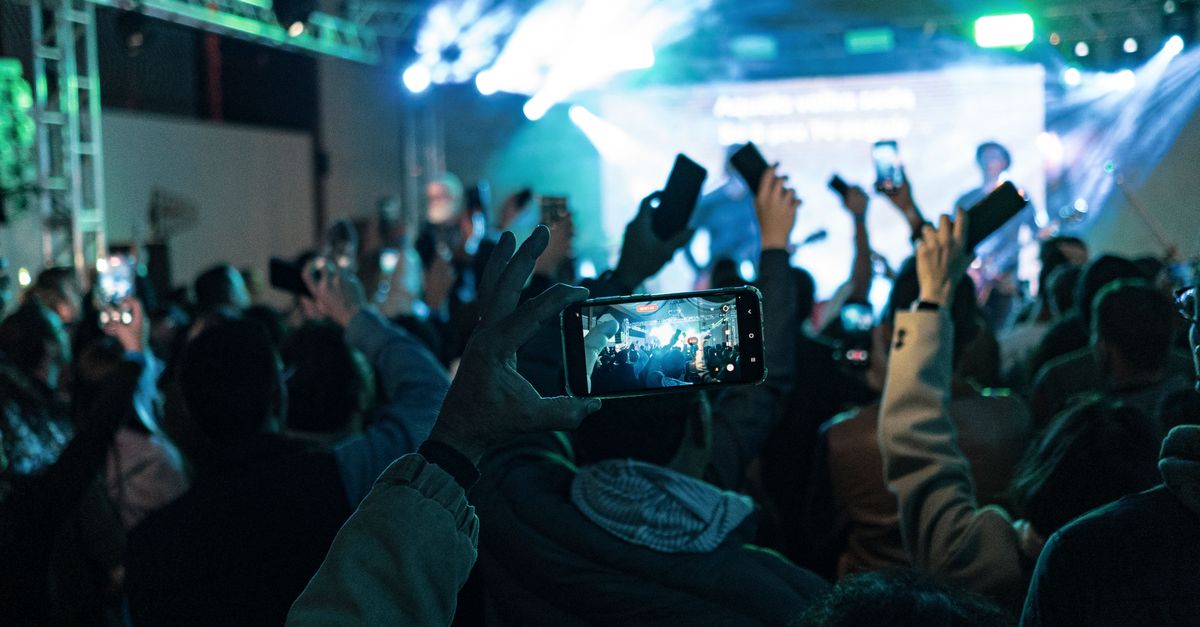
It's going to come from someone holding up a phone.
So here's my challenge to you: the next time you witness something worth sharing, be the source you'd want to trust. And the next time you share, be the fact-checker you'd want on your side. That's how we rebuild media trust — not from the top down, but from the ground up.
What's the last piece of citizen-shot footage that changed how you saw a story? I genuinely want to know.



