A federal judge ruled late Wednesday that the Department of Homeland Security's practice of sending agents to people's homes to ask about immigration status and recent voting likely violates the Voting Rights Act, according to CBS News. U.S. District Judge Araceli Martinez-Olguin ordered federal immigration authorities to halt "elections-related field operations and field interviews" in nine states, including California and New York, where those operations are likely to involve people officials "know, suspect, or should reasonably know or suspect are U.S. citizens."
The order stays in force until polls close on Election Day. The judge paused her own ruling until 5 p.m. Friday, giving the government a window to seek an appeal.
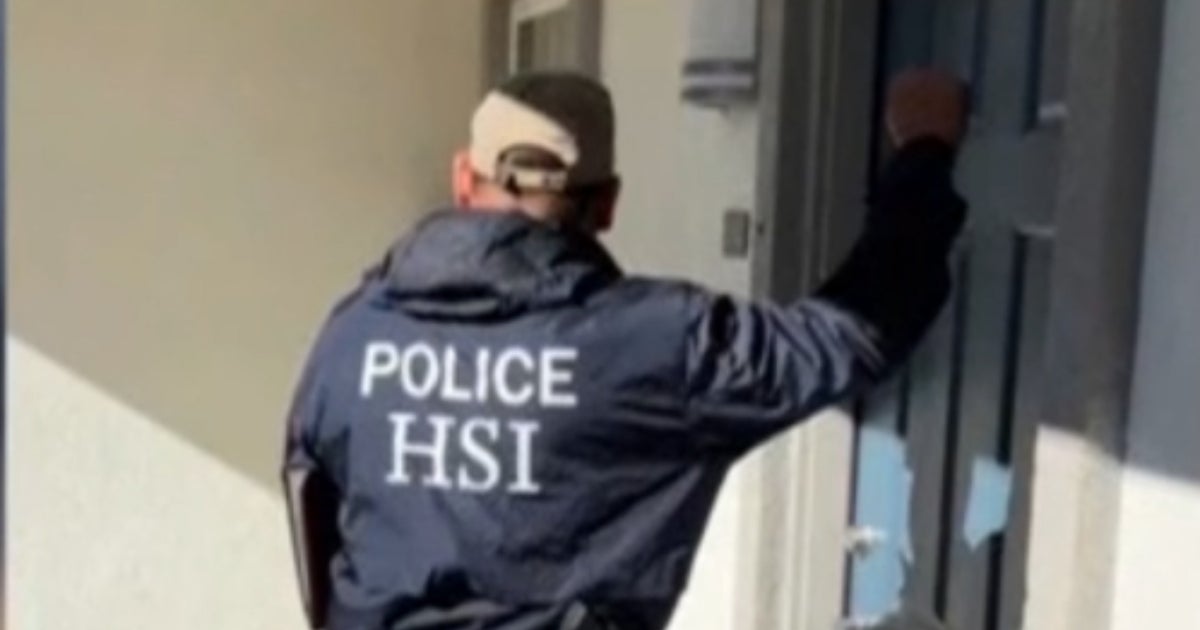
The decision landed hours after a CBS News investigation documented the operation. Homeland Security Investigations has published photos and videos of agents approaching homes in several states. The Trump administration describes the practice as part of its push against voting by noncitizens; critics say it can frighten people who are legally entitled to vote.
Why it matters
The ruling sets a limit on how far the government can go in hunting for voter fraud in the run-up to an election. It also tests a specific provision of the Voting Rights Act — the section that bars anyone from intimidating, threatening, or coercing people who help others vote or who work on voter mobilization. The judge accepted the argument that door-knocks aimed at citizens can chill that kind of assistance, even if investigating illegal voting is itself lawful.
The timing matters as much as the legal reasoning. The order covers the final stretch before Election Day, when voters are most likely to be contacted and most likely to be deterred.
What the judge said
Martinez-Olguin was careful to draw a line. She wrote that the plaintiffs did not argue, and the court did not find, that federal officials act unlawfully when they investigate illegal voting in federal elections. What the plaintiffs sought, she wrote, was to stop DHS from continuing to investigate U.S. citizens — people with a legal right to vote — in a manner that intimidates and threatens nurses' union members as they urge or aid others to vote.
She also flagged what she called a "high likelihood of error" in how the government built its list of potential targets. That list draws on data from government agencies and from commercially available sources, according to CBS News.
The suit was brought by groups including the California Nurses Association and National Nurses United, which argued the investigation surge harmed their voter outreach work.
The data question
The reliability of the underlying lists is central to the case. Protect Democracy, one of the organizations that sued, said the problems were obvious from the outset. Beau Tremitiere, counsel at the group, told CBS News that DHS assembled its lists from flawed data, never measured how often that data was wrong, and sent agents to homes weeks before an election. He said the ruling should serve as a reminder that citizens, not the government, hold ultimate power in a democracy.
The broader factual record is contested. President Trump has made cracking down on voter fraud a priority in his second term, though there is little evidence supporting his claims of widespread voting by noncitizens. According to the Justice Department, 156 people have been charged with voting-fraud-related offenses since the start of the administration. Earlier this week, the department said it had arrested several dozen green card holders in California on allegations they registered to vote illegally in federal elections.
Those figures sit at the center of the dispute: the government frames its field work as a response to real violations, while the plaintiffs argue the scale of the problem does not justify home visits that sweep in citizens.
What to watch
The government has until 5 p.m. Friday to seek an appeal, and the judge's order expires when the polls close on Election Day. Whether an appeals court intervenes before then will determine how much of the operation proceeds in the nine states.