European Union leaders ended the first day of a two-day summit in Brussels on Thursday without resolving their disagreements over energy costs and the bloc's long-term budget, according to Sky TG24. The meeting, which continues on Friday, also covers Ukraine and the Middle East.
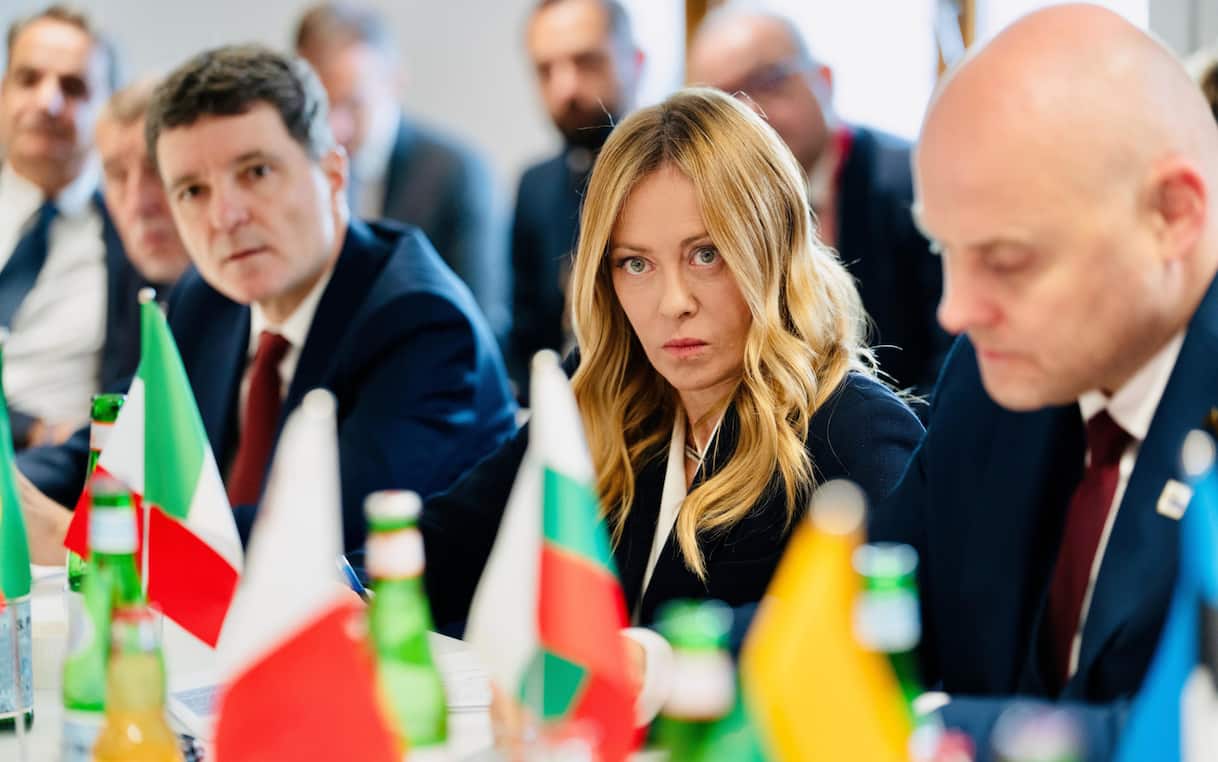
Italian Prime Minister Giorgia Meloni raised the question of fiscal flexibility during the debate on the energy crisis, Italian sources said, repeating the position she had already set out in a letter to European Commission President Ursula von der Leyen. Meloni argued that the EU's fiscal rules should treat inflation as an external factor. According to the same Italian sources, Greek Prime Minister Kyriakos Mitsotakis openly backed her position during the discussion.
European sources, however, said the only extraordinary measure that will take effect in the short term is state aid, with the EU set to extend its temporary framework for energy support. Sky TG24 reports that Brussels currently has no further interventions planned.
Why it matters
The deadlock leaves households and businesses across the bloc without new EU-level relief on energy prices, even as the cost of power remains a political flashpoint in several member states. It also delays a decision on the 2028–2034 budget, the framework that will shape spending on agriculture, regional development and climate policy for years. The split over the Emissions Trading System, or ETS, matters beyond Europe: it determines how quickly the bloc cuts carbon emissions and how much industry pays to pollute.
A divided house on emissions trading
The most contentious passage in the draft conclusions concerns the ETS, the EU's carbon market. Italy, Greece and the four Visegrad countries want to soften language defending the mechanism, according to Sky TG24. Nordic countries are leading the opposing camp, resisting any rollback.
Before the summit, the prime ministers of Finland, Denmark and Sweden wrote to European Council President António Costa calling the ETS "the main engine of this transition," ANSA reported. They warned that weakening it could slow industrial decarbonisation and shift the burden of cutting emissions onto other economic sectors.
To break the impasse, Germany, Sweden, Denmark, Finland, the Netherlands and Spain put forward a compromise text on the energy conclusions. The proposal asks the European Commission to update its assessment of ETS2, focusing on its structure and related safeguards, so that member states get clearer guidance on their national social climate plans. The wording drops a reference to a broader "assessment of the economic and social impact of the ETS," which Italy, Greece and the Visegrad four had requested during the day, according to Sky TG24.
Budget talks expose a north-south rift
The Multiannual Financial Framework for 2028–2034 dominated the afternoon session. German Chancellor Friedrich Merz, arriving at the summit, said the joint budget must be cut substantially because no member state can afford contributions at the proposed level, and predicted "very, very difficult" negotiations. Corriere della Sera described the day as a double clash over energy costs and the EU budget.
Costa will present a new negotiating document on the budget in the coming weeks, Sky TG24 reports. The goal of reaching an agreement by the end of the year remains in place.
Earlier on Thursday, Meloni chaired a working breakfast on the 2028–2034 budget with the 17 countries of the "Friends of Cohesion" group. A separate meeting of the so-called frugal states — Germany, the Netherlands, Denmark, Austria, Sweden, Finland and Belgium — took place in parallel. According to ANSA, Italy is working to build a common platform with the Friends of Cohesion for the decisive phase of the budget talks. The platform sets out points Italy considers essential: no new cuts to the budget, support for the Common Agricultural Policy and cohesion policy in both funding and application rules, rejection of rebates, and the introduction of balanced own resources. The negotiations have also shown that new own resources have a different economic impact depending on the member state, ANSA reported.
Ukraine, enlargement and the search for a single voice
Ukrainian President Volodymyr Zelensky arrived at the Europa Building, the summit venue, earlier than scheduled. On Ukraine, Italian Foreign Minister Antonio Tajani said on the sidelines of the European People's Party pre-summit meeting that what matters is that Europe has a spokesperson empowered to negotiate on behalf of the whole Union. "For Europe to count for more, it needs a spokesperson for everyone. The important thing is that this is decided quickly," Tajani said, according to Sky TG24.
Friday's agenda includes specific discussions on Ukraine and the Middle East. Over dinner on Thursday, leaders held what was described as a strategic debate on enlarging the Union and the internal reforms needed to admit new members. Global macroeconomic imbalances were also on the table.
The summit resumes Friday, with the energy conclusions, the budget path and the question of who speaks for Europe on Ukraine all still open.