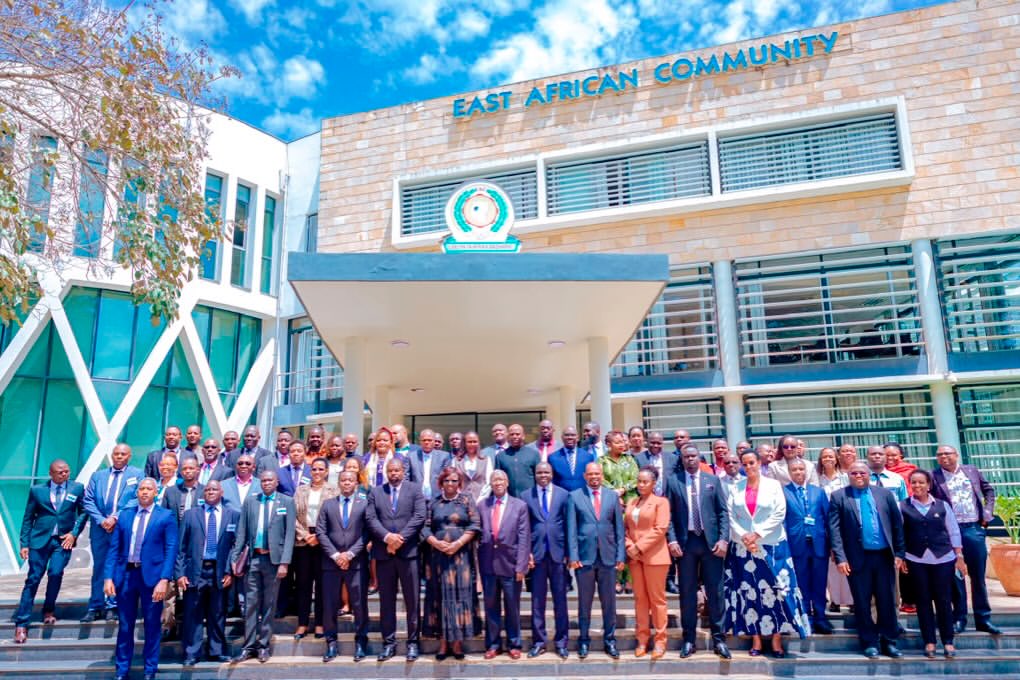
East African Community (EAC) member states have agreed to align their tourism policies, licensing requirements and service quality standards, according to Daily News. The decision was taken at the 13th EAC Sectoral Council on Tourism and Wildlife Management, which closed at ministerial level in Arusha, Tanzania, on October 15, 2026, after four days of talks.
The meeting gathered ministers in charge of tourism and wildlife management from the EAC Partner States. Daily News reports that the aim is to build joint strategies for sustainable tourism, raise service quality and draw more economic benefit from the region's tourism resources.
The council also agreed to market the bloc as a single tourism destination, a move intended to sharpen its competitiveness in international markets.
Why it matters
Tourism is a shared asset across East Africa, but each member state has until now run its own rules on licensing, standards and promotion. Visitors moving across the region can meet different requirements and uneven service quality from one country to the next.
Aligning those rules could make travel across the bloc simpler and present East Africa to overseas markets as one product rather than several competing ones. Daily News frames the agreement as a way to strengthen regional competitiveness, suggesting member states see coordination, not competition, as the path to a larger share of global tourism.
The timing adds weight. Tanzania, Kenya and Uganda are preparing to co-host the 2027 Africa Cup of Nations (AFCON), set for June 19 to July 17, 2027. A major tournament brings a surge of visitors and international attention, and the three hosts are expected to use it to showcase their attractions and lift East Africa's profile among international travellers.
Service quality and the visitor experience
Opening the Arusha meeting, Zanzibar's Minister for Agriculture, Irrigation, Natural Resources and Livestock, Suleiman Masoud Makame, said tourism success rests not only on the region's attractions but also on service quality, visitors' experiences and joint marketing by member states, according to Daily News.
His point speaks to a familiar gap in the region: world-class landscapes and wildlife paired with inconsistent standards in hotels, transport and guiding. Harmonised quality standards would give travellers a more predictable experience across borders, which matters for repeat visits and word-of-mouth recommendations.
Licensing is the other half of the equation. Common requirements would make it easier for operators to work in more than one member state and could reduce the confusion that comes with separate national regimes. For tour companies, hoteliers and guides hoping to serve regional itineraries, that is a practical change rather than a symbolic one.
Who stands to gain
The economic reach of the agreement extends well beyond hotels and safari operators. Daily News notes that hotels, transport companies, tour guides, food service providers, artists and small and medium-sized enterprises are all expected to benefit from activity linked to the 2027 tournament.
That list reflects how tourism spending spreads through an economy. A visitor arriving for matches in Dar es Salaam, Nairobi or Kampala also pays for meals, ground transport, crafts and entertainment, much of it supplied by small businesses. Harmonised standards and joint marketing are meant to help those businesses capture more of that spending.
Wildlife management sits alongside tourism in the council's mandate, and the meeting covered joint strategies for sustainable tourism. That pairing matters because the region's wildlife is the foundation of its biggest draw. How member states manage that resource together will shape whether the growth in visitor numbers is durable or short-lived.
What to watch
The agreement sets a direction, but the details of how aligned policies, licensing and standards will be implemented across member states are not yet spelled out in the reporting. The next test is whether national rules actually converge before the 2027 tournament, when East Africa will have the world's attention and a tight window to make the single-destination pitch real.


