
I remember standing in a packed sports bar last March, watching a buzzer-beater that sent the whole place into a frenzy. Amid the chaos, I noticed a guy next to me wasn't even looking at the game — he was glued to his phone, grinning. Turns out, he had just sold a pair of autographed sneakers he'd bought for $200 three years ago. The sale price? $1,800. He didn't have a store. He didn't have a brand. He just saw an opportunity in the sports resale market and grabbed it.
That moment hit me like a fastball to the chest. Here I was, writing generic blog posts about "e-commerce trends," while real people were quietly building empires in the sports niche. And let's be honest — the sports world is a goldmine for e-commerce that most people are still sleeping on.
The Hidden Playbook Nobody Talks About
You probably think of sports e-commerce as jerseys, tickets, and maybe some workout gear. Boring, right? Wrong. The real money is in the niches within niches.
I've found that the most profitable sports e-commerce opportunities aren't the obvious ones. They're the weird, specific, borderline obsessive corners of fandom. Think about it — a generic "Nike running shoes" store has a million competitors. But a store that sells vintage 1980s NBA warm-up jackets for collectors? That's a different game entirely.
Here's what most people miss: The sports fan economy is emotional, not rational. When a fan buys a piece of memorabilia, they're not buying fabric or plastic. They're buying a memory — that game they watched with their dad, that championship they'll never forget, that player who defined their childhood. Your e-commerce store isn't selling products. You're selling time machines.
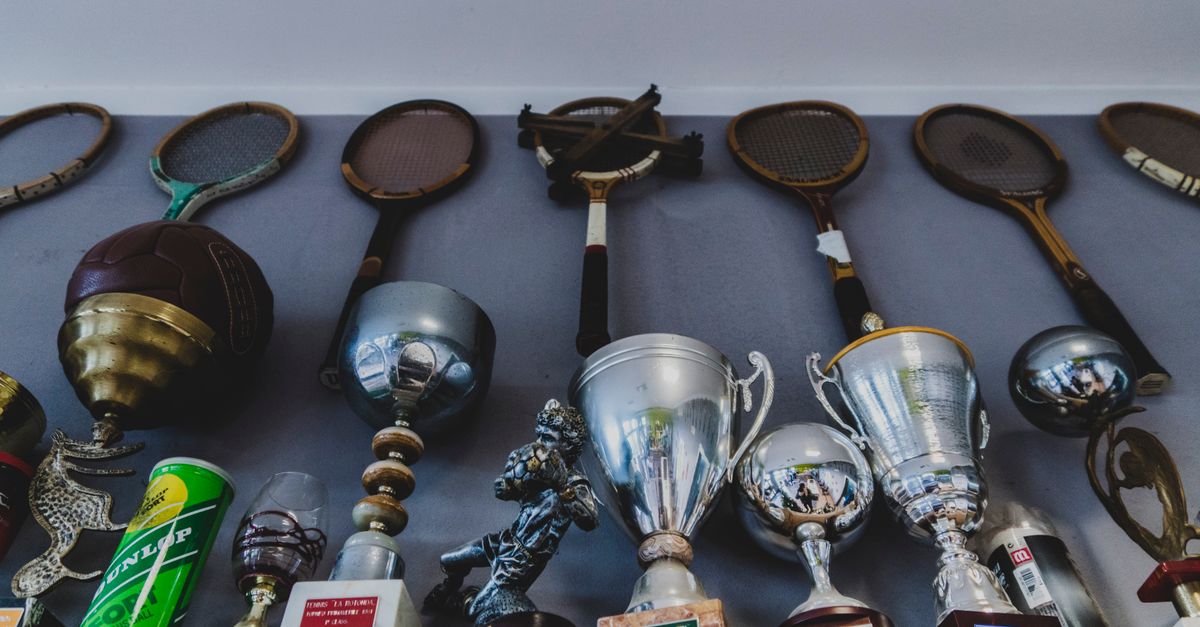
The secret sauce? Find a subculture within a sport. Maybe it's custom golf headcovers for left-handed players. Maybe it's retro boxing gloves from the 1990s. Maybe it's hand-painted hockey masks for goalie enthusiasts. The smaller the niche, the bigger the loyalty — and the higher the margins.
Why Dropshipping Is Dead (But This Isn't)
Let's cut the crap. The days of slapping a generic "sports fan" dropshipping store together in an afternoon and watching money roll in are long gone. Dropshipping in sports is a race to the bottom — you're competing with Amazon, Fanatics, and every other giant that can afford to sell at cost.
But here's what I've learned: Customization is the killer app. You know what Amazon can't do? Sell a limited-edition, hand-numbered print of a local soccer team's iconic goal. You know what Fanatics won't touch? Personalized commemorative plaques for little league championships.
The opportunity isn't in selling the same Nike dri-fit shirt as everyone else. It's in creating products that scream "this was made for ME."
Three sports e-commerce models that actually work right now:
- Print-on-demand for niche sports: Not "football shirts" but "vintage-style shirts for fans of the 1994 World Cup." Get specific. Get weird. Get profitable.
- Curated subscription boxes: Weekly mystery boxes of trading cards. Monthly vintage baseball cap deliveries. Quarterly golf accessory surprises. Recurring revenue is the holy grail.
- Digital products for athletes: Training programs, meal plans, visualization guides. No inventory, no shipping, 100% margins. Sell to the 99% who'll never go pro but still want to train like they will.
The Psychology That Makes Sports Fans Open Their Wallets
Here's something most e-commerce gurus won't tell you: Sports fans have a completely different buying psychology than regular consumers.
When someone buys a regular product — say, a coffee mug — they're thinking about utility. "Will this hold my coffee? Is it dishwasher safe?" But when a sports fan buys a game-worn jersey fragment or a signed photo of a retired player, they're operating on pure emotional impulse.
I've found that scarcity and authenticity are your best friends in sports e-commerce. Limited drops. Numbered editions. Certificates of authenticity. The more you can make a product feel exclusive and legit, the more you can charge.
The dirty little secret? You don't need actual game-worn gear. You need *the perception of authenticity. A properly designed replica with a believable backstory can sell for 80% of what the real thing goes for. Is that manipulative? Maybe. But it's also how the entire collectibles industry works.
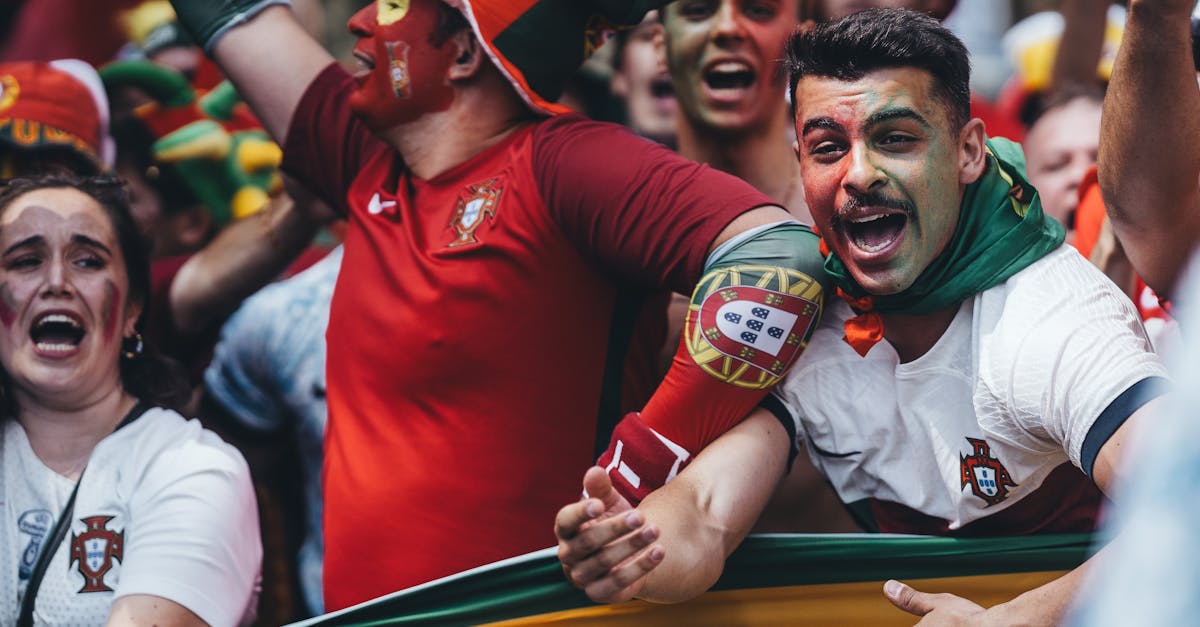
Another psychological lever: Tribalism. Fans don't just buy for themselves — they buy to signal their identity to others. A Yankees cap isn't about protection from the sun. It's a declaration. "I'm part of this tribe." Your marketing should tap into that "us vs. them" mentality. Create products that let fans wear their allegiance on their sleeve — literally.
The 3 Things Every Sports E-Commerce Newbie Gets Wrong
I've made these mistakes myself, so I'm not judging. But if you want to avoid losing money on inventory that'll sit in a warehouse until 2037, listen up.
Mistake #1: Overestimating the mainstream market. You don't need to sell to ALL soccer fans. You need to sell to the specific subset of soccer fans who collect vintage match programs from the 1970s. Narrow is the new wide.
Mistake #2: Ignoring the secondary market. Most people think e-commerce means selling new products. But reselling used sports equipment is a massive opportunity. Golf clubs, hockey skates, baseball gloves — these items have high perceived value but low entry costs. Buy low, clean them up, photograph them well, and sell for a premium. I know a guy who makes $50,000 a year just refurbishing and reselling used boxing gloves.
Mistake #3: Forgetting the experience. Sports fans don't just want a product. They want a story. Every product listing should include a mini-narrative. "This bat was used in the 2018 Little League World Series qualifiers." "These cleats were worn during a rainy championship game." Even if you're selling something generic, frame it within a story. Human brains are wired for narrative, not features.
How to Start Tomorrow Without a Dime
You don't need a warehouse. You don't need a manufacturer. You don't even need a website on day one.
Here's your 48-hour launch plan:
- Step 1: Pick one hyper-specific sports niche. I'm talking "collectible soccer scarves from European clubs that no longer exist." Something that makes people say "huh, that's oddly specific."
- Step 2: Find 10 products within that niche on platforms like eBay, Facebook Marketplace, or local thrift stores. Buy the best ones.
- Step 3: Create a simple Instagram or TikTok account focused entirely on that niche. Post photos with stories. Build a tiny audience.
- Step 4: Sell your products through DMs or a free Shopify trial. Reinvest profits into more inventory.
Pro tip: Use platforms like Whatnot or eBay Live for real-time auctions. Sports collectors love the thrill of the bid. You can start with zero followers and still make sales if your product is compelling enough.

The Long Game Nobody's Playing
Most people want overnight success. They want to launch a store, run some ads, and retire. That's not how sports e-commerce works.
The real wealth is in building a brand that becomes synonymous with a specific niche. Think of it like this: When someone says "vintage NBA jerseys," there should be one name that comes to mind. That could be you.
I've seen it happen with a guy who started selling custom-painted skateboard decks from his garage. Five years later, he's got a warehouse, a team of artists, and a waiting list for limited drops. He didn't try to sell to all skaters. He sold to the skaters who cared about art and individuality.
Here's the uncomfortable truth: Most people quit after three months because they don't see instant results. But the sports world operates on seasons, not fads. A football fan will buy the same type of product year after year. A baseball collector will spend thousands over a lifetime. If you can capture one loyal customer, you've captured a revenue stream that lasts decades.
Your competitive advantage isn't your product — it's your patience.
The Final Whistle
Look, I'm not going to tell you that sports e-commerce is easy. It's not. You'll deal with shipping issues, customer complaints, and moments when you wonder why you didn't just start a dropshipping store for phone cases like everyone else.
But here's what keeps me coming back: Sports fandom is one of the last truly passionate communities left. People care deeply. They spend money not because they need something, but because they
feel* something. And if you can tap into that feeling, you're not just running a business — you're becoming part of their story.So here's my challenge to you: Find one sports niche that makes you smile. One weird, specific, borderline obsessive corner of the sports world. Start small. Start ugly. Start today.
Because while everyone else is fighting over the same generic jerseys, the real opportunity is waiting in the spaces they're too lazy to explore.
Now go sell something that matters.


