My friend Kenji pulled out his phone at dinner last week, and I genuinely did a double-take. It was a Nokia 3310. The indestructible brick from 2000. Snake game and everything.
We were at this trendy izakaya in Shibuya, the kind of place where people photograph their food before touching it, and here was a 34-year-old product designer with a phone that can't even load Instagram. I asked if his smartphone died. He smiled, took a sip of sake, and said, "I retired it. Best decision I've made in five years."
Nobody at the table laughed. Two people asked him where they could buy one.
That moment stuck with me, because it wasn't that long ago that carrying a dumbphone would've gotten you pitying looks. Now? It's a flex. And not a subtle one.

The Quiet Rebellion Against the Infinite Scroll
Let's be honest — we've all felt it. That 11 p.m. moment when you're four hours deep into TikTok, your thumb is sore, and you can't remember a single thing you watched. The average person now spends over seven hours a day looking at screens, and a huge chunk of that is pure algorithmic sludge.
For years, the answer was "digital detox" — a weekend retreat where you'd surrender your phone at the door, do some yoga, and then immediately relapse the moment you got back to civilization. I tried one in 2022. Lasted about 36 hours before I was checking email in a hotel bathroom like a teenager sneaking cigarettes.
Digital minimalism 2.0 is different. It's not about temporary abstinence. It's about permanent architecture — redesigning your life so that the default isn't scrolling. And weirdly, it's become aspirational. The people doing it aren't monks or tech-averse boomers. They're founders, creatives, and twenty-something designers who treat attention like the scarce luxury it actually is.
Why a $30 Phone Says More Than a $1,500 One
Here's what most people miss about status symbols: they only work when they signal something scarce.
A Rolex signals wealth. A Ferrari signals wealth plus a certain recklessness. But in 2025, when everyone from your dentist to your Uber driver has a phone more powerful than a 2010 laptop, the iPhone stopped signaling anything. It's just the air we breathe.
A dumbphone signals something rarer: time, focus, and the confidence to be unreachable. That's the new currency. When Kenji pulls out his Nokia, he's not saying "I can't afford an iPhone." He's saying "I don't need your notifications."
I've found this pattern everywhere lately. The CEO of a fintech startup I interviewed last month uses a Light Phone II — a minimalist device that literally only makes calls and sends texts. She told me her screen time dropped from six hours to forty minutes overnight. Her team communicates via scheduled calls now, not Slack pings at midnight.
Is that practical for everyone? No. But that's kind of the point. The friction is the feature.
Analog Hobbies Are the New Luxury Goods
The dumbphone is only half the story. The real status shift is happening in how people spend the hours they claw back.
Walk through any affluent neighborhood on a weekend and you'll notice something strange. People are... doing things. With their hands. Pottery studios have waitlists. Film photography clubs are booked out for months. My local record shop sold more turntables last year than in the previous five combined.
It's not nostalgia. It's conspicuous production — the opposite of conspicuous consumption. Instead of showing off what you bought, you're showing off what you made, grew, brewed, or developed in a darkroom.
A few analog hobbies that have gone full status symbol:
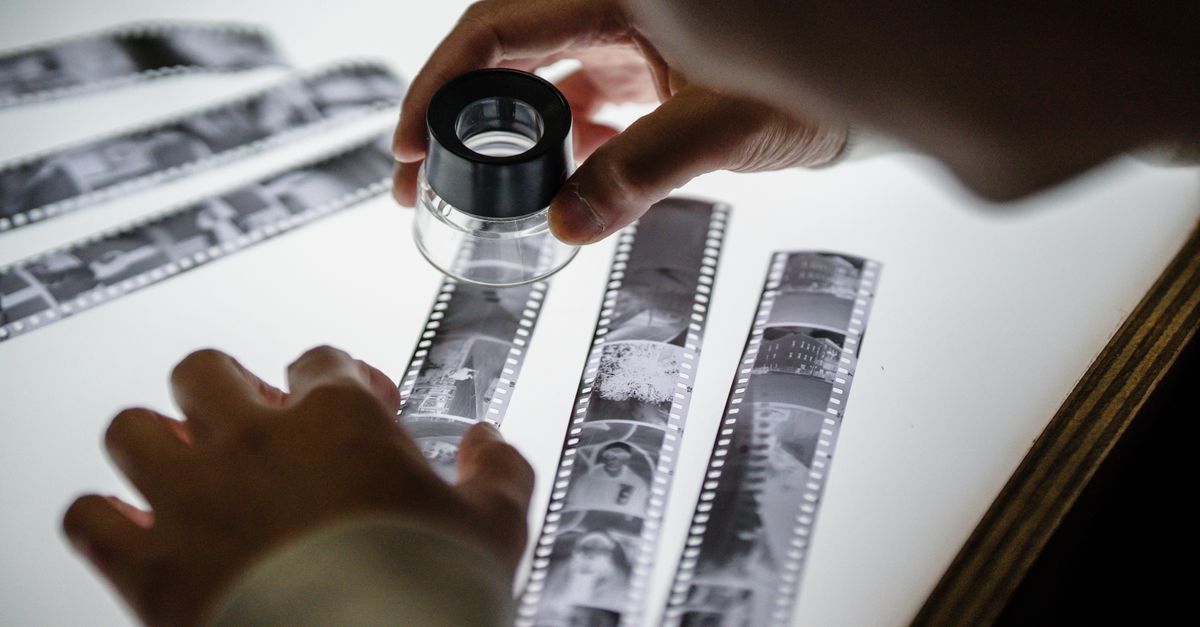
- Film photography — Nothing says "I have patience and taste" like waiting three days for 36 shots to come back from the lab.
- Vinyl collecting — The physical ritual of dropping a needle is the anti-Spotify. Bonus points if your setup cost more than your laptop.
- Sourdough and home fermentation — Yes, it peaked during lockdown. It never left the aspirational tier.
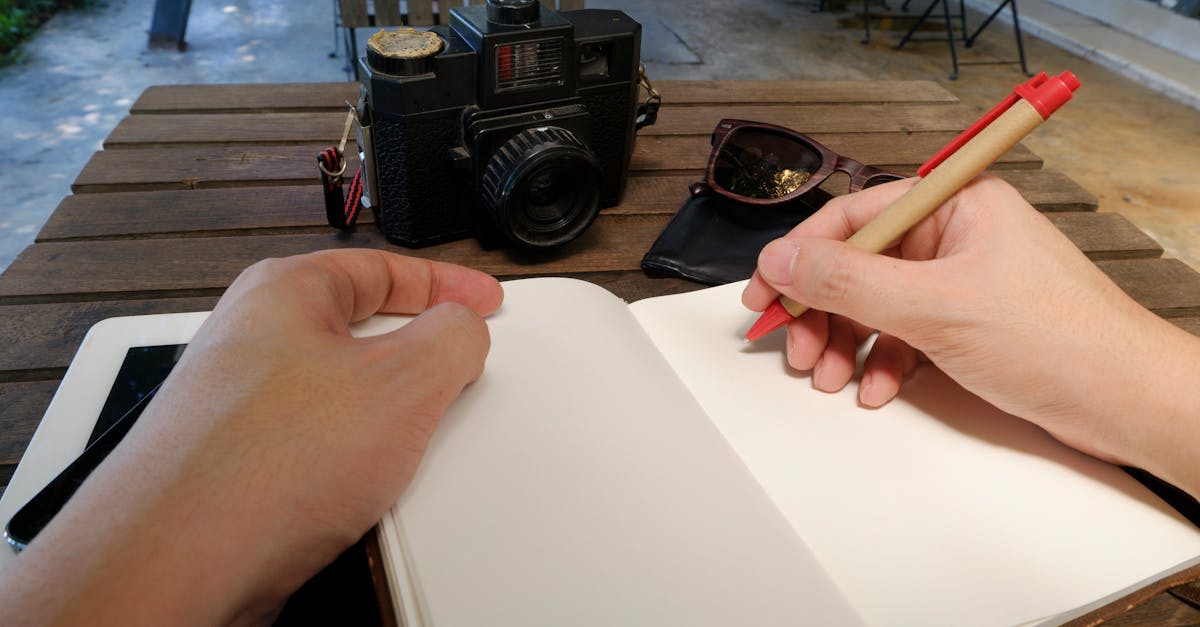
- Letter writing — A handwritten note on real stationery now lands harder than any text. People frame them.
- Analog watches with no smart features — A mechanical movement is the original dumbphone.
The Class Dimension Nobody Wants to Talk About
I need to be honest about something uncomfortable. This whole movement has a class problem.
Not everyone can afford to trade a smartphone for a $300 Light Phone and a $700 film camera. Not everyone can carve out Saturday mornings for pottery when they're working two jobs. For plenty of people, the smartphone is a lifeline — the cheapest camera, computer, map, and connection to the world they own.
So when I see dumbphone evangelists preaching from their minimalist lofts, I wince a little. The privilege of disconnection is real.
But here's the nuance: the core of digital minimalism doesn't require money. It requires decisions. Turning off notifications. Deleting three apps. Leaving your phone in another room during dinner. Those are free. The aesthetic — the vintage Nokia, the Leica, the vinyl — is optional packaging.
The signal works because of the behavior, not the hardware. The hardware just makes it visible.
How to Signal Without Being Insufferable
If you're tempted to jump on this train — and honestly, your dopamine receptors probably want you to — here's my unsolicited advice.
Don't perform it. The second you post an Instagram story about your "digital detox," you've missed the point entirely. The whole appeal of analog living is that it doesn't need an audience. The people who do it best are the ones you'd never know were doing it.
Start small. Try one of these this week:
- Leave your phone charging in a different room overnight.
- Take a walk without it. Just once.
- Buy a cheap notebook and write three sentences a day by hand.
- Cook something that takes two hours and can't be rushed.
The Real Question Isn't What Phone You Carry
Here's what I keep coming back to. Digital minimalism 2.0 isn't really about phones or hobbies or status at all. It's about a quiet realization that a lot of us hit around the same time: we gave away something precious, and we want it back.
The dumbphone is a symbol. The vinyl is a symbol. The sourdough starter on your counter is a symbol. What they all point to is a life where you're the one deciding what deserves your focus — not a recommendation engine in a data center somewhere.
Kenji told me something that night at the izakaya that I haven't stopped thinking about. He said, "I didn't get my time back by being disciplined. I got it back by making the easy thing hard."
That's the whole trick. Make distraction inconvenient. Make presence the path of least resistance.
So here's my challenge to you: for the next seven days, pick one analog thing and one digital boundary. Not because it's trendy. Not because it'll look good on your feed. But because you're curious what your own brain feels like when it's not being farmed.
Who knows. You might never go back.
And if you do buy a Nokia 3310? At least you'll finally beat your high score in Snake.


