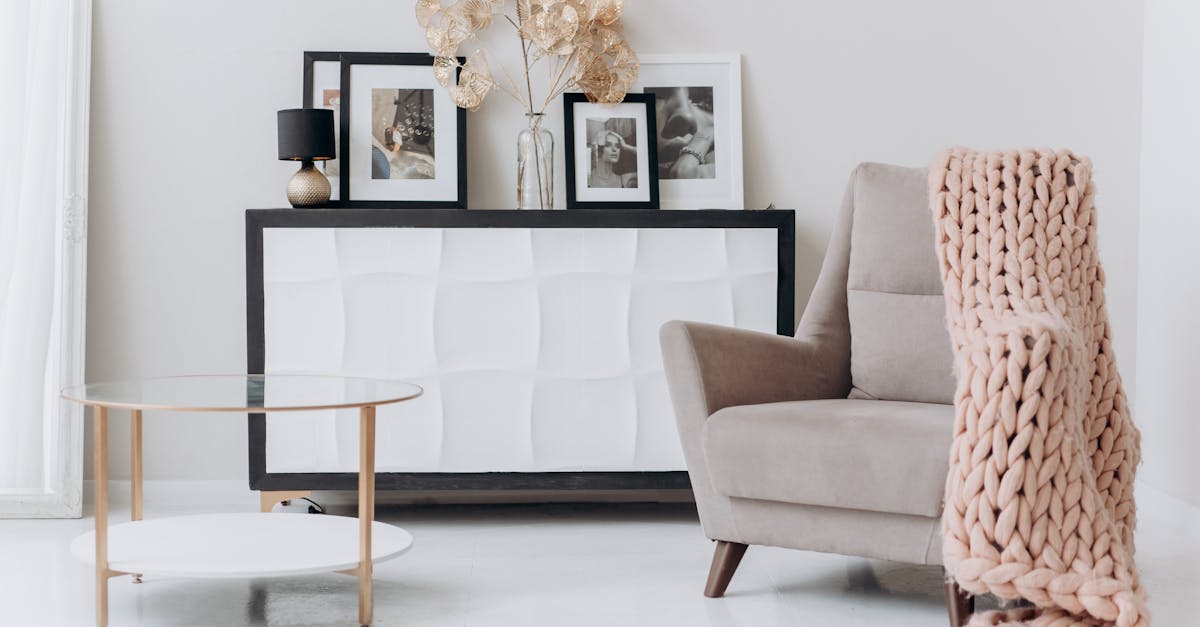
I still remember the panic. It was a Tuesday afternoon, and I was standing in my living room, surrounded by throw pillows, a faux fur blanket I never actually used, and three different types of candles that all smelled vaguely like "autumn." My coffee table had a stack of magazines from 2019, a coaster collection that somehow multiplied, and a decorative tray holding things I only moved when dusting. I looked around and thought: This isn't cozy. This is clutter wearing a sweater.
Let’s be honest — we've all been there. We chase that warm, lived-in aesthetic, and somehow end up with a space that feels more like a storage unit than a sanctuary. But here's the secret nobody tells you: you don't need more stuff to make a home feel warm. You need less, chosen better.
That’s the essence of cozy minimalism. It’s not about living in a sterile white box. It’s about decluttering your home without sacrificing warmth — and honestly, it’s the most liberating thing I’ve ever done.
The Myth of "More is More"
We’ve been brainwashed. Social media, home decor blogs, even our grandmothers — they all whisper the same lie: A cozy home must be full. Full of knick-knacks, full of textiles, full of things. But here’s what most people miss: clutter creates visual noise, and visual noise is the enemy of calm.
Think about it. When you walk into a room crammed with trinkets, do you feel relaxed? Or do you feel a low-level anxiety, like you need to tidy something? I’ve found that the coziest homes I’ve ever entered were not the ones with the most stuff. They were the ones where every object had a purpose, a story, or a feeling attached to it.

Here’s a hard truth I had to learn: warmth doesn’t come from quantity. It comes from intentionality. That chipped mug your best friend gave you? Keep it. That generic candle you bought because it was on sale? Donate it. Cozy minimalism is about editing your life down to what truly matters, and then lighting a damn candle.
The 3-Step "Warmth Filter" That Changed Everything
I used to struggle with decluttering because I was afraid. Afraid that if I got rid of things, my home would feel cold and empty. But then I developed a simple test — I call it the Warmth Filter — and it works every single time.
Step 1: The "Does This Spark Coziness?" Test Pick up an object. Hold it. Ask yourself: Does this make me feel warm, safe, or happy? If the answer is no, it’s not adding warmth — it’s adding weight. Be ruthless. That decorative bowl you never use? It’s not cozy. It’s dust.
Step 2: The "One-Object Rule" For every flat surface in your home — coffee table, nightstand, kitchen counter — limit yourself to one decorative object. Yes, one. I know it sounds extreme, but trust me. A single, beautiful object (a ceramic vase, a stack of books, a small plant) has more visual impact than a cluster of mediocre ones. It gives the eye a place to rest.
Step 3: The "Texture Swap" Here’s where the magic happens. Once you’ve removed the visual clutter, you need to add back the warmth. But not with more trinkets — with textures. A chunky knit throw. A linen curtain. A wool rug. These are the things that make a room feel soft and inviting, without adding stuff.
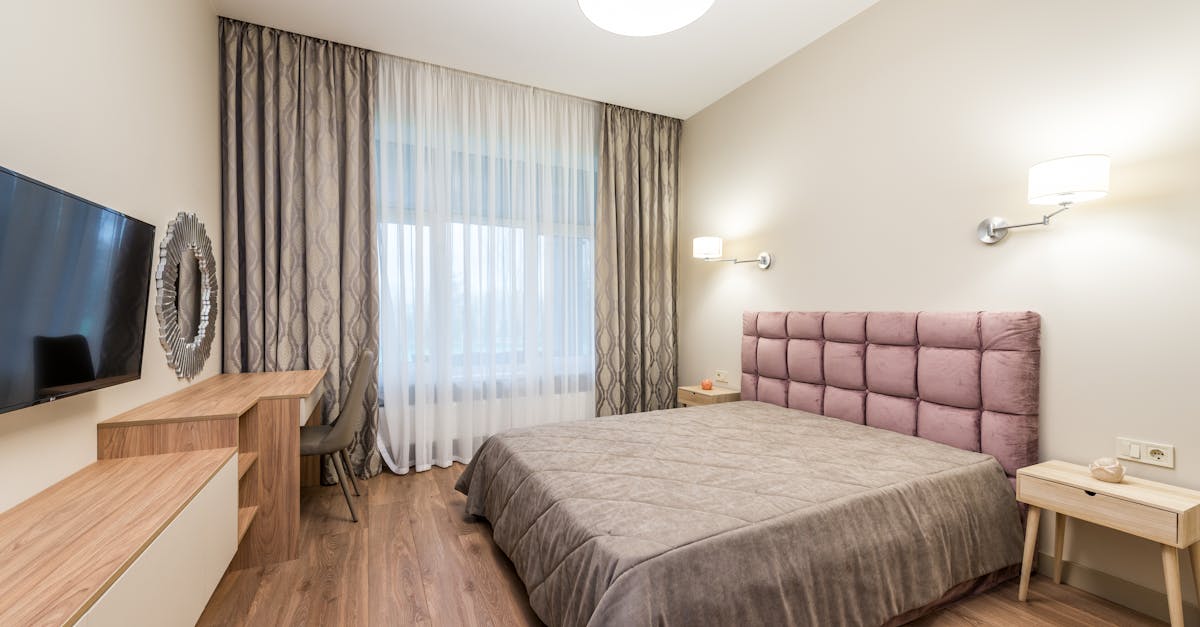
I’ve found that once you apply the Warmth Filter, you realize that 80% of your decor was just noise. And the remaining 20%? That’s where the soul lives.
The Art of "Negative Space"
Here’s a concept that blew my mind: empty space is not empty. In cozy minimalism, negative space — the gaps between objects, the bare walls, the empty corners — is actually a design tool. It creates breathing room.
Think about your favorite coffee shop. It probably has wide, open counters, a few plants, and plenty of empty wall space. You feel cozy there, right? But it’s not because they have a thousand things on the walls. It’s because the space itself feels generous.
I’ve started applying this to my own home. Instead of filling every shelf, I leave gaps. Instead of covering every wall, I let some stay bare. And you know what? The things I do display feel more special. That painting my niece made? It used to compete with a gallery wall. Now it hangs alone, and it sings.
Let’s be real for a second: negative space is uncomfortable at first. You’ll look at an empty corner and feel like you should put something there. Resist the urge. Sit with the emptiness. I promise, after a week, you’ll start to love how calm it feels.
The "Cozy Lighting" Non-Negotiable
You can have the most beautifully curated minimal home in the world, but if your lighting sucks, it will feel like a hospital waiting room. Lighting is the secret sauce of cozy minimalism.
Here’s what I’ve learned: ditch the overhead lights. Seriously. Overhead lighting is for tasks, not for living. Instead, layer your lighting: a warm-toned floor lamp in the corner, a small table lamp on the nightstand, maybe a string of fairy lights if you’re feeling whimsical.
The golden rule: Use bulbs that are 2700K or lower. That’s the warm, yellow-ish light that mimics sunset. Anything higher (like 4000K or 5000K) is daylight — great for reading, terrible for coziness.

I also swear by candles. Not the scented ones that give you a headache — just plain, unscented candles. The flicker of a real flame is something no lamp can replicate. It’s primal. It’s warm. It’s home.
Why Your "Keep Pile" Should Be Smaller Than Your "Donate Pile"
I want to end with a challenge. Most people declutter by asking: Do I use this? But cozy minimalism asks a different question: Does this help me feel at peace?
The answer is usually no.
Here’s what I’ve noticed: the things we think we need for warmth — the throw pillows, the extra blankets, the decor — are often just security blankets for our aesthetic anxiety. We’re afraid that if we remove them, our home will look bare. But bare is not the same as empty. Bare is honest. Bare is restful.
So go ahead. Be bold. Give yourself permission to have less. Donate that vase you never fill. Recycle those magazines. Remove that photo frame that doesn’t even have a photo in it. And then sit in your newly spacious room, light a candle, and feel the difference.
You won’t miss the stuff. I promise. You’ll miss the space.





