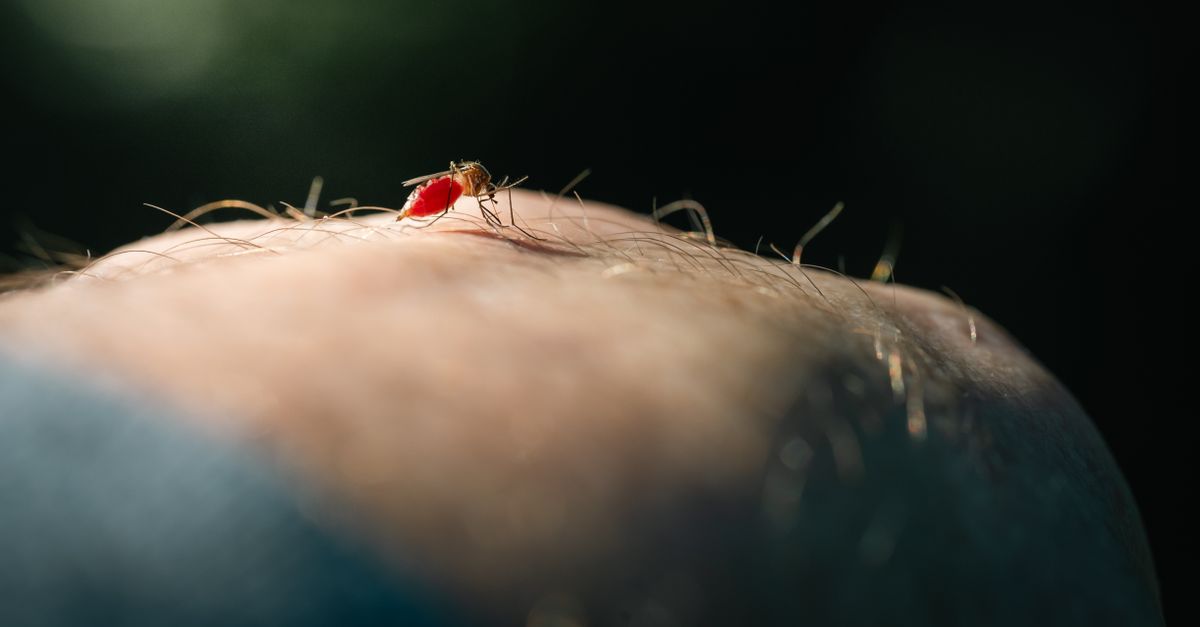
A new study indicates that climate change is altering the distribution of malaria across Africa, with East Africa experiencing the most significant shifts. The research, reported by The Eastleigh Voice, suggests that rising temperatures and changing weather patterns are pushing the disease into new areas, particularly highland regions that were previously considered low-risk.
The findings, published in early August 2026, highlight a growing threat for millions of people in Kenya and neighboring countries. According to The Eastleigh Voice, the changing climate is enabling malaria-carrying mosquitoes to survive at higher altitudes, exposing communities that have little natural immunity to the disease. This geographic expansion is redrawing the continent's malaria map, creating new hotspots while potentially easing conditions elsewhere.
The study also presents a complex picture for the rest of the continent. While East Africa is bracing for increased transmission, separate reporting from New Scientist suggests that climate change could help eliminate malaria from parts of West and Central Africa. These regional differences underscore how shifting temperatures and rainfall patterns are creating uneven outcomes, with some areas becoming more dangerous while others become less hospitable to the parasite.

The research builds on a broader body of work examining the link between climate and childhood malaria. YaleNews has reported that climate change is likely worsening childhood malaria cases, adding urgency to the findings. The Nature-published study referenced in the reporting provides a historical and forward-looking analysis of how these trends may evolve.
Public health officials and researchers will be watching how these shifting patterns affect malaria control strategies. The key question is whether current prevention and treatment programs can adapt quickly enough to protect newly vulnerable populations in East Africa's highlands.



