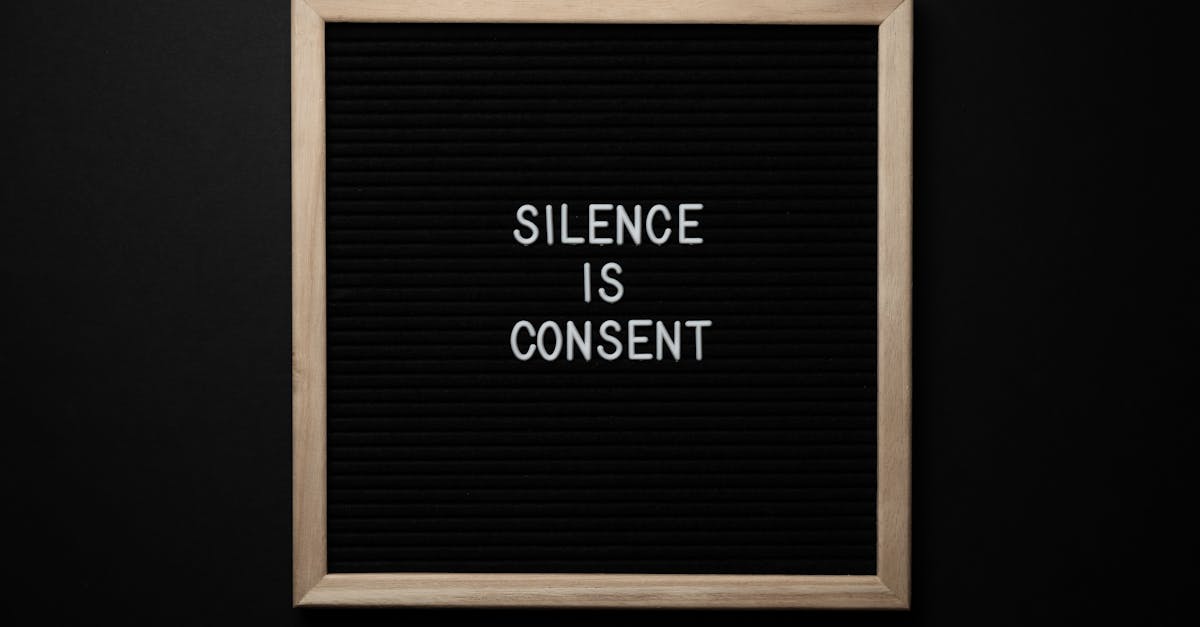
Cancel culture is dead. Long live accountability.
Let’s be honest about what has actually happened over the last three years. The internet has mellowed out. The mobs that used to sharpen their digital pitchforks at 2 PM EST have largely logged off, or at least, they’ve stopped screaming. But don't mistake the silence for mercy.
I’ve found that the most dangerous evolution of any cultural phenomenon is when it stops looking like itself. We spent 2020 and 2021 arguing about "cancel culture" as if it were a monster under the bed. We were looking at the wrong bed. The monster didn't die; it just learned to wear business casual.
The shift we are living through right now is from Public Shaming to Private Accountability. And honestly? It is far more effective—and far more terrifying.
The End of the Screaming Match
Remember the good old days? When a brand tweeted a poorly worded graphic and the entire timeline turned into a digital lynch mob within six hours? It was messy, loud, and honestly, performative.
The problem with the old model was that it was too easy to game. Everyone was performing outrage for their own algorithm. The person being "canceled" would post a non-apology apology, the news cycle would move on by Thursday, and the brand would quietly return by the following quarter. It was a circus, not a justice system.
Here’s what most people miss: The noise was the defense mechanism. When you attack someone publicly, they can rally sympathy. They can play the victim of the mob. The spotlight gives them a stage to spin the narrative.
But silence? Silence is a vacuum. And vacuums suck the life out of you.
The Rise of the Quiet Delete
We are now seeing a different beast. It doesn't happen in the replies section. It happens in HR departments, in private Discord servers, and in "alignment calls."
I’m talking about the "Quiet Delete." This is when a creator or executive doesn't get publicly dragged, but they suddenly find their funding pulled, their partnerships "paused," or their invitations to events "lost in the mail." There is no statement. There is no trial. There is just a sudden, icy silence from the industry.
I’ve seen this happen to a mid-tier tech founder who made a cringe joke on a private Slack channel. It wasn't leaked to Twitter. It wasn't blasted on the news. Instead, one of the attendees simply mentioned it to a VC friend. Within two weeks, the founder’s seed round was "re-evaluated." No drama. No viral moment. Just a career quietly deflating.
This is the new accountability model. It is institutional, not social.
Why did this happen? Because brands realized that firing someone publicly for a public outrage also draws attention to the brand. They don't want to be in the news cycle at all. So, they handle it like a leaky pipe—they fix it behind the walls, where no one can see the damage.
The "Perp Walk" is Replaced by the "Pipeline"
Let’s get one thing straight: I don't miss the mob. I really don't. As a blogger, I’ve seen what happens when a half-baked rumor hits the front page. It destroys lives with zero evidence.
But I also can't pretend the new system is "kinder." It’s actually more insidious.
In the public model, you knew your enemy. You could see the tweets, read the hate comments, and understand the reason for your downfall. In the private model, you are just frozen out. It’s like being ghosted by a lover you lived with for five years.
Here is where the logic gets twisted:
- Public Shaming was about deterrence. It said, "If you do this bad thing, we will humiliate you."
- Private Accountability is about risk management. It says, "If you do this bad thing, we will simply stop doing business with you, and we won't tell anyone why, so we don't have to deal with your lawyers."
Why the Silence is Worse
I recently spoke to a writer who was "quietly dropped" from a production company after an old insensitive tweet resurfaced. The tweet was bad, sure. But the response was bizarre.
The production company didn't fire her. They just... stopped returning her emails. Her agent called them. They said they were "recalibrating the project scope." She knew exactly what it meant. She had been canceled, but without the courtesy of a public verdict.
I’ve found that this creates a specific kind of psychological torture. In the old days, you could close your laptop and take a break from the abuse. Now, the abuse is the absence of communication. It is the silence in the room when you walk in. It is the meeting that gets moved to "next month" indefinitely.
This is the hidden truth of the quiet evolution: It has moved the punishment from the social sphere to the economic sphere. And economic punishment is silent, surgical, and permanent.
The Algorithm of Avoidance
Why did this shift happen? It’s not because we got nicer. It's because the algorithm got smarter.
Social media platforms realized that outrage is bad for user retention. Sure, it drives short-term engagement, but it burns people out. We stopped clicking on "drama" threads. We started clicking on "cozy" content and "ASMR." The algorithm followed our dopamine.
So, the "hate mob" is no longer being amplified. But the data is still there.
Companies now use social listening tools that don't look for mentions of their brand; they look for patterns of association. If you are a podcast host and you have a guest on who is "controversial," the algorithm flags your show as "high risk." You don't get canceled. You just get deprioritized.
It’s a cold, data-driven blacklist. You don't know you're on it until you check your download stats and see a 70% drop.
So, Is This Better?
Here is where I land on the fence, and I think you should too.
On one hand, I hate the mob. I hate the performative cruelty. I hate that a misworded joke could end a 20-year career in a single afternoon. The shift to private accountability has allowed for nuance. It allows a person to make a mistake and fix it without being publicly drawn and quartered.
On the other hand, the lack of transparency is dangerous. When we punish people in public, we can debate the fairness of the punishment. We can say, "That was too harsh," or "That was deserved." But when the punishment happens behind closed doors, there is no debate. There is no appeal. It is just a silent execution.
We are moving from a system of public justice (flawed as it was) to a system of corporate discretion. And let's be honest—corporations are not known for their moral clarity. They are known for their risk aversion.
I've seen people get "quietly dropped" for things that were clearly misunderstandings, and I’ve seen people get "quietly dropped" for things that were genuinely abhorrent. The outcome is the same: silence.

The New Rules of Survival
If you are a creator, a writer, or just someone with a public presence, you need to update your playbook. The old rules were "Don't tweet that." The new rules are more nuanced.
- Audit your associations: You are judged by your network. If your network is toxic, you are toxic by proxy, even if you never said a word.
- Beware the "Good Fit" lie: If you get rejected from a job or a project with "cultural fit" issues, dig deeper. It might be a shadow ban.
- Document everything: In a private system, your word means nothing. If you have receipts of your behavior, keep them. The only defense against silent cancellation is a paper trail that proves your innocence (or your growth).
- Ignore the loud voices, fear the quiet ones: The person tweeting hate at you is a nuisance. The person who smiles at you in a meeting and then never follows up is a threat.
The Bottom Line on Accountability
We wanted a more civilized way to handle bad behavior. We got one. But we forgot to ask who gets to decide what "bad behavior" is.
The irony of cancel culture’s evolution is that we handed the power back to the institutions we originally created it to fight. The mob has been disarmed, but the monarchy has returned. Only this time, the king doesn't have a face—he has a terms of service agreement.
I don't have a clean answer for you. I just know that we traded the chaos of the public square for the order of the corporate boardroom. And while the boardroom is quieter, it is not safer.
We are all just one "recalibrated project scope" away from disappearing.
**


