
Here’s the thing about climate change that nobody talks about at dinner parties: by 2050, over 200 million people could be permanently displaced by climate-related events. That's not a projection from some fringe environmental group—that's from the World Bank. To put that in perspective, that's almost two-thirds of the entire population of the United States, uprooted, searching for new homes, new jobs, new lives. We hear about floods, fires, and heatwaves in the news, but we rarely connect the dots to the human migration they trigger. Let's connect those dots.
The Great Unseen Exodus
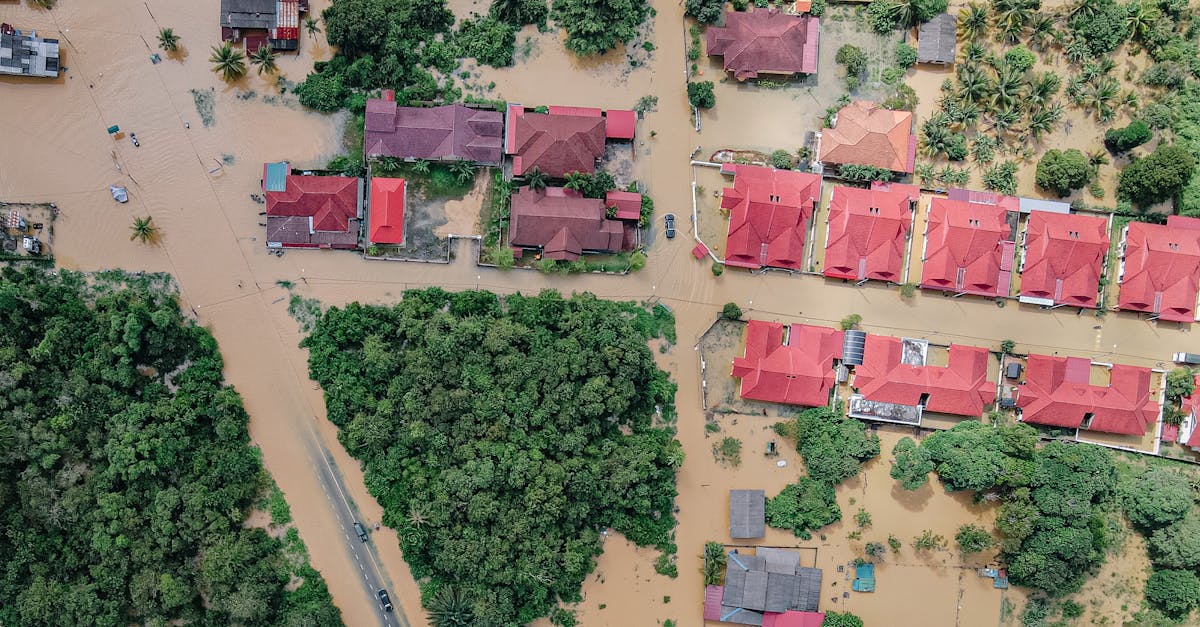
We tend to think of migration as a choice—a decision driven by opportunity, education, or maybe a better job. But climate migration isn't a choice; it's a survival instinct. I've found that most people still imagine a climate migrant as someone fleeing a sudden hurricane. That happens, sure. But the bigger story is the slow, creeping disaster.
Think about the Sahel region in Africa, where the Sahara Desert is expanding southward at an alarming rate. Farmers watch their fields turn to dust over years, not minutes. Or consider the Mekong Delta in Vietnam, where saltwater intrusion from rising seas is slowly poisoning rice paddies. These aren't breaking-news moments. They are slow-motion tragedies unfolding over a decade.
Here's what most people miss: climate migration is already happening at a scale we aren't tracking. Governments don't have a "climate refugee" category. When a farmer in Guatemala leaves because three consecutive droughts destroyed his corn crop, he's called an "economic migrant." But the root cause? Climate change. We're essentially seeing a global, unlabeled migration crisis.
Where Are People Going? (Spoiler: It's Not Canada)
Let's bust a myth: most climate migrants aren't moving to wealthy, temperate countries. The narrative of "floods of people heading to Europe or America" is largely a political scare tactic. The reality is much uglier and, frankly, more boring.
The vast majority of climate migration is internal and regional. People move from rural areas to cities within their own country, or to neighboring nations.
- Bangladesh: Rising sea levels and cyclones push millions into Dhaka annually. The city's slums swell with climate-displaced families.
- Central America's Dry Corridor: A decades-long drought is pushing farmers from Honduras, Guatemala, and El Salvador toward cities or northward. The "migrant caravans" we saw? Climate was a massive, underreported driver.
- Sub-Saharan Africa: Conflict over dwindling resources (water, grazing land) is often climate-driven migration in disguise. The UN calls it a "threat multiplier."

The Numbers That Keep Me Up at Night
Let's get into the why behind the headline. I'm not a climate scientist, but I can read data, and the data is terrifying.
According to the Internal Displacement Monitoring Centre (IDMC) , over 30 million people were internally displaced by weather-related disasters in 2022 alone. That's more than the entire population of Australia. And that's just weather-related — earthquakes and volcanoes are a separate category.
Here’s the kicker: that number is expected to double by 2050. We aren't talking about a slow trickle. We're talking about a demographic tsunami.
Three key drivers that most coverage misses:
- Food Insecurity: When crops fail for five years in a row, people don't just get hungry—they leave. The UN's World Food Programme has linked food insecurity spikes directly to displacement events.
- Water Scarcity: The World Resources Institute says 17 countries are under "extremely high" water stress. When the well runs dry, the village empties.
- Heat Stress: It's not just about sea levels. Extreme heat makes outdoor labor impossible in parts of South Asia and the Middle East. Workers can't farm, build, or even walk outside safely. They have to move.
The Legal Black Hole Nobody Wants to Fix
Here's where my blood starts to boil. Legally, "climate refugee" doesn't exist. The 1951 Refugee Convention defines a refugee as someone fleeing persecution based on race, religion, nationality, or political opinion. It says nothing about fleeing a desertified farm or a flooded island.
This legal vacuum is a disaster waiting to happen. When the Pacific island nation of Tuvalu eventually becomes uninhabitable (projected within 30-50 years), those people will have no legal standing under international law. They won't be refugees. They'll be stateless climate exiles.
I've read the policy papers. Governments know this is coming. They just don't want to deal with it because it opens a Pandora's box of liability and resource allocation. Let's be honest: developed nations, who burned the most fossil fuels, are legally and morally responsible for these people. But nobody is stepping up to create a new legal framework. It's the elephant in every climate summit.

The Hidden Cost: Cities That Weren't Built for This
We think of cities as havens of opportunity. But what happens when millions of climate migrants show up in places like Lagos, Karachi, or Jakarta — cities that are already bursting at the seams?
The strain is immense. Housing becomes slums. Sanitation systems fail. Water supplies become scarce. And tensions rise between established residents and new arrivals. We're already seeing this play out in places like Mogadishu, Somalia, where climate-displaced pastoralists have overwhelmed the city, leading to clashes over resources.
The World Bank estimates that climate migration could increase the urban population of Sub-Saharan Africa by 50% by 2050. That's not urban growth—that's urban explosion, without the infrastructure to support it. This isn't just a humanitarian crisis; it's a recipe for social instability and conflict.
What Can We Actually Do About It?
I'm not a pessimist by nature. But I also don't believe in fairy tales. We aren't going to stop climate migration. The physics of the atmosphere is already set. The carbon we pumped in the 1990s is still warming the planet today.
So what do we do?
We adapt. We prepare. We build systems.
- Planned Relocation: Countries like Fiji are already moving entire villages inland. We need a playbook for this.
- Climate-Resilient Infrastructure: Building sea walls is expensive. But building new housing for displaced people in safe zones is cheaper than emergency response later.
- Legal Recognition: We need a new treaty or protocol that recognizes "climate-displaced persons" and grants them rights, pathways to citizenship, and support.
- Investment in Origin Communities: The best solution is to help people stay. Investing in drought-resistant crops, water harvesting, and renewable energy can reduce the pressure to leave.
Final Thought: This Is the Story of Our Time
I started this blog because I believe the news cycle is broken. We get fire, flood, storm, then we move on. But the story doesn't end when the rain stops. It begins. The movement of people—200 million people by 2050 —will redefine borders, economies, cultures, and politics.
We aren't ready. The political system isn't ready. The legal system isn't ready. And most of all, our collective imagination isn't ready.
But you are. You read this far. You see the connection between a drought in Guatemala and a migrant at the US border. You see the link between a flood in Pakistan and a new slum in Karachi.
The question isn't if this will be the defining story of the next decade. It's whether we'll have the courage to write a better ending.



