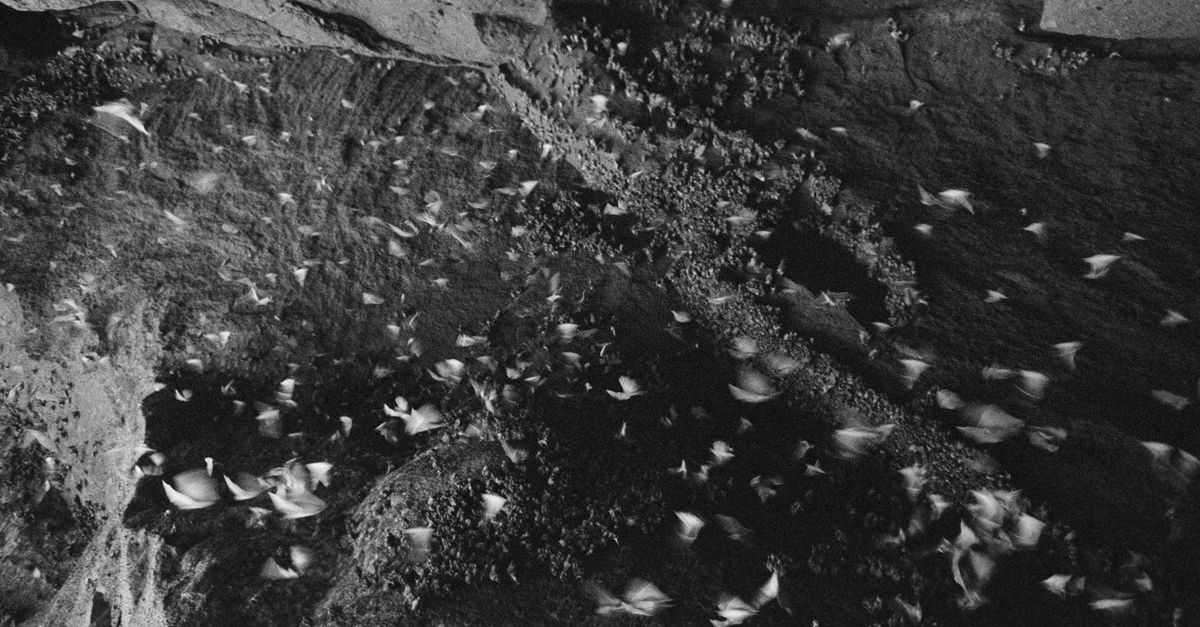
A large international study combining reference genomes with fossil evidence has revised the evolutionary tree of bats and shifted where scientists believe the animals first appeared, Mirage News reports. According to the outlet, the work redefines the family relationships among bat species and redraws their geographic history.
The Guardian reports that the findings place the origin of bats in Europe, a conclusion that changes the long-standing picture of how mammals are related. The Washington Post describes the research as a landmark study and examines what it says about where bats came from. Live Science likewise reports that the first bats did not emerge where researchers had previously assumed, based on the genetic analysis. Nature, which published the underlying research, frames the results as a revision of bat phylogeny and biogeography built on reference genomes and fossils.
The coverage centers on two kinds of evidence: genetic reference material and the fossil record. Together, according to the reporting, they support a new arrangement of the bat family tree and a new account of the group's spread across the globe. The study's reach is described as global, though the reports summarized here do not detail the specific institutions, researchers or species involved.

Because only the headlines and summaries of these reports are available, further specifics — such as the number of genomes analyzed, the age of the fossils, or the exact timing of the proposed European origin — cannot be confirmed from this material.
What to watch next: whether follow-up studies and additional fossils support the European origin hypothesis or challenge the revised tree.



