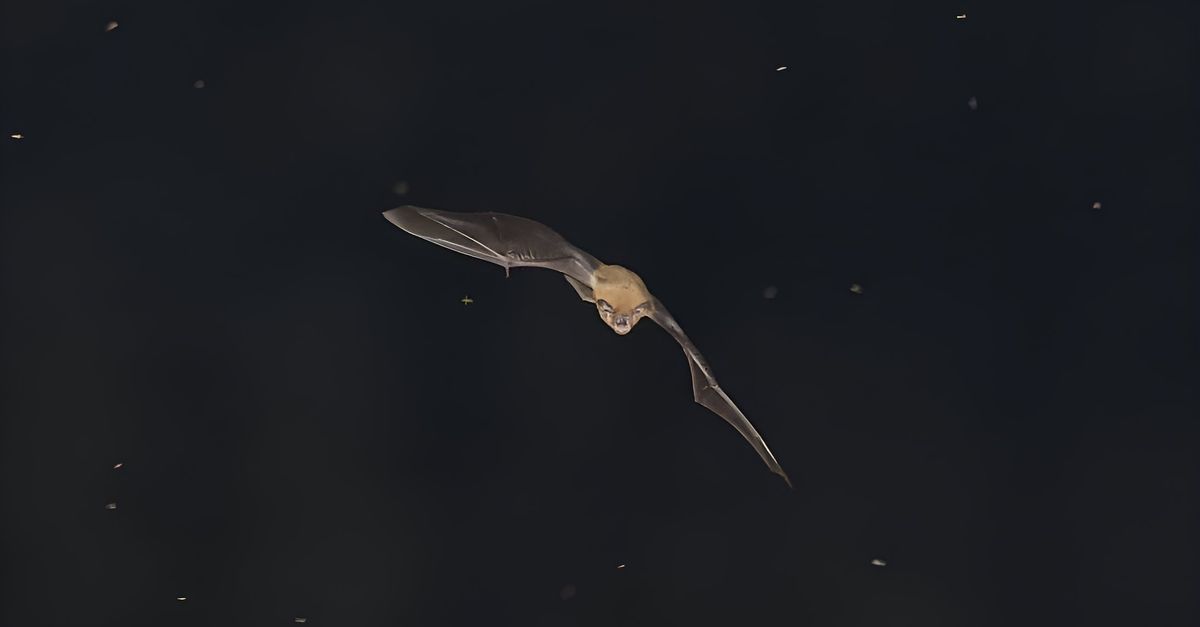
A newly published study has revised the family tree of bats and traced their evolutionary history back roughly 65 million years, according to GMA Network. The work draws on reference genomes and fossils to rework how bat families are related to one another and how they spread across the globe, Nature reports.
Coverage of the findings describes the results as a surprise about where bats came from. StudyFinds reports that bats likely originated in Europe around 60 million years ago, a conclusion that shifts the picture away from earlier assumptions about their geographic origins. Euronews also reported that scientists uncovered an unexpected detail about the animals' beginnings.
The reports frame the study as a reworking of bat phylogeny — the branching pattern that maps how species and families are connected — alongside biogeography, which tracks where those lineages lived over time. The Bryan College Station Eagle described the research as revealing a 65-million-year evolutionary history for the group.

Bats are the only mammals capable of powered flight, and their deep history has long been difficult to pin down from fossils alone. The new analysis combines genetic reference material with the fossil record, which the reports present as the basis for the revised relationships and origin story.
Further details on the specific lineages affected, and any response from other researchers in the field, have yet to emerge. Watch for follow-up studies testing whether the proposed European origin holds up against additional fossil discoveries.



