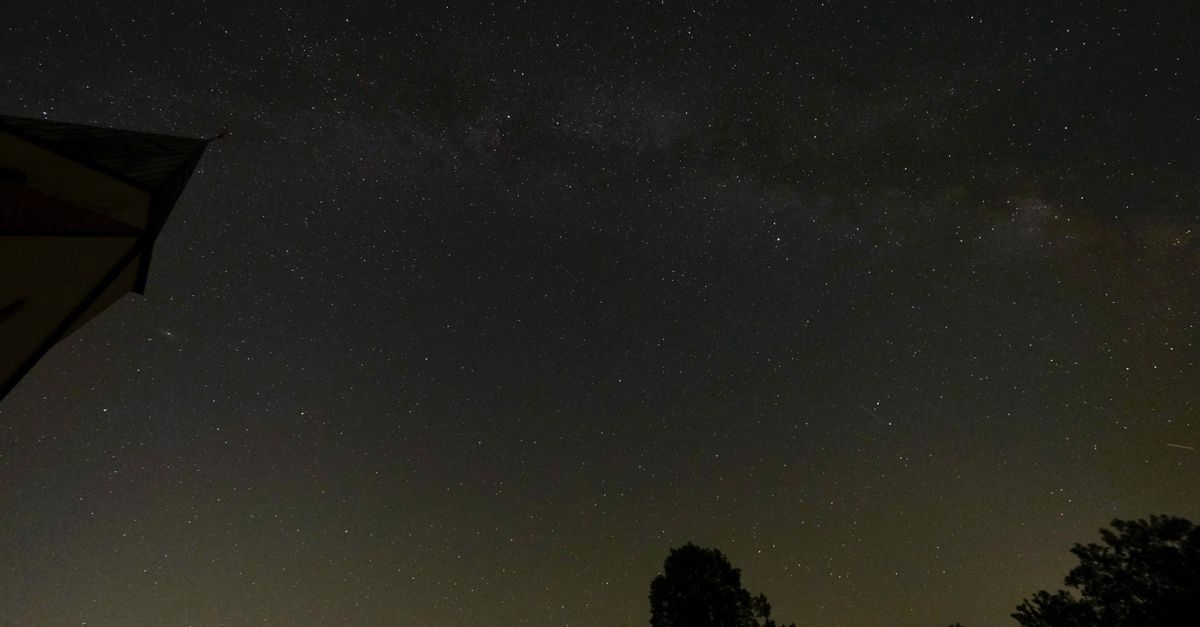
Astronomers have uncovered evidence of an ancient, previously unknown galactic merger at the heart of the Milky Way, according to a report from Media INAF. The finding, published on August 17, 2026, points to a collision that occurred roughly two billion years after the Big Bang.
The discovery was made by studying the dense inner regions of our galaxy, where the remnants of this early cosmic encounter are thought to be preserved. Media INAF describes the event as a primordial galactic fusion, one that took place when the Milky Way was still in its infancy.
The merger appears to have involved a smaller galaxy that was absorbed into the Milky Way’s core. This process, known as galactic cannibalism, is common in the universe, but this particular event had not been identified until now. The finding is based on analysis of stellar populations in the galactic bulge, the crowded central area of the Milky Way.
Other outlets, including RaiNews, La Stampa, and Adnkronos, have also covered the discovery, highlighting its significance for understanding how large galaxies like ours grow over time. The collision likely contributed to the structure and composition of the Milky Way’s inner regions, shaping the stars we see there today.

The research adds a new chapter to the story of our galaxy’s formation, suggesting that its early history was more turbulent than previously thought. It also offers indirect clues about the conditions that led to the emergence of our solar system, as the merger would have influenced the galactic environment long before the Sun existed.
What to watch next: follow-up studies may reveal whether other hidden mergers are buried deeper in the Milky Way’s core, further refining our timeline of galactic evolution.



