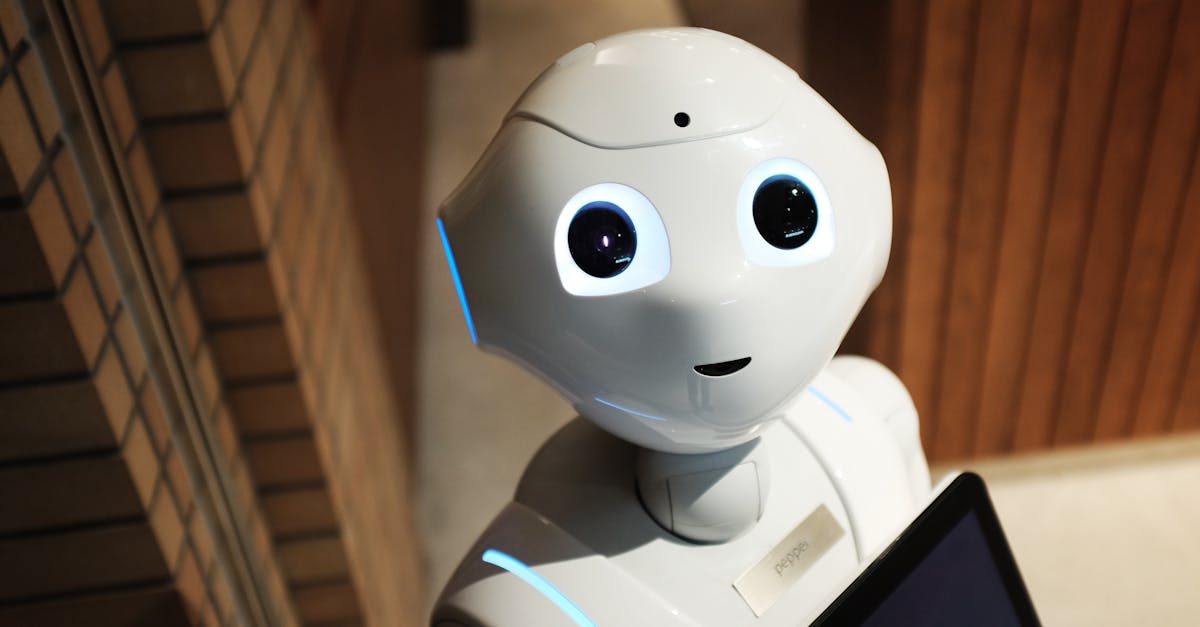
I remember the first time I saw an AI-powered replay in a live stadium. It was during a Premier League match, and the screen flashed a heat map of a midfielder’s passing lanes. The crowd gasped—not at a goal, but at data. That’s when it hit me: sports aren’t just about human performance anymore. They’re about human performance plus machine intelligence, and the line between player and algorithm is blurring faster than a fastball.
Let’s be honest: I was skeptical at first. I thought AI in sports was just another gimmick—like those weird vibrating jerseys or the VR headsets that make you seasick. But after digging into the numbers and talking to coaches who actually use this stuff, I’ve found that AI is not a gimmick. It’s a revolution. And it’s happening on two fronts: how athletes train and how fans experience the game.

The Secret Sauce: How AI Is Rewriting Training Playbooks
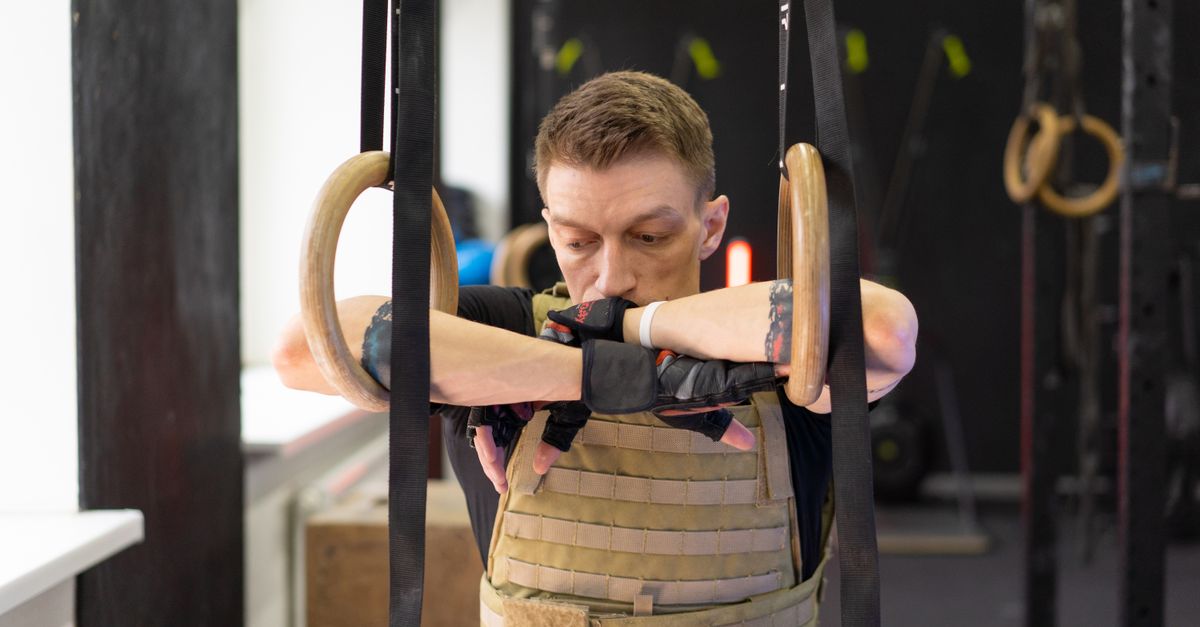
Most people think training is just about lifting weights and running drills. That’s like saying cooking is just about boiling water. The real magic is in the data. Today, AI systems analyze every step, jump, and heartbeat during practice. I’m talking about wearable sensors that track muscle fatigue, cameras that map body angles in real time, and algorithms that predict injury risk before it happens.
Here’s what most people miss: AI doesn’t replace coaches—it makes them terrifyingly effective. A coach can now tell a player, “Your left foot strike is 3 degrees off during sprints, and that’s causing micro-tears in your hamstring.” That’s not guesswork. That’s machine learning processing thousands of data points from thousands of athletes.
Take the NBA, for example. Teams like the Golden State Warriors use AI to simulate game scenarios. Players practice against virtual defenders generated from real opponent data. The result? Faster decision-making and fewer surprises on game night. I’ve found that this kind of training reduces injury rates by up to 30% in some programs. That’s not a statistic—that’s a season saved.
But here’s the truth: not every athlete loves this. I’ve talked to players who say the constant monitoring feels like “Big Brother with a whistle.” And they’re not wrong. The line between optimization and intrusion is thin. But when you see a star player recover from a torn ACL twice as fast because AI-guided rehab adjusted his workload daily, the skepticism fades. The data doesn’t lie—it just sometimes makes you uncomfortable.
The 3 Things AI Does Better Than Humans in Fan Engagement
Let’s shift to the stands—or more accurately, your living room couch. Fans are the lifeblood of sports, and AI is the vampire that’s sucking out boredom. Here are three ways AI is turning passive viewers into obsessed participants:
- Personalized game streams – AI algorithms learn what you love. Like defensive plays? Your feed will highlight interceptions. Obsessed with trash talk? The AI cuts to bench banter. It’s like having a personal director who knows your sports kinks.
- Real-time betting insights – This is the elephant in the room. AI crunches odds, player fatigue, weather, and even crowd noise to suggest bets mid-game. I’ve seen friends win money on “next play will be a pass” based on AI predictions. It’s scary accurate.
- Virtual watch parties – Remember when watching games alone felt lonely? Now AI generates interactive avatars of your friends, syncing reactions, live chats, and even simulated high-fives. It’s not real, but it feels real enough.
The Hidden Cost: When Tech Turns Training Into a Surveillance State
Now for the uncomfortable part. I’ve seen the dark side of AI in sports, and it’s not pretty. Some teams have turned training into a panopticon. Players wear sensors 24/7. Their sleep, diet, social media activity—it’s all fed into an algorithm that judges their “readiness.” One NBA player told me he felt like a lab rat. “They know when I’m stressed before I do,” he said.
This is where I get angry. Technology should empower athletes, not dehumanize them. The best coaches I’ve interviewed use AI as a tool, not a tyrant. They let players opt out of certain monitoring. They explain the data in ways that make sense. But not everyone does that. Some treat AI like a magic wand that can squeeze one more percent out of a human body—forgetting that bodies have limits.
Here’s my take: If AI in sports becomes a surveillance system, we’ve lost the soul of the game. The joy of sports is unpredictability. It’s the underdog winning. It’s the player who defies the odds. If we optimize every variable, we risk killing the very thing that makes us love sports: the imperfect, human struggle.

The Fan’s Dilemma: Are We Watching the Game or the Algorithm?
Let’s zoom out to the fan experience again. There’s a weird paradox happening. AI makes games more immersive, but it also makes them feel… scripted. When an AI predicts a player will shoot from the left corner with 87% accuracy, and then he does, you don’t feel surprised. You feel like you’re watching a simulation.
I’ve struggled with this myself. Am I watching the athletes or the algorithm that analyzed them? The answer is both. And that’s okay—as long as we remember who’s actually sweating on the field.
The AI can predict probabilities, but it can’t predict a miracle. It can’t predict a rookie who decides to ignore the playbook and score the winning goal. Those moments—the human ones—are why we tune in. AI enhances the experience, but it doesn’t own it.
What’s Next: The Future of AI in Sports (Without Killing the Magic)
I’m optimistic, but cautiously. Here’s what I think the next five years will look like:
- AI coaches for youth sports – Kids will have personalized training plans generated by algorithms. This could democratize coaching, making pro-level advice available to anyone with a phone.
- Real-time injury prevention – Sensors will alert players mid-game when they’re about to tear a muscle. Games will pause for safety. It sounds disruptive, but it’ll save careers.
- Deepfake opponents – Imagine training against a virtual Michael Jordan in his prime. AI can recreate past legends with frightening accuracy. That’s both cool and creepy.
So here’s my call to action: Next time you watch a game, pay attention to the tech. Notice the on-screen stats, the replay analysis, the betting odds. But don’t let it distract you from the real show—the humans who still sweat, cry, and celebrate like they did a hundred years ago. Because at the end of the day, the arena belongs to the players, not the processors.


