
Let’s be honest: if you fell asleep in 2019 and woke up today, you wouldn’t recognize the cultural landscape. It’s not just that fashion changed or that we have new slang—the entire operating system of how we live, work, and interact has been rebooted.
We tend to think culture shifts happen gradually, like erosion. But this decade has felt more like a tectonic plate collision. We didn't just evolve; we jumped. And while everyone is busy arguing about the symptoms (cancel culture, AI art, quiet quitting), most people are missing the root causes.
I’ve spent the last few years glued to the trends, the data, and the discourse, and I’ve found that the shifts we’re living through aren't random. They are structural. Here are the 9 culture shifts that have truly defined the decade so far—and why they are permanent.
The Death of the "Monoculture" (And Why We Panicked)
Let’s start with the big one. For decades, culture was a shared experience. You watched the same Super Bowl, laughed at the same sitcom, and discussed the same water-cooler moments the next morning. That is gone. We have officially shattered the monoculture.
The culprit isn't just streaming; it's the algorithm. We are no longer a society watching the same thing; we are a collection of micro-audiences watching our own personalized feeds. The "Super Bowl" of content now happens in niche subreddits and Discord servers.
Here’s what most people miss: this isn't a bad thing. Sure, we lost the shared water cooler, but we gained deep, tribal belonging. The shift from "broadcast" to "narrowcast" means that if you have a weird obsession with, say, antique restoration or ASMR cooking, you can find your people instantly. The panic over the "death of the shared experience" was just the sound of the old guard realizing they no longer control the narrative.
The Rise of the "Portfolio Life"
For the last fifty years, we defined ourselves by our job title. "What do you do?" was the first question at every party. The culture shift here is seismic: we are separating our identity from our labor.
I’ve found that the pandemic didn't just change where we work; it changed how we value work. We entered the decade obsessed with "hustle culture" and "girl bosses," and we are leaving it (hopefully) with a collective eye-roll. The new status symbol isn't burnout; it's boundaries.
The "portfolio life" means you have a main gig, a side hustle, a passion project, and a family life, all running concurrently. We aren't climbing a single corporate ladder anymore; we are building a jungle gym. The shift is from "I am an accountant" to "I do accounting, but I also paint, and I coach soccer, and I'm learning Japanese." It’s messier, but it’s infinitely more resilient.

The Algorithm as a Cultural Gatekeeper
This is the uncomfortable one. We like to think we choose our culture, but the reality is that the algorithm is the new tastemaker.
In the 2010s, we trusted human editors at magazines and record labels. Today, the "For You" page decides what is cool. This shift has changed the texture of our culture. Songs are written to sound good on a TikTok snippet, not a full album. Movies are edited for the 15-second clip that will go viral, not the narrative arc.
I’ve found that this creates a specific kind of cultural ADHD. We consume in bites, not meals. The danger here isn't just a short attention span; it's that we are optimizing for engagement rather than enrichment. We aren't watching what we like; we are watching what the algorithm thinks we will stop scrolling for. That is a subtle but massive loss of agency.
The Reclamation of "Boring" (Analog is the New Luxury)
Here is the counter-movement to the digital saturation. In a world where everything is smart, boring is becoming a luxury brand.
We saw it in the rise of "dumb phones" for Gen Z and the explosion of vinyl record sales. It’s in the aesthetic of "grandmillennial" style—frilly curtains, needlepoint, and floral wallpaper. The culture shift here is a rebellion against frictionless digital life.
Why is this happening? Because when everything is convenient, nothing is memorable. I’ve found that the tactile experience—turning a page, dropping a needle on a record, kneading dough—grounds us in a way that swiping cannot. The culture is shifting toward "analog nostalgia," but it’s not about being old-fashioned. It’s about reclaiming control over our pace. If the 2020s are defined by speed, the counter-culture is defined by deliberate slowness.
The "Micro-Fame" Economy
Forget the 15 minutes of fame; we are now living in the 15-second fame cycle. Micro-fame has replaced celebrity.
The culture shift here is the democratization of attention. You don't need a studio or a network to reach millions; you need a smartphone and a hook. This has blurred the line between "consumer" and "creator" completely. Everyone is now a broadcaster.
But here is the twist I don't think we talk about enough: this has made us less impressed by fame. Because we see how the sausage is made (and because we all have a shot at it), we devalue the celebrity status. We don't look up to influencers; we look at them, often with a mix of envy and pity. The shift is from "worship" to "transactional engagement." You are famous, but you are also just a link in my feed.
The Blurring of Work and Life (And the Fight Back)
We talked about the portfolio life, but the physical blurring of work and life is a culture shift with huge consequences. The office is dead; the "third space" is the new frontier.

For a century, we had Home, Work, and "Other." The "Other" (bars, clubs, gyms, libraries) was where community was built. We are now seeing a cultural push to reclaim these "third spaces." The shift is visible in the rise of co-working cafes and the death of the traditional 9-to-5.
We are fighting back against the "always-on" culture by demanding physical separation again. The trend of "bed rotting" and "doom scrolling" in bed isn't laziness; it's a protest against a culture that wants us to be productive in every corner of our lives. The next big cultural swing will be the re-institutionalization of leisure.
The "Authenticity Paradox"
We have entered the era of the "Authenticity Paradox." We demand that celebrities and brands be "real," but we punish them when their reality is messy. We are obsessed with the unpolished, but only when it's curated.
This is the most exhausting shift of the decade. On one hand, we crave raw content—the crying selfie, the messy kitchen, the unedited voice note. On the other hand, we have never been more aware of the "personal brand." The culture shift is that we are all performing authenticity.
I’ve found that the smartest people are now gaming this system by being "strategically vulnerable." They show you just enough pain to seem relatable, but never enough to seem unstable. The culture rewards the appearance of honesty more than honesty itself. It’s a tightrope walk, and it’s making us all a little neurotic.
The Shift from "Stuff" to "Status via Skill"
The 2010s were about flexing your possessions: the car, the watch, the handbag. This decade, the flex is your skill. Conspicuous consumption has been replaced by conspicuous competence.
We are seeing a cultural obsession with "DIY" and "Maker" culture. Knowing how to fix a leaky faucet, or bake sourdough, or code a website is the new status symbol. It’s a shift from passive consumption to active creation.
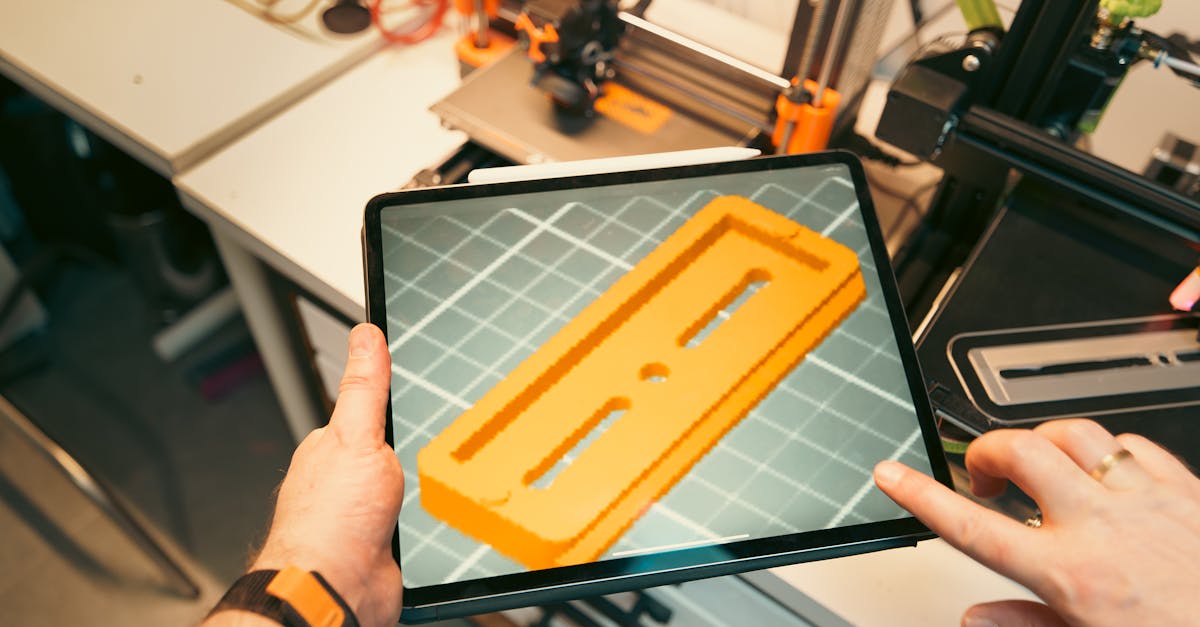
Why? Because in an unstable economy, stuff loses value, but skills don't. We are shifting our cultural admiration toward people who can do things, not just buy things. This is a healthier shift, I think. It values resourcefulness and intelligence over inheritance and debt.
The Re-Evaluation of "Normal"
Finally, the biggest culture shift of all: we no longer believe in "normal."
The last few years have thrown so many curveballs—global health crises, economic whiplash, geopolitical instability—that the idea of a "normal life" seems like a myth from a bygone era. This has fundamentally changed our psychology.
We are planning less and living more in the "presentism" of the moment. We are less likely to save for a retirement that might not come and more likely to spend on the trip that is happening now. The culture is shifting away from the "American Dream" (house, marriage, 2.5 kids) and toward a more fluid, personalized definition of success.
The shift is from "I want to live a good life" to "I want to live a life that feels good." It’s a subtle change in grammar, but a massive change in behavior.
So, where does that leave us? We are living in a fragmented, fast-paced, hyper-authentic, yet deeply artificial world. It’s confusing. But it's also liberating.
The culture isn't being destroyed; it's being re-negotiated. The old maps are useless, but we are all learning to navigate by the stars of our own choosing. The question isn't "What is happening to culture?" The question is "What are you going to build in the ruins?"
Stop trying to keep up with the trends. Start setting them for your own tribe. The only way to survive this decade is to stop chasing the algorithm and start defining your own values.


