
I remember the exact moment I realized 8pm wasn't just a time—it was a trap.
It was a Tuesday. I had grand plans to write, read, maybe even stretch. But by 7:58pm, I was slumped on the couch, phone in hand, watching a video of a pug trying to eat its own reflection. My brain was screaming, "Do something productive!" But my body? My body was already in sleep mode. The clock hit 8pm, and I felt this weird, invisible wall go up. No more work, no more chores, no more ambition. Just... the void.
For years, I thought this was a personal failure. A character flaw. But here's the secret nobody tells you: 8pm is the most psychologically charged hour of the day. It's the witching hour of adulting. And most of us are handling it completely wrong.
Let's break down why 8pm owns you—and how to take it back.

The 8pm "Fade" Is Real (And It's Not Your Fault)
Here's what most people miss: your brain doesn't shut down at 8pm—it switches modes. You're not lazy; you're biologically programmed to hit a wall.
See, the human circadian rhythm has a second wind around 6pm—the "evening peak" when you feel like you could actually do laundry or answer emails. But then, around 8pm, your body releases melatonin. Your core temperature drops. Your prefrontal cortex—the part of your brain responsible for decision-making and willpower—starts to power down like an old laptop with a dying battery.
I've found that the 8pm slump hits hardest when you've spent the whole day "on"—at work, with kids, or just surviving. By 8pm, you're running on fumes, not ambition. So when you try to force yourself to start a new project, learn a language, or even just clean the kitchen, you're literally fighting biology.
Let's be honest: how many times have you told yourself, "I'll just watch one episode" at 7:30pm, only to find yourself at 11pm, three episodes deep, hating yourself? That's not a lack of discipline. That's your brain seeking the easiest dopamine hit because it has zero energy left for delayed gratification.
The real problem isn't that you "waste" 8pm—it's that you treat 8pm like a second morning. Newsflash: it's not. It's your brain's closing time.
The "Golden Hour" Myth vs. The "Witching Hour" Reality
You've heard about the "golden hour" for photography—that magical light just after sunrise or before sunset. Well, there's a cultural myth that the hour after dinner is a "golden hour" for productivity. You know, the idea that you'll finally have quiet time to write that novel, organize your closet, or learn the ukulele.
Here's the truth: for 90% of people, 8pm is the witching hour, not the golden hour.
It's when all the day's unresolved stress comes knocking. The email you're ignoring. The argument you had with your partner. The existential dread about your career. At 8pm, your brain stops distracting you with tasks and starts presenting you with raw, unfiltered emotional baggage.
I've noticed a pattern: the more you try to "optimize" 8pm, the more miserable you become. People buy fancy planners, set up elaborate nighttime routines, and download meditation apps. But by 8pm, they're scrolling TikTok with a glass of wine, feeling guilty about not being a productivity guru.
This is why I call 8pm the "permission slip hour." You have to give yourself permission to do nothing without shame. But here's the twist: doing nothing well is actually a skill.
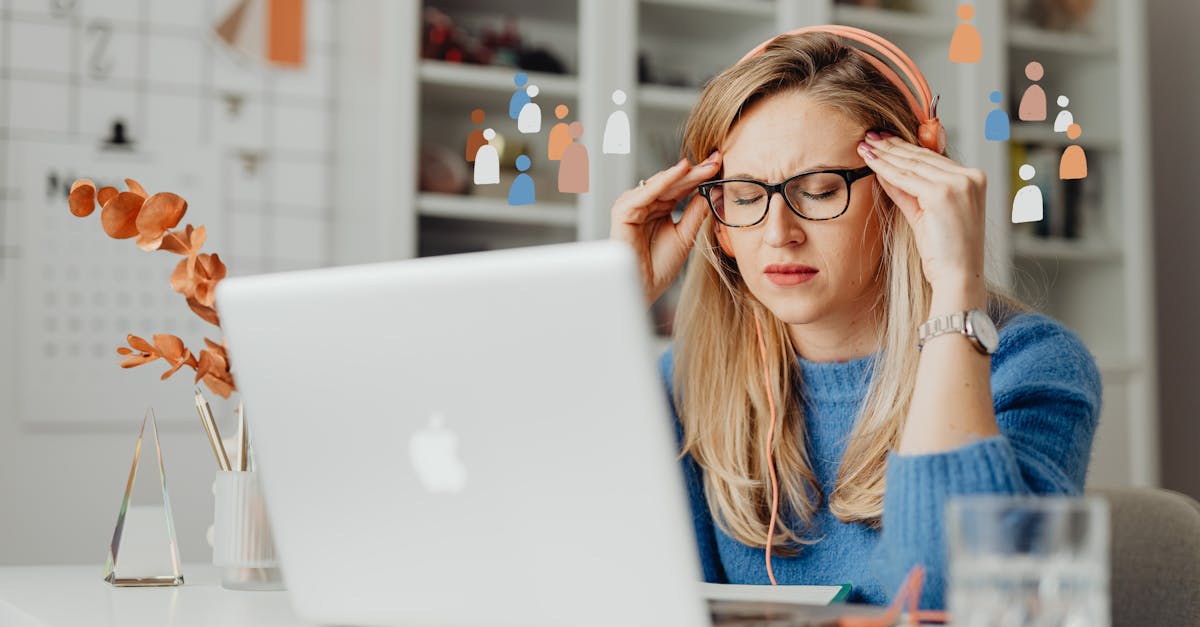
7 Secrets to Survive and Thrive at 8pm
After years of trial, error, and too many 3am YouTube spirals, I've developed a system. These aren't "hacks" in the cheesy influencer sense. They're real, messy strategies that actually work.
- Kill the "Should" at the Door
- Create a "Low-Stakes" Zone
- The 10-Minute Rule (But Backwards)
- The "One Thing" Rule
- Schedule Your 8pm Identity
- The "Closure Ritual"
The Hidden Danger of "Hustle Culture" at Night
Let's get real for a second. Hustle culture has crept into the 8pm hour, and it's toxic. You see influencers posting about their 5am routines and their "evening power hours" where they write for two hours after dinner. And you think,
"Why can't I be like that?"Here's what those influencers don't tell you: many of them are lying, or they're running on cortisol and caffeine, or they have a team of assistants. The idea that you can—or should—be "productive" at 8pm is a myth that fuels burnout.
I've found that the most successful people protect their 8pm hour like a sacred ritual. They don't check email. They don't start new projects. They don't engage in high-stakes conversations. Why? Because they know that the quality of your next day depends on the quality of your rest tonight.
There's a reason why nearly every major religion and ancient culture has a "evening prayer" or "sundown ritual." It's not about religion—it's about creating a psychological boundary between the chaos of the day and the peace of the night. 8pm is that boundary.

How to Reclaim Your 8pm (Without Feeling Like a Failure)
I'm going to give you a permission slip right now. You are allowed to do nothing at 8pm. You are allowed to watch reruns of
The Office for the 47th time. You are allowed to eat a bowl of cereal for dinner. You are allowed to lie on the floor and stare at the ceiling.But if you want to
reclaim 8pm—to make it yours instead of feeling owned by it—here's the simplest advice I can give:Stop fighting it.
Stop trying to turn 8pm into a productivity powerhouse. Stop comparing your evening to someone else's highlight reel. Stop feeling guilty for not being a "night owl" who writes novels or a "disciplined" person who meditates.
Instead, ask yourself one question:
"What would make 8pm feel like a gift instead of a burden?"*For me, it's a cup of herbal tea, a cozy blanket, and a book I've already read. For you, it might be a call with a friend, a hot bath, or just lying in the dark with no sound. It doesn't matter what it is—what matters is that you choose it intentionally.
The secret to 8pm isn't doing more; it's doing less, but doing it with presence.
The Final Truth
8pm is not a deadline. It's not a failure. It's not a second wind. It's a transition—a quiet, often ignored transition from the doing of life to the being of life.
And here's the ironic part: the more you try to "optimize" 8pm, the more it slips away. The more you let it be whatever it needs to be—rest, boredom, chaos, or silence—the more it gives you.
So tonight, when the clock strikes 8pm, try something radical: do nothing intentionally. No guilt. No plan. No agenda. Just... be.
You might discover that 8pm isn't the enemy. It's the only honest hour you have left.


