

Community Life in Nigeria: Why Neighbors Still Feel Like Family
In a world increasingly defined by digital connections and urban isolation, Nigeria offers a powerful counter-narrative. Here, the concept of "neighbor" transcends geography to embody kinship, mutual responsibility, and shared identity. This deep-rooted community life in Nigeria is not just a social structure; it's the nation's beating heart and its most resilient asset.
From the bustling streets of Lagos to the serene compounds of rural villages, the Nigerian community spirit thrives. It’s a culture where doors are left unlocked for familiar faces, children are raised by a collective, and joy and hardship are shared burdens. This exploration delves into the fabric of Nigerian neighbor culture, revealing the values and practices that make this way of life so enduring and instructive.
The Foundation: Ubuntu and the Collective Self
At the core of Nigerian social life is a philosophy often summarized by the Southern African concept of Ubuntu: "I am because we are." While the term itself is not indigenous to all Nigerian ethnic groups, the principle is universally embedded. An individual's identity is inextricably linked to their community. This worldview shapes everything from daily greetings to major life decisions.

This collective mindset manifests in proverbs that guide conduct. A Yoruba proverb says, "Ile l'a ti n k'esó r'ode" (It is from home that one learns to function in the outside world). An Igbo saying emphasizes, "Onye aghana nwanne ya" (Be your brother's keeper). These aren't mere sayings; they are lived codes. Success is celebrated communally, and failure is cushioned by a network of support, ensuring that no one faces life's storms alone.
"In Nigeria, your neighbor is your first line of defense, your emergency contact, and your spontaneous celebration partner. The fence between compounds is a symbol of boundary, not of barrier."
The Daily Rituals of Connection
The strength of the Nigerian community is reinforced through simple, consistent daily practices. These rituals build the trust and familiarity that make neighbors feel like family.
- Morning Greetings: The day does not truly begin until you have exchanged greetings with those around you. It’s considered rude to rush past a neighbor without acknowledging them. Greetings are often elaborate, inquiring about health, family, and peace.
- Open-Door Policy: It’s common for neighbors to walk into each other's compounds without formal invitation, especially during the day. This openness fosters spontaneous interaction and a sense of shared space.
- Communal Childcare: The phrase "It takes a village to raise a child" is a daily reality. Neighbors naturally keep an eye on all children in the vicinity, correcting them when necessary and reporting any mischief to their parents.
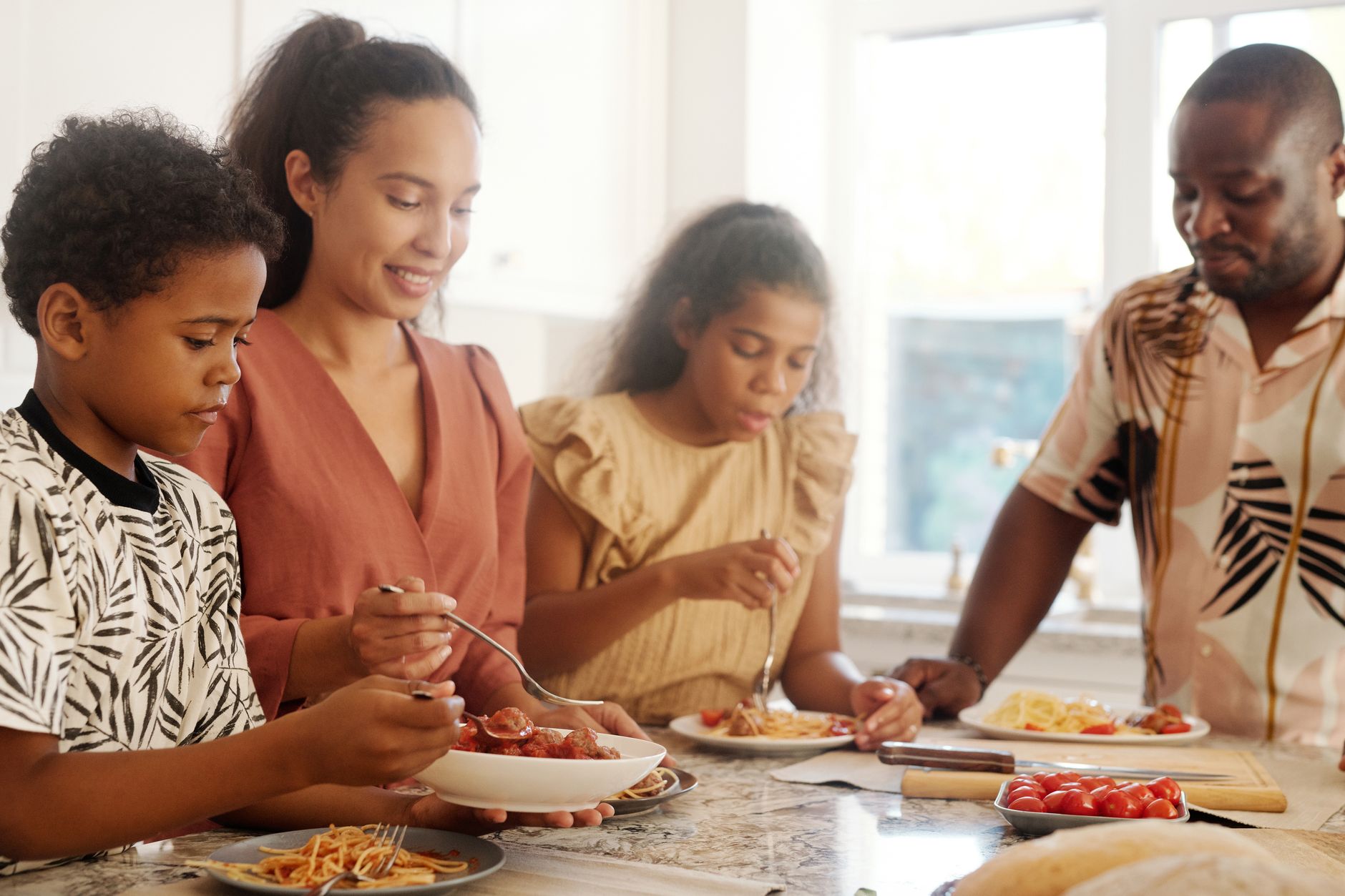
- Sharing of Food: Whether it's a pot of soup, a bowl of fresh fruit, or a plate of snacks from a celebration, food is constantly shared. Sending food to a neighbor is a fundamental act of care and solidarity.
These practices create a dense web of interdependence. You know who is skilled at repairs, who has a reliable pharmacy contact, whose child is excelling in school and can offer tutoring. This informal network often functions more efficiently than formal systems.
From Celebrations to Crises: The Community in Action
The true test and triumph of Nigerian neighbor culture are seen during major life events. The community doesn't just observe; it participates actively and assumes responsibility.
During celebrations like weddings, naming ceremonies, or promotions, the entire street or compound often gets involved. Neighbors contribute money, food, time, and labor. They help with cooking, ushering guests, and decorating. The event becomes a collective project, amplifying the joy and reducing the burden on the host family.
More powerfully, this mobilization is critical during times of crisis. In the face of illness, financial hardship, or bereavement, the community forms a protective circle. Practical support is immediate:

- Financial Contributions: A quick collection (awuf or adashi) is organized to cover medical bills or funeral costs.
- Logistical Support: Neighbors take over daily chores—cooking, cleaning, and running errands for the affected family.
- Emotional Sustenance: The house is rarely empty. A rotation of neighbors ensures the family is surrounded by comfort and prayer, preventing isolation in grief.
This system provides a social safety net that, while informal, is incredibly robust and responsive. It ensures dignity and support are accessible to all within the community fold.
Modern Challenges and Adapting Traditions
Urbanization, economic pressures, and the influence of Western individualism present real challenges to this traditional model. In high-rise apartments in cities like Abuja or Port Harcourt, the close-knit compound life can be harder to replicate. People are busier, more transient, and sometimes more guarded.
Yet, the Nigerian community spirit is remarkably adaptive. New forms of connection are emerging:
- Resident Associations: In estates and gated communities, these formal bodies organize security, sanitation, and social events, creating a new structural framework for neighborly interaction.
- Digital Compounds: WhatsApp groups for streets, blocks, or estates have become the modern-day village square. They are used for everything from reporting power outages and suspicious activity to organizing birthday surprises for residents.
- Hybrid Celebrations: While physical presence is still prized, video calls now allow distant relatives and old neighbors to participate in ceremonies in real-time, expanding the community's digital footprint.
The core values of mutual aid and recognition persist; they are simply finding expression through new mediums. The desire for connection remains a fundamental part of the Nigerian lifestyle.
Lessons for a Disconnected World: Actionable Takeaways
The global relevance of Nigeria's community life has never been greater. As many societies grapple with loneliness and social fragmentation, these Nigerian values offer a blueprint for rebuilding social capital. Here are actionable tips anyone can adopt:
- Prioritize Proximity Over Privacy: Make a conscious effort to know the names of your immediate neighbors. A simple, consistent greeting is the first brick in building a relationship.
- Reinstate the "Food Bridge": Double your recipe occasionally and share a portion with a neighbor. This small, tangible act of kindness is a universal language of care.
- Offer Specific Help: Instead of "Let me know if you need anything," offer something concrete: "I'm going to the market tomorrow, can I pick anything up for you?" or "I'm good with tech, if your Wi-Fi acts up."
- Create Micro-Communities: Initiate or participate in a local group—a book club, a gardening circle, or a parents' group at your child's school. Shared interests build strong bonds.
- Celebrate Collectively: Host a simple, low-pressure gathering on your street or in your apartment building. A shared meal or holiday decoration party can foster a sense of belonging.
These practices, inspired by the good people in Nigeria and their approach to life, can help cultivate a richer, more supportive environment wherever you are.
Conclusion: The Unbreakable Thread
The story of community life in Nigeria is one of the nation's most powerful Nigeria positive stories. It is a testament to the enduring human need for connection and the incredible resilience that emerges from interdependence. In the Nigerian context, Nigerian hospitality is not just for strangers; it is the daily bread of neighborly relations.
This culture reminds us that technology should supplement, not supplant, human contact. It proves that security and progress are best achieved not in isolation, but in collaboration. The power of neighbors in Nigeria shows that even in our diverse, modern world, the age-old principles of knowing, trusting, and helping those who live closest to us can create a foundation for a safer, kinder, and more joyful life.
Ready to strengthen your own community ties? Start this week by introducing yourself to one neighbor you don't know. Share this article as a conversation starter about the beautiful culture of togetherness we can all learn from. The journey to a more connected life begins right outside your door.





