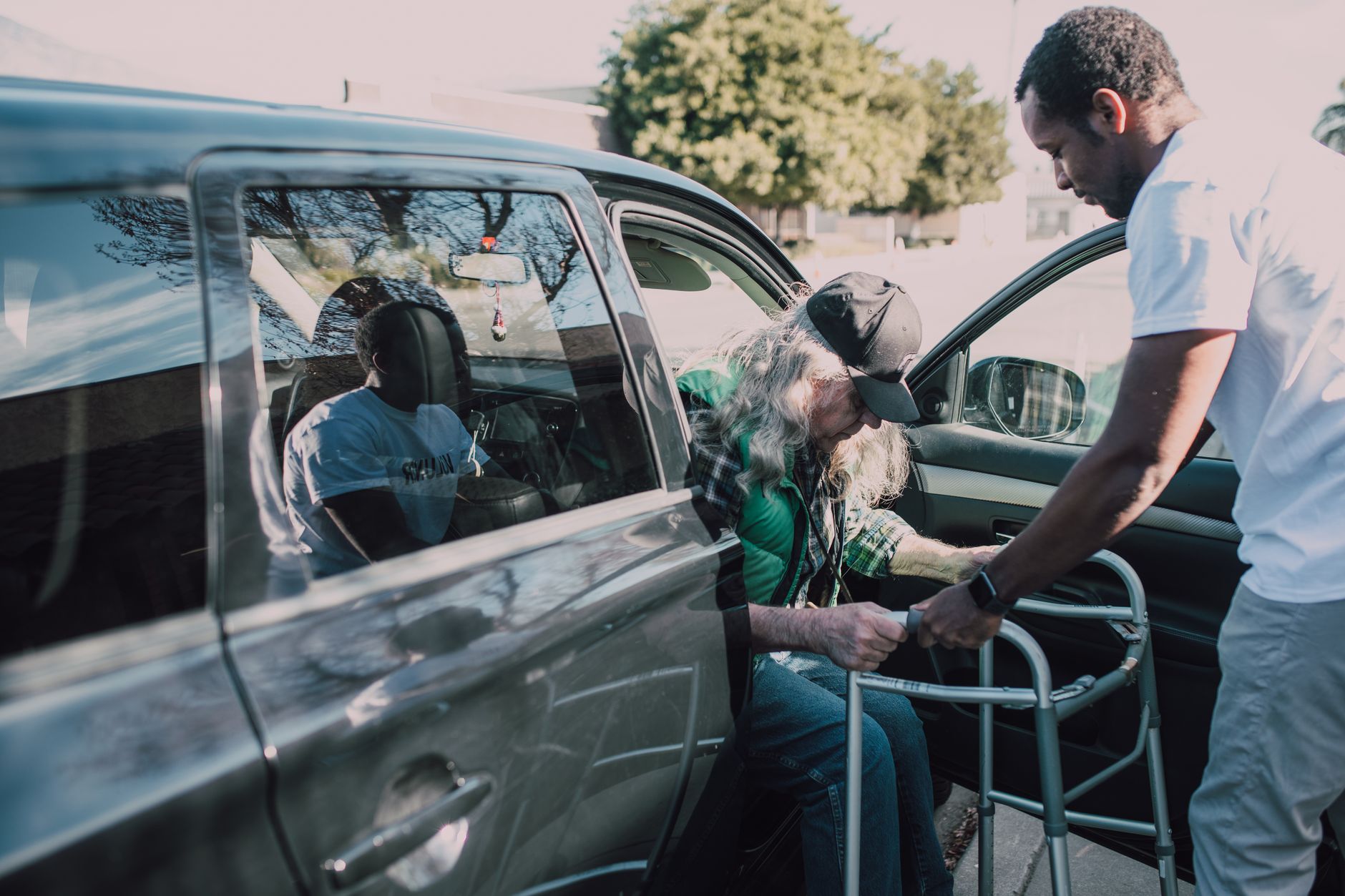
The Kindness Economy: How Nigerians Help Each Other Survive and Win

In a country where official economic indicators often paint a picture of struggle, there exists a parallel economy that statistics rarely capture—an economy built not on currency alone, but on compassion, trust, and collective survival. Welcome to Nigeria's "Kindness Economy," an intricate web of informal support systems that has become the bedrock of resilience for millions. While GDP figures fluctuate and inflation rates climb, this underground network of mutual aid continues to thrive, proving that human connection might just be the most valuable currency of all.
Nigeria, with its population exceeding 200 million, faces significant economic challenges including unemployment, inflation, and infrastructure gaps. Yet, against this backdrop, Nigerians have perfected the art of communal support, creating systems that bypass formal institutions to deliver what people need most: practical help, financial support, and emotional solidarity. This isn't just charity—it's a sophisticated economic ecosystem that enables survival, fosters entrepreneurship, and creates pathways to success that formal systems often fail to provide.
The Foundations of Nigeria's Informal Support Systems

Historical Roots of Communal Living
The kindness economy didn't emerge in a vacuum. Its foundations run deep in Nigeria's cultural history, tracing back to pre-colonial times when extended families and communities functioned as primary social security systems. The concept of "ubuntu"—I am because we are—manifests powerfully in Nigerian society, where individual identity remains intrinsically linked to community belonging.
Traditional Nigerian societies operated on principles of collective responsibility long before modern welfare states existed. Elders cared for children beyond their immediate family, communities pooled resources for weddings and funerals, and successful individuals were expected to "lift others as they climb." These cultural norms created a blueprint for survival that has adapted remarkably well to contemporary economic pressures.
Why Formal Systems Fall Short
Several factors have necessitated the growth of informal support networks:
- Limited Social Safety Nets: Government-provided social security covers only a fraction of the population, primarily formal sector employees
- Banking Exclusion: Approximately 36% of Nigerian adults remain unbanked, with many more underbanked
- Bureaucratic Hurdles: Accessing formal loans often requires collateral and paperwork that many cannot provide
- Economic Volatility: Frequent economic shocks make predictable income and planning difficult for many households
Key Pillars of the Kindness Economy
Ajo and Esusu: The Rotating Savings Systems
Perhaps the most famous component of Nigeria's kindness economy is the rotating savings and credit association (ROSCA), known locally as Ajo or Esusu. These informal financial systems operate on breathtaking simplicity and profound trust:
- How It Works: A group of individuals (usually 10-30 people) contribute a fixed amount regularly (daily, weekly, or monthly)
- Distribution: Each member receives the total collected sum once per cycle, determined by lottery, need, or predetermined order
- Trust-Based: No written contracts, no collateral—just social capital and community accountability
These systems serve multiple purposes beyond mere savings:
- Forced Savings Discipline: Regular contributions create financial habits
- Interest-Free Capital: Members access lump sums without predatory interest rates
- Social Connection: Meetings foster relationships and mutual support
- Emergency Fund: Some groups maintain contingency funds for members in crisis
Community Contribution (Awon Owo)
Beyond rotating savings, Nigerians participate in various contribution systems for specific purposes:
- Wedding Contributions: Community members contribute to offset massive wedding costs
- Burial Societies: Groups specifically for funeral expenses, providing dignity in death
- Educational Funds: Communities pool resources to send promising students to school
- Business Startup Groups: Collectives that fund members' entrepreneurial ventures
Skills and Labor Exchange
The kindness economy extends beyond money to include time, expertise, and labor sharing:
- Community Childcare: Neighbors watching each other's children, especially in markets and informal workplaces
- Skill Bartering: A tailor makes clothes for a mechanic's family in exchange for car repairs
- Collective Farming: Rural communities planting and harvesting together
- Apprenticeship Systems: Master craftspeople training young people without formal tuition
Modern Adaptations: The Kindness Economy Goes Digital

Technology Meets Tradition
Far from being a relic of the past, Nigeria's kindness economy has evolved with remarkable adaptability. Digital platforms have transformed traditional practices:
- Mobile Money Integration: Ajo contributions via bank transfers and mobile money
- Social Media Groups: WhatsApp and Facebook groups organizing contributions across distances
- Digital Record-Keeping: Spreadsheets and apps replacing mental accounting
- Crowdfunding Platforms: Sites like GoFundMe being used for medical bills and education
Fintech Innovations Building on Traditional Models
Several Nigerian fintech startups have successfully formalized aspects of the kindness economy:
- Cowrywise: Digital savings platforms with group saving features
- PiggyVest: Automated savings with community accountability elements
- Thrive: Apps that facilitate group contributions for specific goals
Diaspora Participation
Technology has globalized the kindness economy, with Nigerians abroad participating actively:
- International Ajo Groups: Diaspora members contributing to home-country savings circles
- Remittance Pools: Collective sending of money for community projects back home
- Virtual Contributions: Online participation in hometown development funds
Psychological and Social Benefits Beyond Economics
Building Social Capital
The kindness economy creates what sociologists call "social capital"—the networks, relationships, and norms that facilitate collective action. This manifests in several ways:
- Trust Networks: Regular financial interactions build and reinforce trust
- Reciprocity Norms: The understanding that help given will be available when needed
- Social Sanctions: Community accountability discourages default or antisocial behavior
- Information Sharing: Networks become channels for job opportunities, business leads, and valuable information
Mental Health and Resilience
Living within supportive networks provides psychological benefits that money alone cannot buy:
- Reduced Isolation: Knowing you're part of a caring community buffers against loneliness
- Stress Mitigation: Shared burdens literally lighten the load during crises
- Purpose and Belonging: Contributing to others' wellbeing creates meaning
- Collective Coping: Communities develop shared strategies for handling adversity
Preserving Cultural Identity
These practices reinforce Nigerian values and cultural continuity:
- Intergenerational Connection: Younger members learn traditional values through participation
- Cultural Transmission: Stories, proverbs, and wisdom shared during gatherings
- Community Identity: Shared practices strengthen bonds and collective identity
- Value Reinforcement: Regular participation reinforces principles of generosity and responsibility
Challenges and Criticisms of the Informal Support System
Vulnerability and Risk
Despite their benefits, informal systems carry inherent risks:
- Default Risk: When a member cannot contribute or disappears with the pooled funds
- Limited Legal Recourse: Informal nature means few options when things go wrong
- Scale Limitations: Systems work best in close-knit communities where social pressure enforces compliance
- Exclusion: Those without strong social networks may be left out
Gender Dynamics
Women both benefit disproportionately from and bear particular burdens within these systems:
- Greater Participation: Women often participate more actively in savings groups
- Domestic Pressure: Women frequently manage household contributions despite limited income control
- Empowerment vs. Burden: While providing financial access, systems can also reinforce traditional gender roles
The Formal-Informal Tension
There's ongoing debate about whether these systems should remain informal or be formalized:
"Formalizing traditional systems risks losing their soul—the trust, flexibility, and community spirit that make them work. But leaving them completely informal leaves participants vulnerable."
— Financial inclusion researcher, Lagos
Potential middle paths include:
- Light-touch regulation that protects without stifling
- Hybrid models combining informal trust with formal safeguards
- Financial literacy education to help participants manage risks
Lessons for the Wider World
What Other Societies Can Learn
Nigeria's kindness economy offers insights relevant far beyond its borders:
- Social Infrastructure Matters: Relationships and trust networks constitute real infrastructure
- Human-Centered Design: Systems designed around actual human behavior rather than theoretical ideals
- Resilience Through Redundancy: Multiple overlapping support systems create safety nets
- Local Solutions: Community-designed systems often work better than top-down approaches
Applications in Formal Economics
Elements of the kindness economy could inform more humane formal systems:
- Microfinance Innovations: Group lending models already borrow from these traditions
- Social Impact Investing: Prioritizing community benefit alongside financial return
- Cooperative Business Models: Worker-owned enterprises building on collective principles
- Community Development: Locally-driven rather than externally-imposed development
The Future of Nigeria's Kindness Economy
Integration with Formal Systems
The most promising future likely involves thoughtful integration rather than replacement:
- Bank Partnerships: Financial institutions offering services tailored to existing community groups
- Insurance Linkages: Connecting informal groups to formal insurance products
- Government Recognition: Official acknowledgment and light-touch support for proven systems
- Hybrid Models: Maintaining community spirit while adding formal protections
Youth Engagement and Innovation
Younger Nigerians are adapting these traditions to contemporary realities:
- Digital Natives Creating Apps: Young developers building platforms around traditional practices
- New Forms of Community: Interest-based and professional networks forming support systems
- Global-Local Hybrids: Combining Nigerian traditions with ideas from other cultures
- Social Entrepreneurship: Businesses explicitly designed to strengthen community bonds
Conclusion: Survival, Success, and Shared Humanity
[IMAGE: A diverse group of Nigerians smiling together, representing community unity]
Nigeria's kindness economy represents more than just an economic workaround—it's a profound statement about human nature and societal organization. In a world increasingly focused on individualism and formal institutions, Nigeria reminds us that our deepest needs for security, belonging, and meaning are often best met through relationships rather than transactions.
The systems Nigerians have developed—from Ajo to community childcare networks—demonstrate remarkable innovation born of necessity. They show that when formal structures fail, human creativity and solidarity can fill the gaps, often creating solutions more humane and adaptable than what they replace.
Perhaps the most important lesson isn't for economists or policymakers, but for all of us as individuals and community members. In prioritizing kindness as currency, Nigerians have built an economy that measures wealth not just in naira, but in relationships strengthened, burdens shared, and collective victories celebrated.
As economic uncertainties continue globally, elements of this kindness economy may become increasingly relevant everywhere. The Nigerian experience suggests that our future prosperity might depend less on perfecting markets and more on nurturing the human connections that make life meaningful and survivable in the first place.
What elements of the kindness economy could strengthen your own community? How might you contribute to or benefit from more mutual support in your life?
Share your thoughts on social media using #KindnessEconomy, or consider starting a small support circle in your own neighborhood. Sometimes, changing the economy begins with simply checking on a neighbor.





