

The Nigerian Spirit: Why Nigerians Don't Quit

In the bustling markets of Lagos, where traders rise before dawn and negotiate until sunset. In the tech hubs of Yaba, where young innovators code solutions to problems that haven't been named yet. In the diaspora, from London to Houston, where professionals carry their homeland in their accents and ambitions. There exists a phenomenon both celebrated and misunderstood—the unbreakable Nigerian spirit.
What makes a people face daily power outages with backup generators and still host the most vibrant parties? What fuels the mother who works three jobs to put her children through school abroad? What sustains the entrepreneur who fails seven times but launches an eighth business with undimmed hope?
This isn't just about individual grit. This is about a collective consciousness, a cultural DNA coded with resilience, a spiritual inheritance that whispers in every challenge: "This too shall pass, but I shall remain."
The Cultural Foundations of Resilience
Proverbs as Psychological Armor
Nigerian languages are treasure chests of wisdom, and their proverbs serve as mental frameworks for resilience. Consider these cultural pillars:
- "No condition is permanent" - This Igbo and pidgin English staple reminds Nigerians that today's suffering is tomorrow's testimony
- "What does not kill you makes you stronger" - Often said as "Na who dey alive dey talk," emphasizing survival as victory
- "The child of a tiger is not called a kitten" - Yoruba wisdom about inherited strength and high expectations
The Extended Family Safety Net
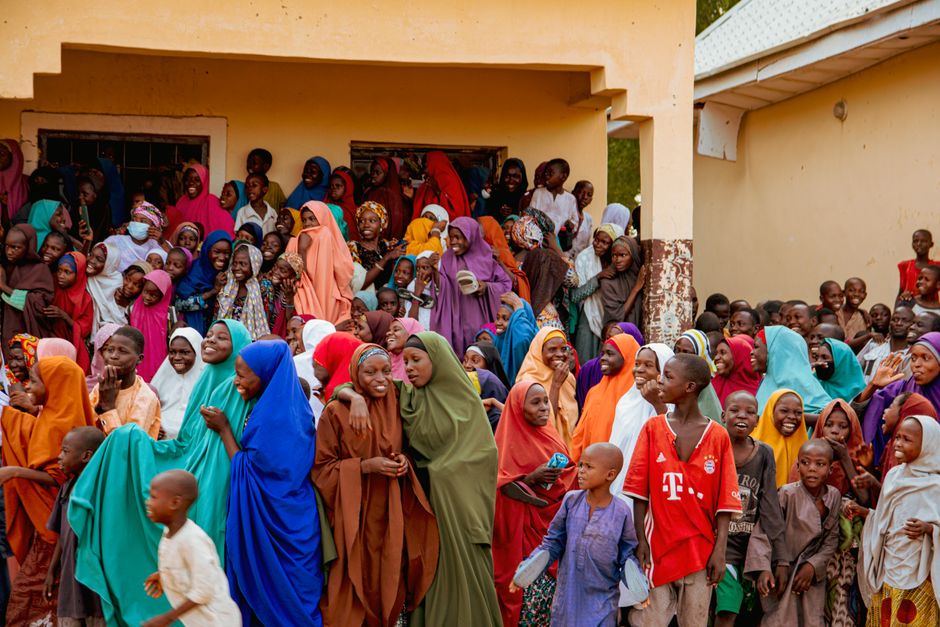
In many Western cultures, failure might mean isolation. In Nigeria, it often means your auntie will show up with soup and advice, your cousin will offer a spare room, and your village will collectively brainstorm solutions. This interconnectedness creates what psychologists call "distributed resilience"—the burden is shared, so no one carries it alone.
"My business failed in 2019," says Chinedu, a Lagos-based entrepreneur. "I was ready to quit. Then my uncle sent me capital with a note: 'Your grandfather sold palm wine during the war. You will sell again.' My entire family treated my failure as a temporary setback, not a permanent identity."
Faith: The Engine of Hope
Practical Spirituality
Visit any Nigerian city at 5 AM, and you'll hear prayers rising from homes, see people heading to dawn services, and find offices that begin with devotion. This isn't merely religious ritual—it's strategic hope-building. Faith provides:
- A future orientation - The belief that "better days are coming" sustains present effort
- Communal reinforcement - Church and mosque communities provide emotional and sometimes financial support
- Explanatory frameworks - Challenges become "tests of faith" rather than random suffering
The Testimony Culture
Nigerian religious spaces thrive on testimonies—stories of overcoming. Every Sunday, someone shares how they got a visa after nine rejections, how their business survived robbery, how their child recovered against medical odds. This creates a powerful narrative: struggle isn't evidence that God has abandoned you; it's raw material for your next testimony.
The Hustle Mentality: Creativity Under Pressure
Turning Constraints into Innovations
Nigerians have mastered what economists call "frugal innovation"—creating more value with fewer resources. Consider:
- The "See Finish" Phenomenon - When something breaks, Nigerians don't just replace it; they understand it completely, often repairing beyond expected lifespan
- Multiple Streams Hustle - The lawyer who also imports shoes, the banker with a catering side business—diversification as risk management
- Network as Capital - Who you know becomes what you can access, making relationship-building a survival skill
Education as Intergenerational Project
Perhaps no investment better illustrates Nigerian perseverance than education. Parents sacrifice immensely, often going without so their children can attend good schools. This creates:
- A debt of ambition - Children feel obligated to justify parental sacrifice through achievement
- Delayed gratification culture - Suffering now for future reward becomes normalized
- Global competitiveness - Nigerian students often outperform in foreign universities, fueled by this background of sacrifice
Community: The Circle That Won't Let You Fall
Collective Responsibility in Action
In 2020, when the pandemic threatened small businesses, Nigerian communities didn't wait for government aid. They created:
- Esusu/Adashi - Traditional rotating savings groups that became emergency funds
- Market associations - Traders collectively negotiating rent relief
- Online support networks - Diaspora Nigerians sending millions in relief through apps like Sendwave and Remitly
The Power of "Naija" Identity
Being Nigerian carries psychological weight. There's pride in belonging to a nation known for producing global firsts—from literature to music to technology. This identity becomes personal fuel:
- "I can't be the one to fail" - The weight of representation
- Global Naija network - From Canada to China, finding fellow Nigerians who offer help
- Cultural exports as morale boosters - When Burna Boy wins a Grammy or Nollywood breaks records, every Nigerian feels a little taller
Practical Lessons from the Nigerian Spirit
Adoptable Mindset Shifts
You don't need to be Nigerian to cultivate this resilience. Try integrating these principles:
- Reframe failure as information - Like market traders who see a bad day as data, not destiny
- Build your "village" - Cultivate genuine relationships that offer mutual support
- Develop spiritual or philosophical grounding - Find a framework that makes suffering meaningful
- Embrace creative multiplicity - Have multiple skills and income streams
- See education as continuous - Keep learning, especially from adversity
Daily Resilience Practices
- Morning affirmation ritual - Many Nigerians start with prayers or positive declarations
- Weekly community connection - Regular contact with your support network
- Monthly goal review with flexibility - Nigerians are great at pivoting while keeping ultimate goals
- Annual "testimony" reflection - Documenting what you've overcome
The Global Impact of Not Quitting
Diaspora Excellence
From the UK's healthcare system to Silicon Valley's tech giants, Nigerian immigrants disproportionately excel. This isn't accidental—it's the resilience dividend. The same traits that help Nigerians survive at home help them thrive abroad:
- Adaptability - Used to unpredictable environments
- Hard work ethic - Forged through necessity
- Networking intelligence - Understanding community as capital
Cultural Exports of Resilience
Nollywood films often follow the "from grass to grace" narrative. Afrobeats lyrics celebrate overcoming. Nigerian literature explores suffering with hope. These cultural products don't just entertain—they teach resilience methodologies to global audiences.
Your Invitation to Unbreakable Spirit
The Nigerian spirit isn't mystical—it's methodological. It's the accumulated wisdom of generations who faced slavery, colonialism, civil war, economic instability, and daily inconveniences, yet chose to build, create, love, and hope.
This spirit whispers: Your present struggle is not your permanent address. Your community can be your safety net. Your faith (in God, yourself, or humanity) can be your fuel. Your multiple failures can be your unique curriculum.
As the Yoruba say: "Ise loogun ise" - Work is the antidote to poverty. But perhaps we might expand: Perseverance is the antidote to despair.
This week, choose one area where you've considered quitting. Apply one Nigerian resilience principle:
- Call your "auntie" (mentor/friend) for soup and advice
- Remember that "no condition is permanent"
- Look for the creative opportunity within the constraint
- Share your struggle and let your community hold you
What Nigerian resilience principle will you try this week? Share in the comments below—your testimony might inspire someone else to keep going.





