
Did you know that according to a recent study, the average person is exposed to between 6,000 to 10,000 ads and news headlines every single day? Let that sink in. Our brains are bombarded with so much information that even major, world-shifting stories can slip through the cracks, buried under a tidal wave of celebrity gossip and viral memes.
I’ve found that the real plot twists often happen off the front page. This week was no exception. While everyone was arguing about one big political soundbite or the latest streaming show, five genuinely consequential stories quietly unfolded. They’re the kind of developments that don’t just make headlines—they reshape markets, redefine borders, and rewire our future.
Here’s what you missed, and why you should care.

The Silent Shift in Global Power No One Is Talking About
Forget the summits and the diplomatic photo-ops. The real action is happening in the world’s back offices and central banks. This week, China and Saudi Arabia finalized a landmark oil deal that will be settled entirely in Chinese Yuan, not U.S. Dollars.
Let’s be honest, most of us glaze over when we hear “petrodollar.” But here’s what most people miss: the U.S. dollar’s dominance as the world’s reserve currency is the bedrock of American economic power. It keeps borrowing cheap and influence high. Every time a barrel of oil is sold for yuan instead of dollars, that bedrock gets a little crack.
This isn’t an overnight collapse. It’s a slow, deliberate drip. But it signals a profound desire from major economies to build a financial world less reliant on Washington. Why does this matter to you? It affects everything from long-term inflation and interest rates on your mortgage to the very balance of geopolitical power. It’s a story about the next fifty years, not just the next fifty minutes.
The AI That Just Changed Science (And It’s Not ChatGPT)
Everyone’s obsessed with AI chatbots and image generators. But in a lab you’ve never heard of, an AI system called AlphaFold 3 was released by Google DeepMind, and it’s arguably more revolutionary.
This AI doesn’t write sonnets; it predicts the structure and interactions of nearly every molecule of life. We’re talking about the complex dance between proteins, DNA, drugs, and hormones. Previously, mapping these interactions could take years of painstaking, multi-million dollar research. Now? It’s a few clicks.
Why does this matter? It fundamentally accelerates the discovery of new medicines. Think of diseases that have been untreatable because we couldn’t design a drug that fit the biological lock. AlphaFold 3 is handing researchers a master key. We’re talking about potential leaps forward in treating cancers, autoimmune diseases, and genetic disorders. The biggest breakthrough in biotech this decade just happened, and it was drowned out by AI hype about… well, other AI.
The Court Ruling That Could Redefine "Wilderness"
In a decision that flew under the radar, a federal appeals court issued a ruling with massive implications for how America manages its public lands. The case centered on whether federal agencies can prioritize conservation and ecosystem health as a primary use of land, on par with traditional uses like grazing, mining, and drilling.
The court said yes.
This is a tectonic shift in land management philosophy. For decades, the Bureau of Land Management’s mandate has been interpreted as "multiple use," often tilting toward extraction. This ruling strengthens the legal footing for leaving land alone—for letting rivers meander, forests regenerate, and wildlife corridors exist without immediate economic justification.
If you care about climate resilience or biodiversity, this is huge. It’s a tool that could help protect vast swaths of the American West. It’s not a ban on industry, but it’s a rebalancing of the scale. The fight over what our public lands are for just entered a new chapter, and it’s one where conservation has a stronger voice.
The Food Supply Hack You Didn't Hear About
Cyberattacks make news when they hit hospitals or pipelines. But this week, a sophisticated ransomware attack targeted the world’s largest pork producer. The company, which operates in over a dozen countries, had its operations severely disrupted. Plant shutdowns. Logistics chaos.
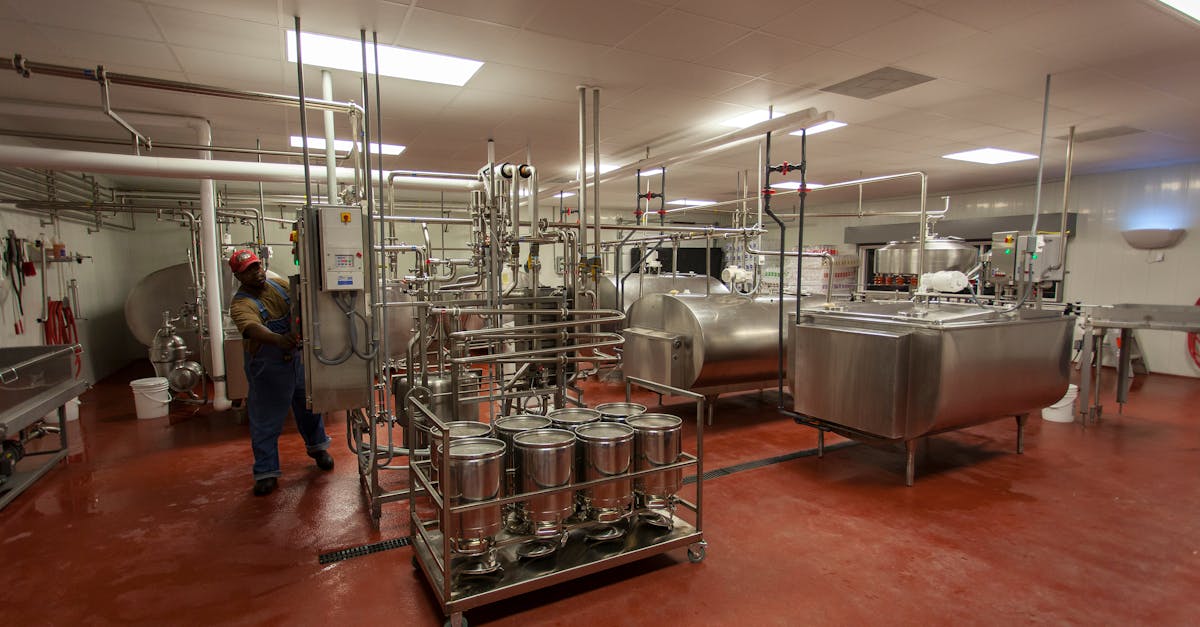
Why does this matter? Because it exposes the terrifying fragility of our globalized food system. We’re not talking about a local butcher shop. This is a critical node in the protein supply chain for millions of people. It shows how a handful of hackers in a basement can potentially threaten food security and drive up prices at the supermarket.
It’s a stark reminder that our essential infrastructure—the stuff that keeps us fed, powered, and moving—is running on digital systems that are often vulnerable. This story isn’t just about bacon; it’s about the soft underbelly of modern civilization. When we think about national security, we need to think about firewalls around our food as much as fences around our borders.
The Hidden Climate Victory in Your Pocket
Amid all the doom-and-gloom climate reports, a genuinely positive milestone was reached: renewable energy sources (solar, wind, hydro) now provide over 30% of global electricity for the first time in history. The growth, particularly in solar, is outpacing even the most optimistic projections from just a few years ago.
Here’s the kicker: this growth is now driven more by economics than pure ethics. Solar and wind are simply the cheapest form of new power in most of the world. The energy transition has hit an irreversible tipping point. The question is no longer if we’ll transition, but how fast.
This matters because it reframes the entire climate conversation. It moves it from a story of sacrifice to a story of opportunity and inevitability. It means every new solar panel installed and every electric vehicle sold isn’t just good for the planet—it’s accelerating a market-driven revolution. The goalposts have moved. The challenge now is building the grid and storage to support this new, cleaner reality.
So, what’s the through-line here? It’s that the most important stories are rarely the loudest. They are the quiet shifts in foundation, the breakthroughs in obscure labs, the legal rulings with slow-burn consequences, the hidden vulnerabilities, and the overlooked victories.
They remind us that the world changes not just with a bang, but with a whisper. The question is: are you listening?
Follow us* YouTube. Follow for more great content!



