
You know that feeling when you blink and the world seems to have shifted? You were focused on the big, screaming headlines—the political gaffe, the celebrity scandal, the market dip—and then you stumble on a piece of news that makes you pause. “Wait, when did that happen?”
That was me on Thursday, buried in my usual doomscroll, when a friend casually mentioned a major legal ruling about data privacy I’d completely missed. It hit me: the truly transformative stories often don’t break through the noise. They simmer under the surface while we’re distracted by the spectacle.
So, let’s dig into the undercurrents. Here are five significant breaking news stories from this past week that you might have missed, and more importantly, why they actually matter for your wallet, your rights, and our collective future.

The Silent Shift in Who Owns Your Digital Life
While everyone was arguing about a new social media feature, a federal appeals court quietly dropped a ruling that could redefine digital ownership. The case centered on whether you can truly “own” digital media—like the movies, books, and music you “buy” from major platforms. The court’s lean? Not really. They reinforced the concept that you’re often just licensing it, a fact buried in the terms of service we all blindly accept.
Here’s what most people miss: This isn’t just about your iTunes library. It’s about the fraying concept of digital property. If you don’t own that e-book, the platform can, in theory, remove your access. It ties directly into the growing conversation about web3 and digital asset rights. Why are people obsessed with NFTs and blockchain-based ownership? In part, as a reaction to this very reality. This legal precedent makes the abstract debate painfully concrete. Your digital purchases are less like a book on your shelf and more like a seat in a cinema—they can ask you to leave.
A Hidden Climate Milestone, Buried in the Business Section
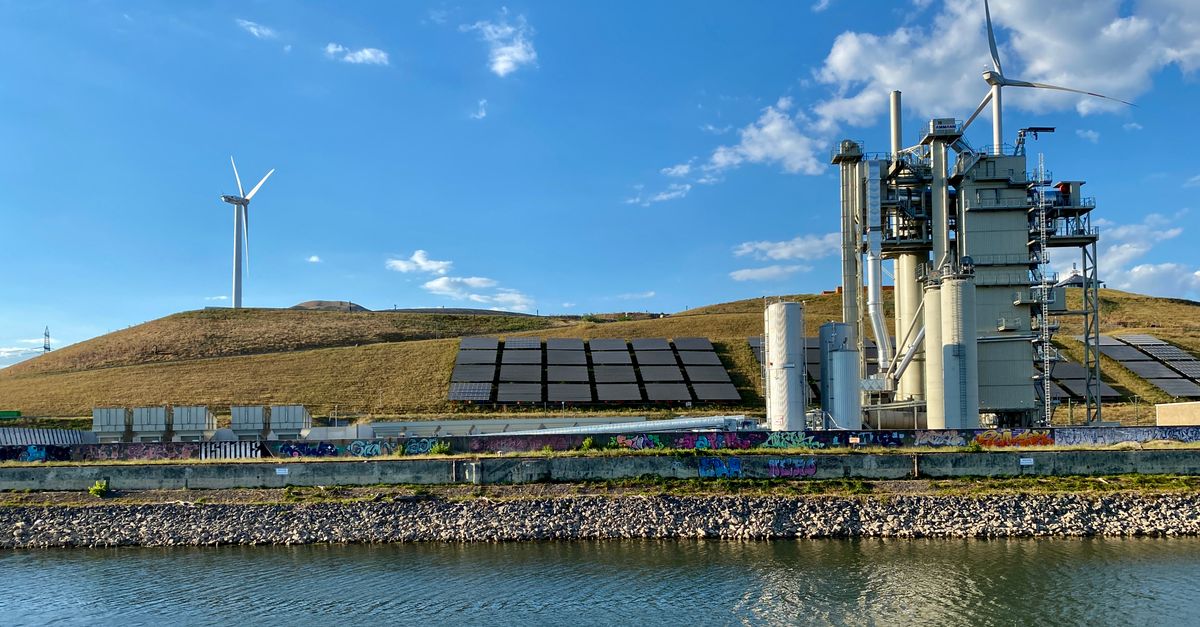
You didn’t see fireworks, but last Monday, renewable energy achieved a quiet, monumental first in the United States. For a continuous 24-hour period, a major regional grid was powered by over 95% renewable energy—primarily wind and solar. This wasn’t a theoretical model or a goal for 2050. It happened now, driven by a combination of ideal weather and massive infrastructure investment.
Let’s be honest, a single day doesn’t solve the climate crisis. But as an energy analyst I follow put it, “It’s a proof of concept for the grid of the future.” The breaking news here is operational, not political. It proves the technical reliability is within reach, which in turn dismantles the primary argument of the transition’s detractors: that it can’t be done consistently. This story matters because it shifts the conversation from if to how fast.
The AI Regulation That Flew Under the Radar
Forget the flashy AI demos. In Brussels, a key committee of the European Parliament voted to advance the AI Act, arguably the world’s most comprehensive attempt to regulate artificial intelligence. The headline is dry, but the details are explosive. Their version includes a near-total ban on real-time biometric surveillance in public spaces and strict limits on the “high-risk” AI used in hiring, policing, and education.
Why does this matter if you’re not in the EU? Because of the “Brussels Effect.” Just as EU privacy laws (GDPR) became a global standard, this AI framework could set the de facto rules of the road. Tech giants often adapt their global products to the strictest regulatory environment. So, a ban on social scoring or certain types of facial recognition in Europe could effectively become a ban everywhere. This is where the rubber of ethical AI debate meets the road of law.
The Supply Chain Story That’s About More Than Shipping
A little-noticed report from the U.S. Department of Agriculture confirmed a startling trend: Mexico has officially surpassed China as the leading source of all U.S. imports. Let that sink in. This isn’t just about avocados and cars. It’s the most tangible data point yet showing the massive, decade-long re-wiring of global trade.
I’ve found that most people still think of globalization as a 1990s story of offshoring to Asia. This news signals its accelerating fragmentation. Companies are pursuing “friend-shoring” and “near-shoring” in response to geopolitical tension, pandemic disruptions, and trade policy. The implications are huge—for inflation, for job markets in specific regions, and for international relations. Our economic map is being redrawn in real-time.

The Quiet Revolution in Your Doctor’s Office
This one barely made a ripple outside of medical journals, but the FDA granted breakthrough designation to a new class of weight-loss drugs that show a startling secondary effect: dramatically reduced risk of major cardiac events. We’re not talking about marginal percentages. The data suggests a potential 20%+ reduction in heart attack and stroke risk for certain patients.
This matters far beyond weight loss. It blurs the lines between chronic disease categories and could trigger a seismic shift in preventive healthcare. If a single drug can meaningfully address obesity, diabetes, and cardiovascular risk, it challenges our entire siloed approach to medicine. The financial and human impact is staggering. It also raises tough, immediate questions about insurance coverage, healthcare equity, and what we prioritize in public health spending. This isn’t just a new pill; it’s a system-wide stress test.
So, what’s the through-line? The stories that shape our lives are rarely the ones trending for 24 hours. They are the legal rulings, the technical milestones, the regulatory votes, the economic data points, and the scientific approvals that build the world we’ll inhabit in five years.
The spectacle informs our day. The undercurrent defines our decade. Maybe it’s time to adjust our focus. What if you spent five minutes today looking past the headline of the moment? You might just see the future taking shape.



