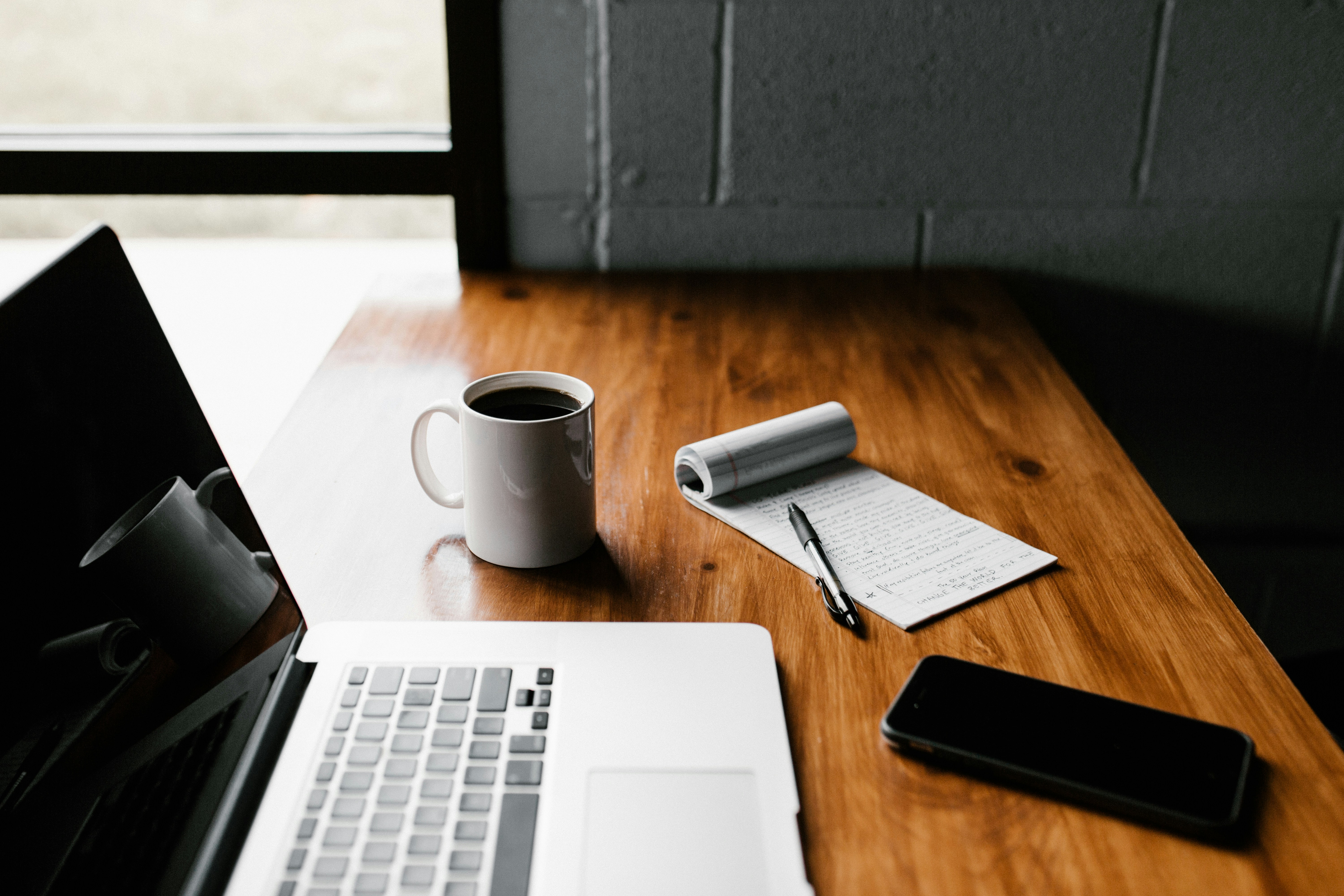
Let's be honest: the $2,000 standing desk, the sunrise cold plunge, and the 4:30 AM wake-up call are mostly theater. We've turned self-improvement into an expensive performance, and the data backs me up. Studies consistently show that up to 80% of New Year's resolutions collapse by February — not because people lack ambition, but because they build routines on grand gestures instead of tiny, repeatable behaviors. I've fallen into this trap myself. I bought a habit-tracking app, a fancy planner, and a light therapy lamp in the same week. Guess how long that lasted? Eleven days.
Here's what most people miss: transformation in 2025 isn't about doing more — it's about making the boring stuff automatic. The habits that actually change your daily routine are small enough to survive a bad day, a busy week, and a Tuesday when you just can't be bothered. Below are ten that genuinely work.

The Case for Micro-Habits (Or Why Your Fancy Planner Is Collecting Dust)
The problem with most routine advice is that it assumes you're a machine. You're not. You're a person who forgot to drink water until 3 PM yesterday.
Behavioral scientists call the sweet spot the "just manageable" zone — a habit so small it feels almost insulting. Want to read more? Start with one page. Want to exercise? Start with a five-minute walk. The goal isn't the activity. The goal is becoming the kind of person who shows up. Once that identity clicks, the volume takes care of itself.
And we're going to start with something almost too simple.

1. The Two-Minute Rule (Your New Favorite Excuse Killer)
If a task takes less than two minutes, do it now. Not "later." Now. Reply to that message. Put the dish away. Hang up the coat. I've found that the two-minute rule eliminates the low-grade guilt that quietly drains your energy all day long. It sounds trivial. It isn't. Small undone tasks are mental clutter, and mental clutter is the enemy of a smooth daily routine.
The Rituals That Actually Move the Needle
2. Drink a full glass of water before your coffee. Boring? Yes. Effective? Also yes. Most of us wake up mildly dehydrated and then wonder why we feel foggy until noon.
3. Do a five-minute "brain dump" every morning. Before you touch email, write down everything swirling in your head. You're not planning — you're unloading. The plan comes after the noise clears.
4. Put your phone to bed before you go to bed. Charge it outside the bedroom. I resisted this for years, convinced I needed it as an alarm. Then I bought a $9 alarm clock and stopped doom-scrolling at midnight. Your morning routine is only as good as your night-before routine.
5. Layer one habit onto an existing one. Habit stacking is the closest thing to a cheat code in routine-building. After I pour my morning coffee, I open my journal. After I brush my teeth, I do ten squats. The old habit becomes the cue for the new one, and you stop relying on willpower.
6. Walk for ten minutes after lunch. Not a workout. A walk. It resets your attention, helps digestion, and gives your brain a break from screens. I've found that my best ideas show up somewhere around minute seven.

The Unsexy Habits Nobody Posts About
7. Set a "shutdown ritual" at the end of your workday. Close your tabs, write tomorrow's top three priorities, and say (out loud, if you're brave) that work is done. This single habit has done more for my evenings than any productivity app ever did. Without a shutdown, work bleeds into dinner, and dinner bleeds into doom-scrolling.
8. Prepare your environment the night before. Lay out your clothes. Prep your breakfast. Clear your desk. The version of you at 7 AM is not a strategist — they're a creature of convenience. Make the right choice the easy one.
9. Batch your decisions. Pick your outfits, meals, and workout times in advance. Decision fatigue is real, and every tiny choice chips away at the energy you need for the ones that matter.
10. End the day with one line of gratitude. Not a journal entry. Not a meditation. One line. "Today was good because ___." It takes ten seconds and quietly rewires how you scan your day.
Why This Works When Everything Else Failed
Here's the thread connecting all ten habits: none of them require motivation. They require a trigger and a decision you've already made. That's the whole trick. Your daily routine in 2025 shouldn't depend on how inspired you feel on a random Wednesday — it should run on rails you built when you were thinking clearly.
Let's be honest — you don't need a new app. You need fewer decisions and smaller promises you actually keep.

Your First 24 Hours
Don't try all ten. That's the trap. Pick exactly two — the two-minute rule and the water glass are a good starting pair — and run them for a week. Then add one more. By March, you'll have a routine that looks suspiciously effortless, and nobody will believe you didn't wake up at 4:30 AM to do it.
So here's my challenge: which single habit from this list are you starting tomorrow? Write it down somewhere you'll see it. Then come back in seven days and tell me what changed.