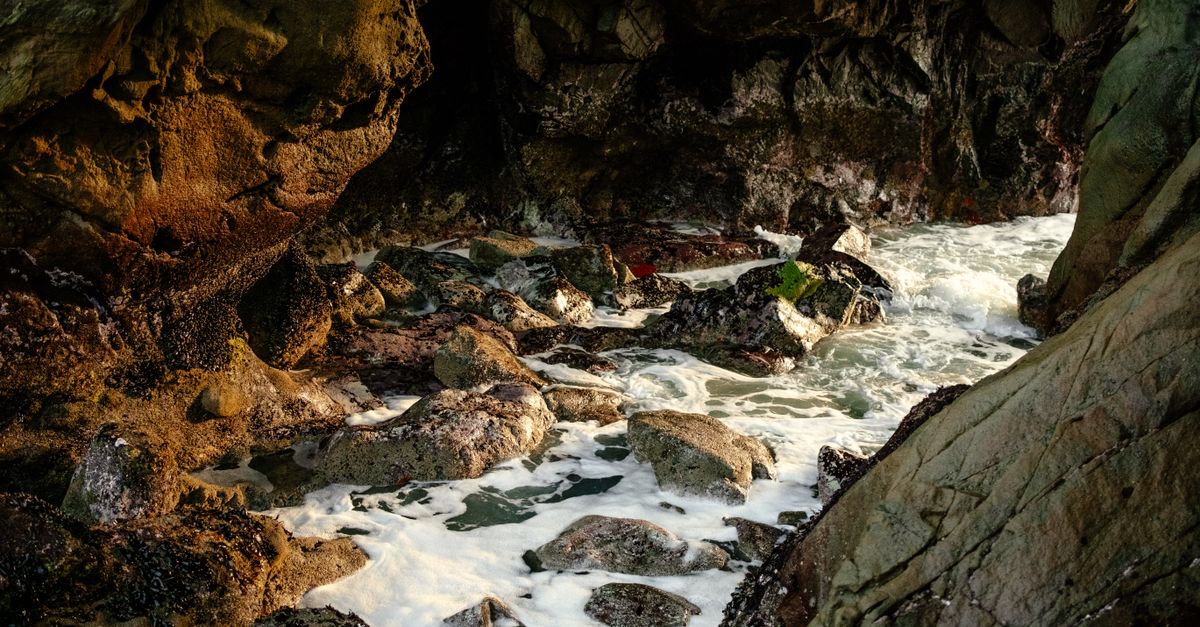
Picture this: I'm sitting in a tiny konoba in a village so small the GPS gave up twice, and an old fisherman named Ante slides a glass of homemade rakija across the table. "Don't tell anyone about this place," he says, eyes twinkling. "It's ours." I nodded solemnly, took a sip, and immediately started planning this article. Sorry, Ante.
Because here's the thing — Europe's most magical coastal towns are the ones you'll never find on a top-ten list from a glossy travel magazine. They're tucked behind hairpin roads, hidden at the end of ferry routes nobody advertises, and fiercely protected by the people lucky enough to call them home. I've spent years chasing these places down, and I've found that locals will happily share their secret spots with you — as long as you promise to be the kind of traveler who deserves them.
So let's be honest: I can't keep these to myself any longer. Here are 10 hidden coastal towns in Europe that locals are low-key furious I'm about to tell you about.
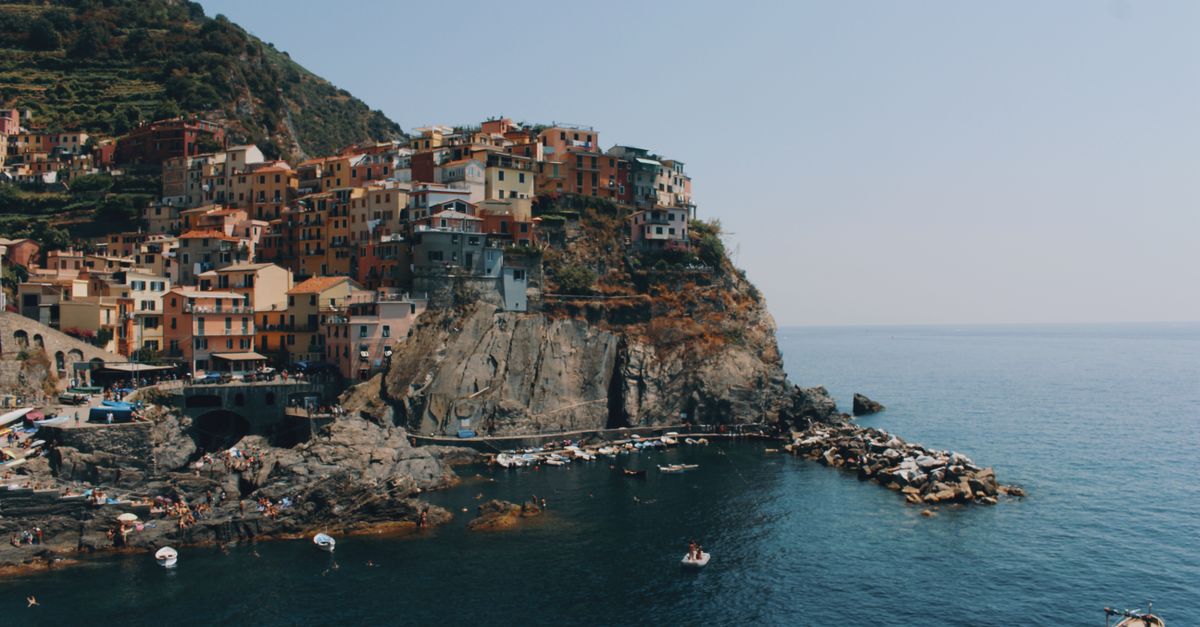
The Adriatic's Best-Kept Secret (And No, It's Not Hvar)
Everyone flocks to Hvar and Dubrovnik, and honestly, they're missing the point. Komiza, on the island of Vis in Croatia, is everything you actually wanted Croatia to be — stone alleys, fishing boats bobbing in the harbor, and zero cruise ships. I spent four days there and heard more Croatian than English the entire time. The locals still remember when the island was a military base closed to outsiders, so they don't take tourists for granted. Eat at a konoba along the water, order the grilled fish, and don't ask what it costs — it's less than your airport coffee.
Then there's Ulcinj in Montenegro, way down south near the Albanian border. It's got a small-town soul, a long sandy beach that feels oddly empty, and a fascinating mix of cultures you won't find further north. Here's what most people miss: the old town sits on a cliff above the sea, and at sunset, it's genuinely one of the most beautiful scenes in the Balkans. Bring a camera, and bring an appetite — the seafood is criminally underpriced.
Italy's Coastline Is Lying to You
You know the Amalfi Coast. You've seen the photos. You've seen the crowds in the photos, too. So let me introduce you to Cefalù's quieter cousin on the Ligurian coast — Noli. It's a tiny medieval town with a crumbling castle, a beach the color of faded denim, and a main square where old men argue about football at a volume that suggests it's life or death. I've found that hidden coastal towns in Italy like this one are the real deal precisely because nobody's bothered to put them on a tour route. Go in shoulder season, rent a bike, and ride up the coast — you'll pass villages that look like they were painted by someone with a very romantic imagination.
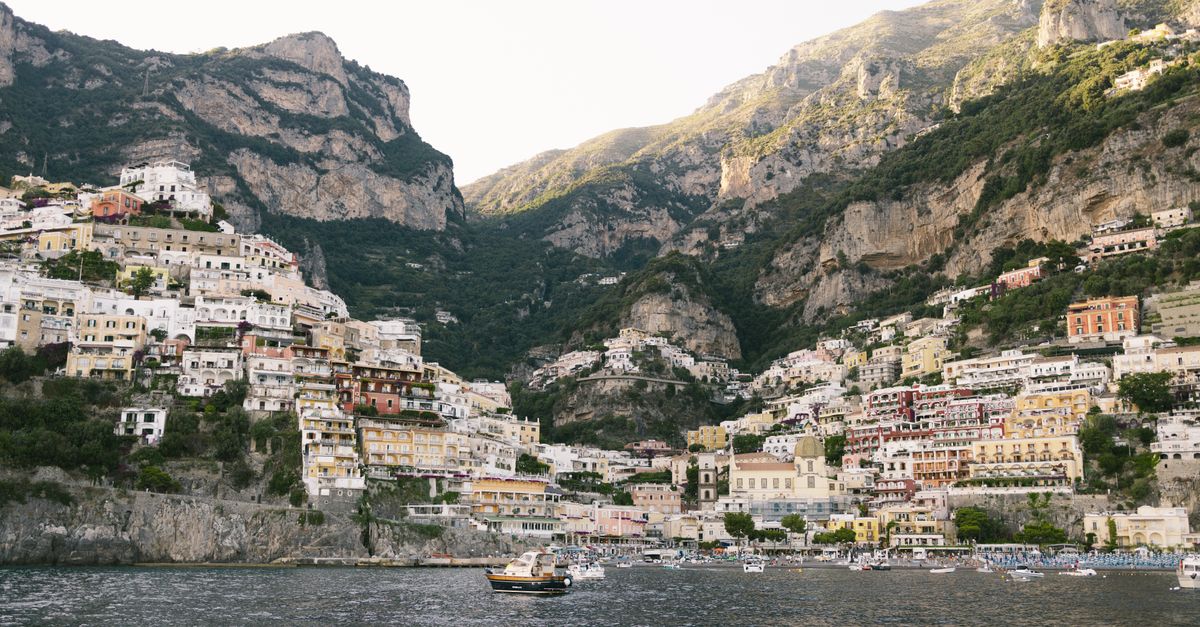
Further south, Santa Maria di Leuca sits at the very tip of Puglia, where the Ionian and Adriatic seas meet. It's got a lighthouse, a basilica, and a vibe that's half holiday, half end-of-the-world. It's not undiscovered by Italians — but international travelers? Almost none. That's your window.
The Iberian Gems That Time Forgot
Portugal's Zambujeira do Mar is what the Algarve would look like if it hadn't been swallowed by resorts. It's a village of whitewashed houses perched on cliffs above a beach so dramatic it makes you want to write poetry you'll never show anyone. The Atlantic is cold, the fish is fresh, and the closest thing to a crowd is a surf school van. I stayed in a guesthouse where the owner made me breakfast and then apologized for the weather. The weather was perfect.
Spain's Ortigueira in Galicia is another one locals guard like a family recipe. It's got fjords — actual fjords, called rías — wild beaches, and a Celtic music festival that draws people from all over, yet somehow the town never feels overrun. Here's what most people miss: Galicia's coast is arguably the most underrated in all of Europe, and its hidden coastal towns are where you'll find the soul of Spanish seaside life without a single English menu in sight.
The Islands Nobody's Instagramming (Yet)
Sifnos in Greece doesn't get the hype of Santorini or Mykonos, and that's exactly why you should go. It's got whitewashed villages, 200+ churches, and a food culture so serious that locals argue about which taverna has the best chickpea stew. I've found that the Cyclades' quieter islands are where Greek hospitality actually lives — you'll get invited to someone's table before you've finished your first swim. Just don't tell them I sent you.
Up north, Kihnu Island in Estonia is about as far from a typical beach holiday as you can get — boggy, windswept, and utterly bewitching. The women of Kihnu keep traditional culture alive while the men are at sea, and the whole island feels like a time capsule. It's not for everyone. But if you want a hidden coastal town that's genuinely unlike anywhere else in Europe, this is it.
The Wild Cards Worth the Detour
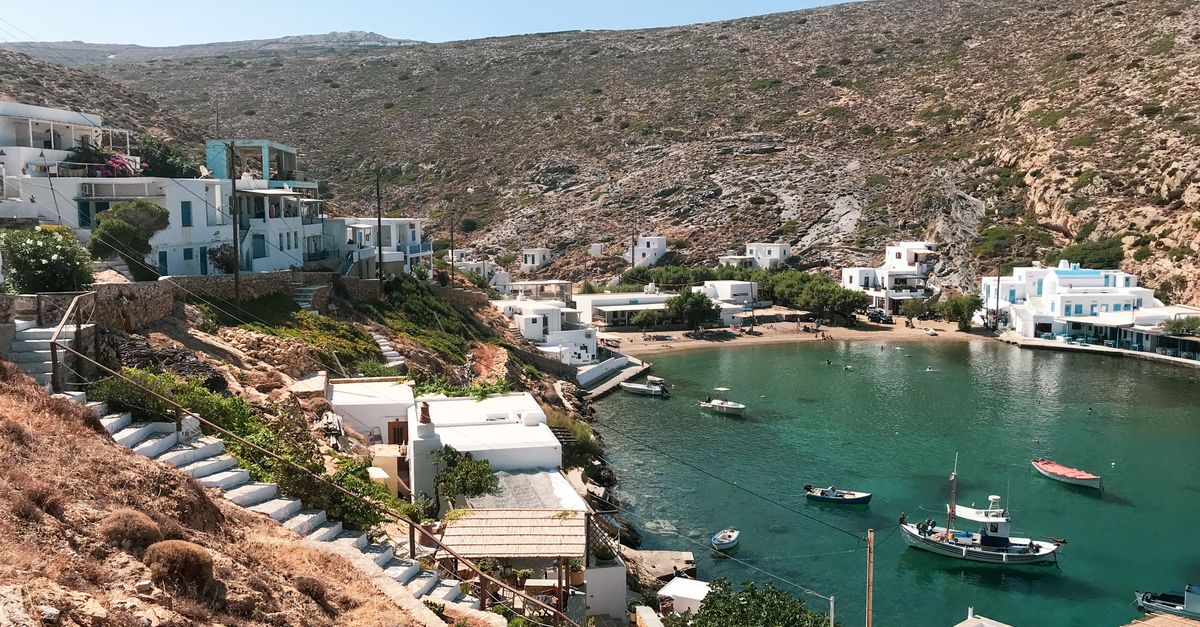
Fuseta in Portugal's Algarve somehow stays off the radar despite being right in the middle of one of Europe's busiest regions — because the big resorts ignored it. It's got a working fishing harbor, a handful of restaurants, and the kind of unhurried rhythm that makes you forget what day it is.
Bosa in Sardinia is a rainbow of pastel houses stacked along a river, crowned by a castle, and it's one of the most photogenic places I've ever stood. Yet it barely registers on the international travel radar. Go now, before someone writes a listicle about it. (Yes, I see the irony.)
And finally, Rovinj's neighbor — Bale in Istria, Croatia — is a hilltop village with cobbled lanes and a restaurant scene punching way above its weight. It's close enough to the coast for beach days and far enough from the crowds to feel like a discovery.
The Real Reason Locals Keep These Places Quiet
It's not snobbery. It's protection. These hidden coastal towns in Europe survive because they haven't been flattened by the machine of mass tourism, and the people who live there know exactly what happens when the machine arrives. So here's my ask: go, spend money with locals, learn a few words of the language, and treat these places like you're a guest in someone's home — because you are.
The world is full of places begging to be seen. These ten are begging to be respected. That's the difference.
So — which one are you booking first? And when you get there, do me a favor: tell them Tyrone sent you. Then pretend you didn't.


