My grandmother solved crossword puzzles with a fountain pen. No erasing, no second-guessing — just that scratchy nib moving across the newsprint like she already knew every answer was there. I used to think it was just a quirky habit of hers, something to keep her hands busy while the tea steeped. But now, at 34, watching my own memory do things like forget why I walked into the kitchen, I'm starting to think she was onto something bigger than puzzles.
Here's what most people miss about brain power: it's not something you're born with and stuck with. It's more like a garden. You can either tend to it daily or watch it go to seed. And the wild part? Some of the best brain-boosting habits are things you're probably already doing — you just don't realize they're quietly firing up your neurons.
Let me walk you through the ones I've found actually matter.
The Morning Rituals That Rewire Your Focus
I used to roll out of bed and immediately grab my phone. Emails, headlines, the group chat chaos — all before my feet hit the floor. Then I read about something called attention residue, which is basically the mental gunk that builds up when you switch tasks constantly. Your brain never fully disengages from the last thing, so you're always operating at partial capacity.
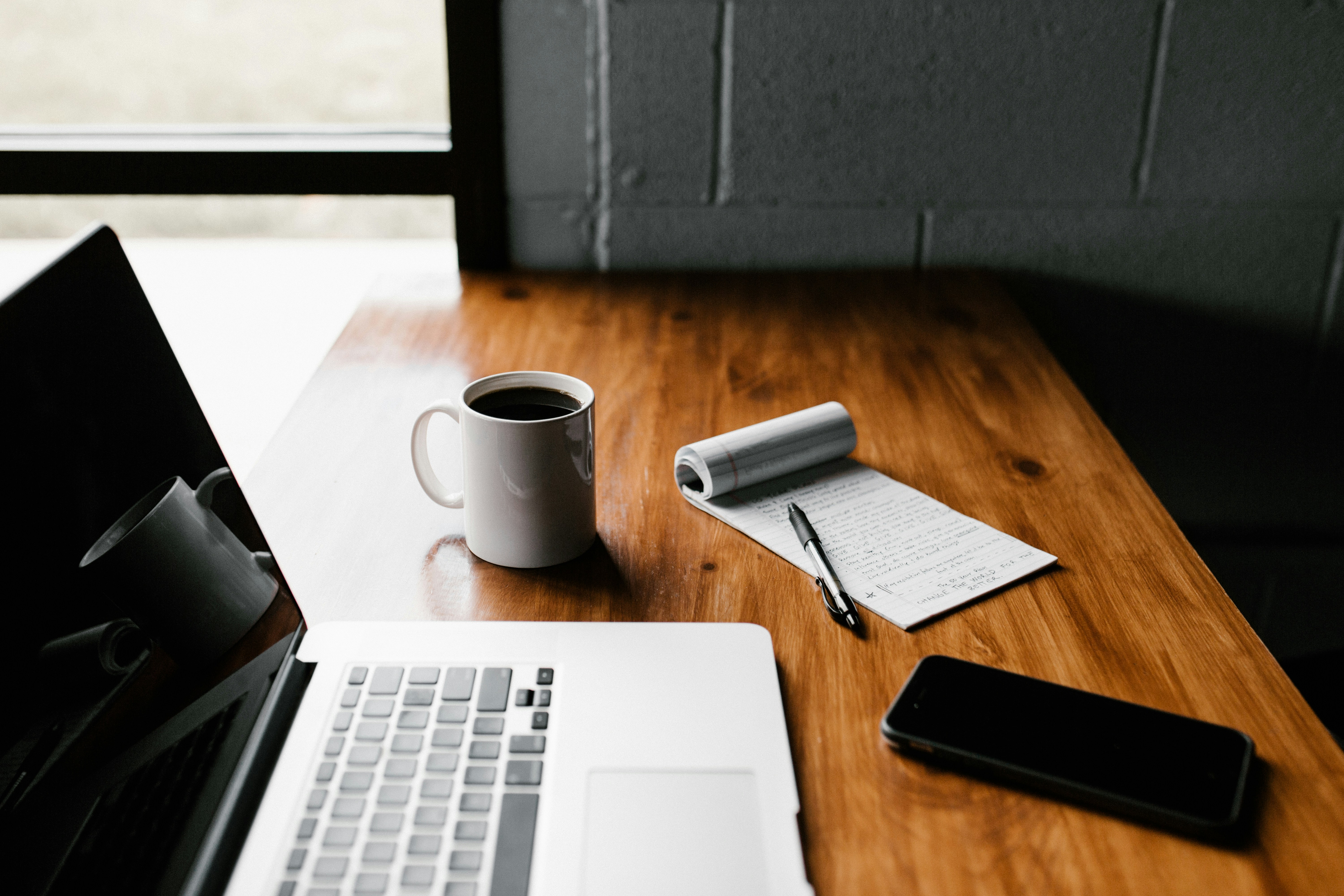
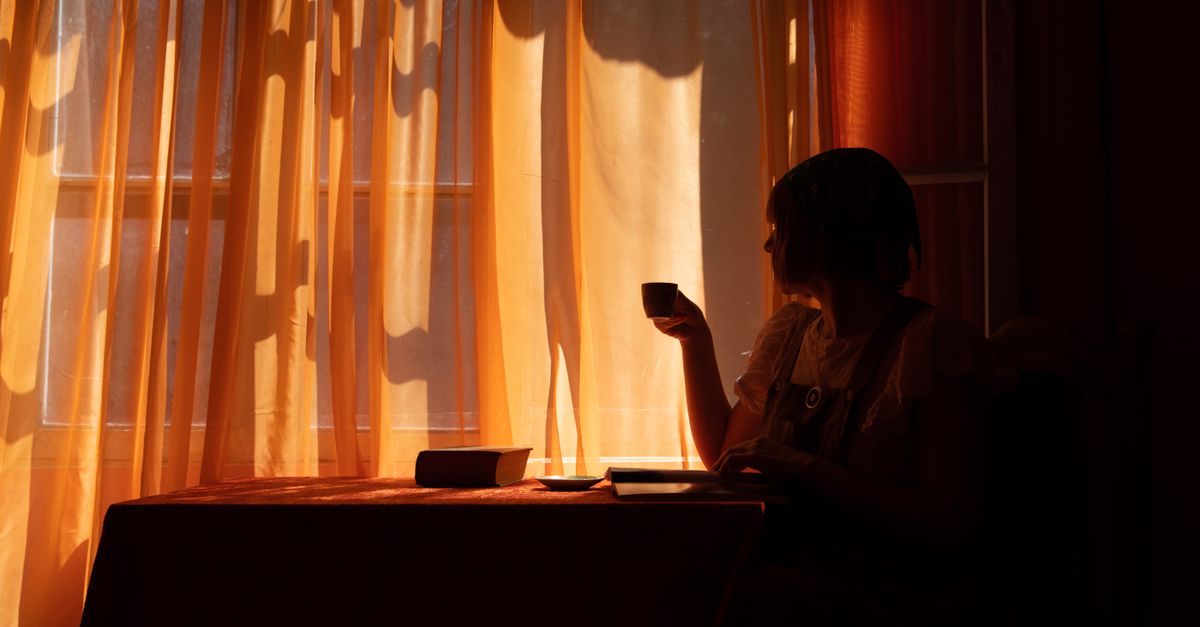
So I tried something radical. For one week, I didn't touch my phone for the first 30 minutes after waking. Instead, I made coffee and just... sat there. Watched the steam. Listened to the birds losing their minds outside my window.
It felt wasteful at first. But by day four, something shifted. My thoughts were sharper. I could hold an idea in my head without it slipping away. That's not magic — it's your brain getting a chance to consolidate and prepare for the day instead of being ambushed by notifications.
Here's the habit: Give your brain 20-30 minutes of quiet before the input flood begins. No screens, no news, no scrolling. Just you and your thoughts. It's harder than it sounds, and that's exactly why it works.
The Sneaky Power of Doing Things Badly
I've found that trying new things badly is one of the most underrated brain exercises out there. Last year, I attempted to learn guitar. I was terrible. My fingers felt like they belonged to someone else, and my chords sounded like a cat walking across a piano.
But here's the thing — my brain loved it.
When you struggle with something unfamiliar, your brain builds new neural pathways. It's called neuroplasticity, and it's the closest thing we have to a fountain of youth for your mind. The key is the struggle part. If you're good at something, your brain is basically on autopilot. No new connections being formed. But when you're fumbling through a new skill? That's when the magic happens.
So I made a rule for myself: always be bad at something. Right now, it's learning basic Portuguese phrases on my commute. Before that, it was trying to cook without a recipe. The bar is on the floor, and my brain is thriving.
Why Your Feet Are Smarter Than You Think
Let's be honest — most of us sit too much. We sit to work, sit to eat, sit to relax, sit to scroll. Our brains evolved while our ancestors were walking 10,000 steps a day, and now we're lucky if we hit 3,000.
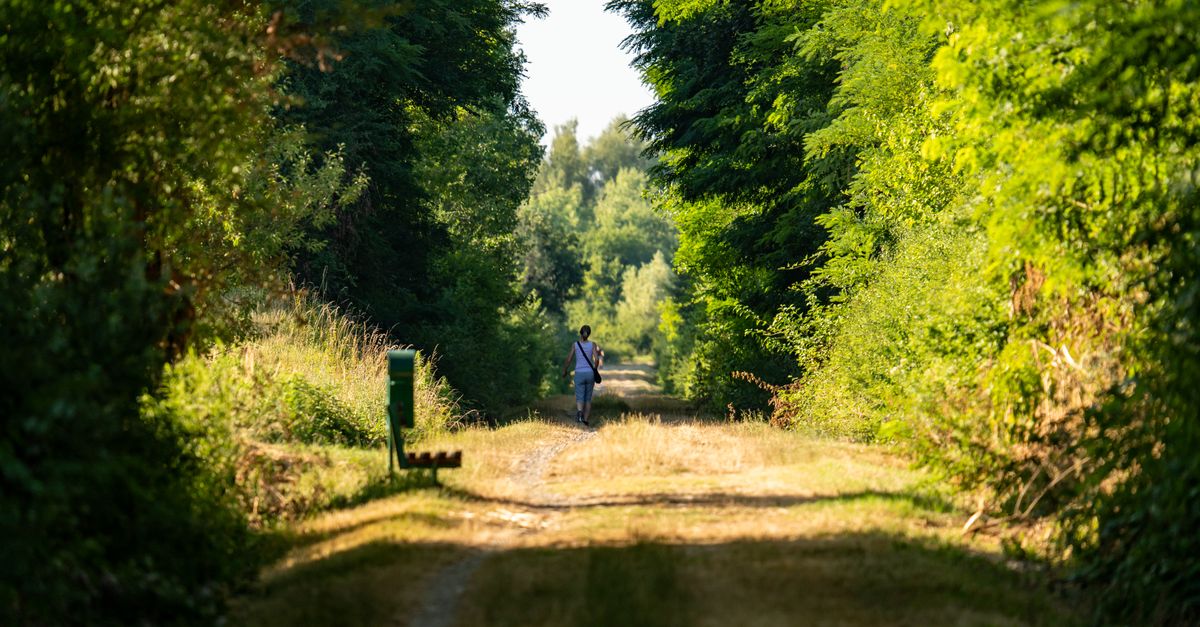
I started taking a 15-minute walk after lunch, mostly because my back was complaining. But the unexpected side effect was mental clarity. Ideas that felt tangled suddenly straightened out. Problems that seemed impossible got smaller.
Walking increases blood flow to the brain, and some research suggests it can boost creative thinking by up to 60%. That's not a small number. That's the difference between staring at a blank page and having three decent ideas before you reach the end of your street.
The habit doesn't need to be fancy. No gym membership, no special shoes. Just move your body regularly, especially when you're stuck on something. Your brain will thank you.
The Social Habit Nobody Talks About
Here's one that surprises people: having real conversations is brain food.
Not texts. Not likes. Not emoji reactions. Actual back-and-forth talking where you have to listen, process, and respond in real time. I'm talking about the kind of conversation where you leave feeling like your brain got a workout.
I noticed this during the pandemic when my social life shrunk to Zoom calls and voice notes. My thinking felt duller, slower. When I started having regular phone calls with a friend who loves debating everything from movies to politics, I felt sharper within weeks.
Social interaction exercises multiple brain regions at once — memory, attention, language, empathy. It's like a full-body workout for your mind. And the best part? It doesn't feel like exercise. It just feels like being human.
So call someone. Meet for coffee. Argue about whether pineapple belongs on pizza. Your brain will soak it up.
The Habit That Feels Like Cheating
I'll be honest — I resisted this one for years. Sleep. I wore my late nights like a badge of honor, convinced I was getting more done by sacrificing rest. I was wrong.
Sleep is when your brain does its housekeeping. It clears out toxins, consolidates memories, and prepares for the next day. Skimp on it, and you're basically letting the mental trash pile up.
The habit here isn't complicated: protect your sleep like it's your job. Same bedtime, dark room, no screens for the last hour. I know, I know — easier said than done. But after two weeks of actually trying, I noticed my mood improved, my focus sharpened, and I stopped forgetting why I walked into rooms.
That's not a small win. That's everything.

The Bottom Line on Brain Power
My grandmother passed away a few years ago, but her crossword puzzles are still on a shelf in my parents' house. Sometimes I think about that fountain pen and the way she never seemed to slow down mentally, even in her eighties.
She wasn't doing anything exotic. She was walking, talking, sleeping well, and challenging her brain with puzzles and new recipes and conversations that went late into the evening. She was living in a way that kept her mind active, and it showed.
Here's what I want you to take away from all this: you don't need a special program or a pricey supplement to boost your brain power. You need the stuff you're probably already doing — movement, sleep, conversation, curiosity — just done with a little more intention.
So here's my challenge for you this week: pick one habit from this list and actually do it. Not tomorrow. Not next Monday. Today. Take a walk without your phone. Call a friend who makes you think. Try something you'll be bad at. Go to bed an hour earlier.
Your brain is waiting. It's been waiting this whole time.
What's the one habit you're going to start? I'd love to hear about it — drop a comment or find me on the socials. Let's compare notes.