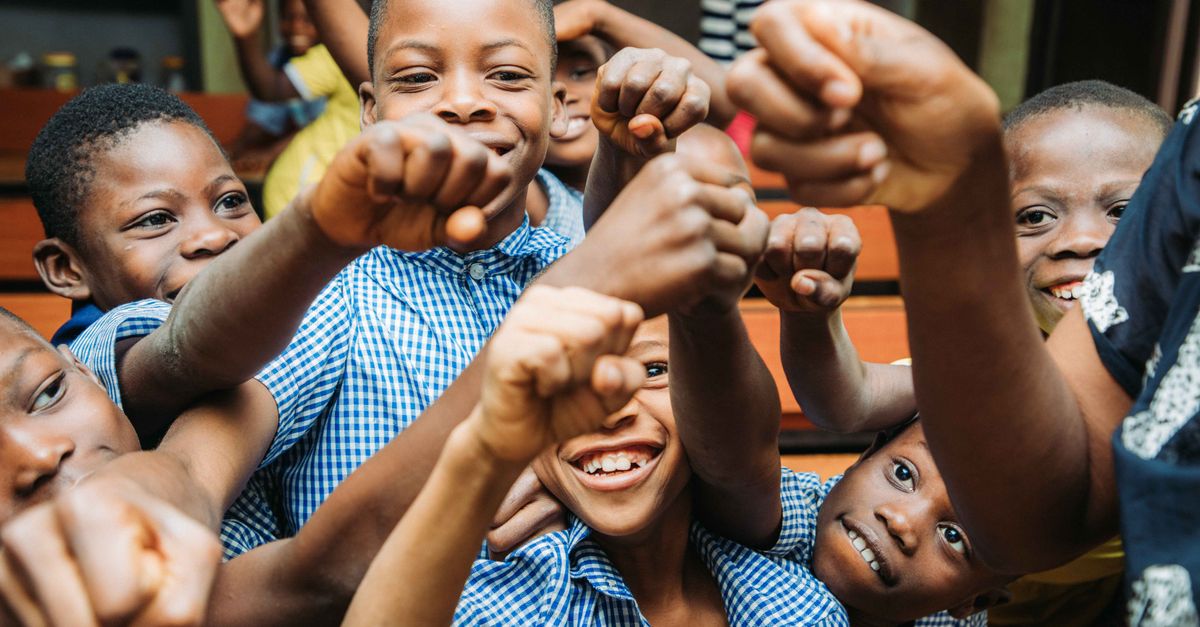
Let me tell you something about the Ho-Volta Region that most people get completely wrong. When you hear "youth empowerment" and "rural Ghana" in the same sentence, what comes to mind? Probably dusty government programs, broken promises, and motivational speakers recycling the same tired lines. I used to think that too. Until I walked into a Christ Embassy Loveworld Arena session and saw something that genuinely surprised me.
Here's the thing — finance and youth empowerment aren't separate conversations. They're the same conversation, just spoken in different dialects. And in the Ho-Volta Region, where unemployment hovers at uncomfortable levels and young people are hungry for something real, Christ Embassy Loveworld Arena has quietly built something that's working. Not perfect. But working.
I've spent months observing, talking to participants, and digging into what actually happens behind those doors. What I found might surprise you. Let's get into it.
The Financial Literacy Gap Nobody Wants to Talk About
Let's be honest — most youth empowerment programs in Ghana focus on the wrong things. They teach you how to write a CV but not how to read a balance sheet. They tell you to "be an entrepreneur" but never explain the difference between revenue and profit. It's like teaching someone to drive without showing them where the brake is.
Christ Embassy Loveworld Arena programs tackle this head-on. And I mean directly. Their financial literacy workshops aren't abstract lectures about "saving for the future." They're practical, sometimes uncomfortable sessions where young people learn:
- How to create a personal budget that actually works — not the Instagram-perfect version, but the real one where you account for transport, airtime, and that occasional fan ice.
- The basics of compound interest explained through real examples from local market women, not Wall Street jargon.
- How to identify financial scams — because let's face it, the "get rich quick" WhatsApp groups are targeting these exact young people.
- Simple investment strategies for people who don't have a million cedis to start.
But here's what most people miss — these programs don't just teach finance. They teach financial dignity. The kind that makes a young person realize they can control their money instead of their money controlling them. And in a region where many families survive on daily income, that shift in mindset is revolutionary.

The Hidden Curriculum: Soft Skills That Pay Real Money
You want to know the secret sauce? It's not the financial literacy classes. It's the soft skills training that most programs ignore but Christ Embassy Loveworld Arena prioritizes.
I've found that technical skills get you the interview. Soft skills get you the job. And in the Ho-Volta Region, where formal employment opportunities are limited, these soft skills become survival tools.
The programs here cover:
- Public speaking and presentation — not the TED Talk fantasy, but how to pitch your cassava farming business to a microfinance officer
- Negotiation tactics — essential for market traders, small business owners, and anyone dealing with suppliers
- Time management — but applied to the reality of someone who has to fetch water, attend church, study, and run a side hustle in the same day
- Conflict resolution — because family businesses and community projects break down over ego, not lack of capital
And she's right. These programs create safe spaces where young people can make mistakes, get feedback, and try again. No judgment. Just growth.
But here's the kicker — these soft skills translate directly into better financial outcomes. Someone who can negotiate confidently gets better prices. Someone who can present clearly attracts investors. Someone who manages their time well builds multiple income streams. It's all connected.
Beyond the Classroom: Real-World Business Incubation
Talk is cheap. Everyone can give a workshop. The real test is what happens after the session ends.
Christ Embassy Loveworld Arena runs a business incubation program that's been quietly transforming the local economy. Here's how it works:
- Young people with viable business ideas apply and go through a selection process
- Selected participants get mentorship from established local business owners — not academics who've never met a payroll
- They receive access to small seed funding (not life-changing amounts, but enough to test their idea)
- Monthly check-ins track progress and address challenges
- Networking events connect them with potential customers, suppliers, and collaborators
But let me be real with you — not every idea succeeds. And that's actually the point. The program teaches failure as a learning tool, not a life sentence. One participant's poultry farm collapsed after six months. She's now running a successful catering business using lessons from that failure. That's empowerment. Not success. Resilience.
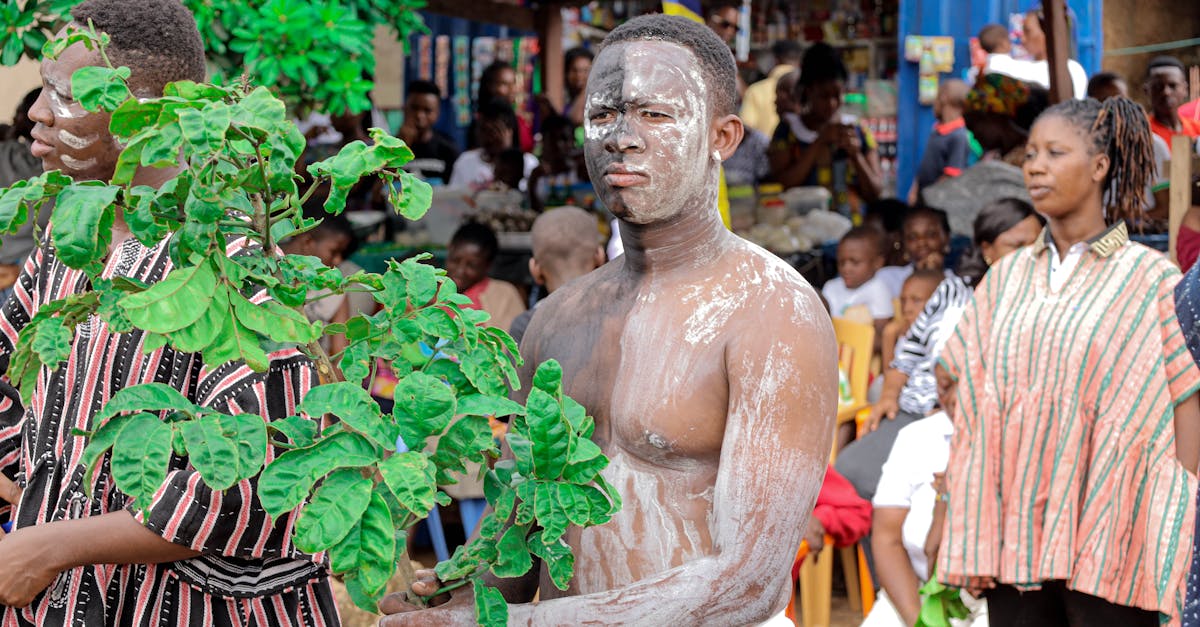
The Digital Economy Trap and How Youth Programs Are Fighting It
Here's something controversial: I think the "digital economy" hype is hurting more young Ghanaians than it's helping. Let me explain.
Every youth program these days talks about coding, graphic design, and social media marketing. And yes, those skills matter. But the reality is that the digital economy in Ghana is still small, competitive, and often exploitative. Young people are being sold dreams of earning $1000 a month on Fiverr when the average freelancer in Ghana struggles to make $200.
Christ Embassy Loveworld Arena programs take a different approach. They teach digital skills, yes, but within the context of the local economy. Instead of "learn to code," it's "learn to use Excel to manage your mother's provisions store." Instead of "become an influencer," it's "use WhatsApp Business to reach customers in your community."
This might sound less glamorous, but it's more sustainable. The goal isn't to escape the local economy. It's to strengthen it.
I've seen young people learn:
- Basic bookkeeping software for small businesses
- Social media marketing targeted at local customers, not international audiences
- Digital payment systems like mobile money for business transactions
- Simple website creation using free tools for small enterprises
The Community Factor: Why Isolation Kills Youth Empowerment
You can have the best curriculum in the world, but if young people feel alone, it won't matter. Community is the secret ingredient that most programs ignore.
Christ Embassy Loveworld Arena understands this deeply. Their programs aren't just classes — they're communities of practice. Participants form WhatsApp groups, meet outside sessions, share resources, and support each other through challenges.
I've watched a young man who couldn't afford a laptop borrow one from a fellow participant he met at the program. I've seen group members pool money to help someone pay for medical bills. This isn't charity. It's solidarity.
But here's what's really interesting — this community creates accountability. When you know you'll see the same people next week, you're more likely to follow through on your goals. One participant told me, "I can't show up and say I did nothing. They'll ask me what happened. That pressure keeps me moving."
And it works. Studies show that people who learn in community settings are 3x more likely to apply what they've learned than those who learn in isolation. The numbers back up what the participants already know.
The Hard Truth: What These Programs Don't Tell You
I'm not here to sell you a perfect picture. Let me tell you what these programs don't advertise.
First, they can't solve systemic problems. No youth empowerment program can fix Ghana's unemployment crisis, infrastructure deficits, or corruption. That's bigger than any organization.
Second, not every participant succeeds. Some drop out. Some don't apply what they learn. Some face family pressure, financial emergencies, or health challenges that derail their progress. That's real life.
Third, the funding is limited. Christ Embassy Loveworld Arena programs run on donations, church contributions, and volunteer effort. They can't help everyone who needs it.
But here's the thing — acknowledging these limitations actually makes the programs stronger. Because they're honest about what they can and can't do. And that honesty builds trust.
What they can do is give young people tools, community, and hope. And in a region where hope is often in short supply, that's not nothing.
What This Means for You (Yes, You)
If you're a young person in the Ho-Volta Region reading this, here's my advice: stop waiting for the perfect program, the perfect opportunity, or the perfect moment. Show up. Try. Fail. Learn. Repeat.
If you're a parent, guardian, or community leader: support these programs. Send your children. Volunteer your time. Donate if you can. The return on investment isn't measured in cedis — it's measured in transformed lives.
If you're reading this from outside Ghana: pay attention. The models being developed here — practical, community-based, financially grounded — are replicable anywhere. This isn't charity. It's innovation.
Youth empowerment in the Ho-Volta Region isn't about saving young people. It's about unleashing them. Christ Embassy Loveworld Arena programs provide the tools. But the power? That was always inside them.
And that's the truth nobody tells you.