I remember the first time I saw a kid from a small village in the Volta Region step onto a stage and command a room like he was born for it. He wasn’t a politician or a celebrity. He was a 16-year-old boy named Kofi, who just months earlier had been too shy to speak in front of his classmates. That day, he was delivering a speech about renewable energy in front of 200 people. His voice didn’t crack. His hands didn’t shake. He owned it.
That moment wasn’t a miracle. It was the result of something quietly revolutionary happening in the Ho Volta Region — something most people outside the area don’t even know exists. I’m talking about the Christ Embassy Loveworld Arena programs and services that are reshaping what youth empowerment looks like in this part of Ghana.
Let’s be honest: when you hear “youth empowerment,” you probably think of generic workshops, boring seminars, or politicians handing out notebooks before an election. Not here. What’s happening in Ho is different. It’s raw. It’s practical. And it’s working.
The Hidden Engine Behind Volta’s Rising Youth
Here’s what most people miss: real youth empowerment isn’t about motivation — it’s about infrastructure. You can tell a young person they can be anything they want, but if they don’t have the tools, the platform, or the guidance, that’s just noise.
The Christ Embassy Loveworld Arena in Ho gets this. They’ve built a system that doesn’t just talk about potential — it actively creates environments where that potential can breathe. I’ve spent time visiting their programs, and I can tell you, the difference between this and your typical NGO project is night and day.
Their approach rests on four pillars that most youth programs ignore:
- Skill-based mentorship — not just career advice, but hands-on training in tech, public speaking, and entrepreneurship
- Platform creation — actual stages, events, and media channels where young people can showcase their work
- Community accountability — peer groups that meet weekly, not monthly
- Mental resilience training — because let’s face it, the real enemy isn’t lack of opportunity, it’s fear of failure
Why Traditional Education Is Failing — And What Loveworld Arena Does Differently
Let’s call a spade a spade. The education system in Ghana, especially in rural areas, is stuck in a 19th-century model. Memorize facts. Pass exams. Get a certificate. Hope for the best. It’s designed to produce compliant workers, not innovative leaders.
The Christ Embassy Loveworld Arena programs and services are the antidote to that.
I sat in on one of their Saturday leadership sessions, and I was blown away. Instead of lecturing, the facilitator asked the group a simple question: “What problem in your community drives you crazy?” The answers ranged from poor sanitation to lack of internet access. Then instead of giving them solutions, she asked: “What’s the smallest thing you can do about it this week?”
That’s the secret sauce. They don’t wait for government grants or international funding. They teach young people to start where they are, with what they have. One group of 14-year-olds started a neighborhood clean-up campaign using only plastic bags and their own hands. Another group created a small library from donated books in someone’s living room.
Here’s what I love about this approach: it kills the victim mentality. When you give a young person a problem they can actually solve, you’re not just teaching them a skill — you’re showing them they have agency. That’s a lesson no textbook can deliver.
What the Programs Actually Look Like
If you’re wondering what “youth empowerment” looks like on a Tuesday afternoon in Ho, here’s the reality:
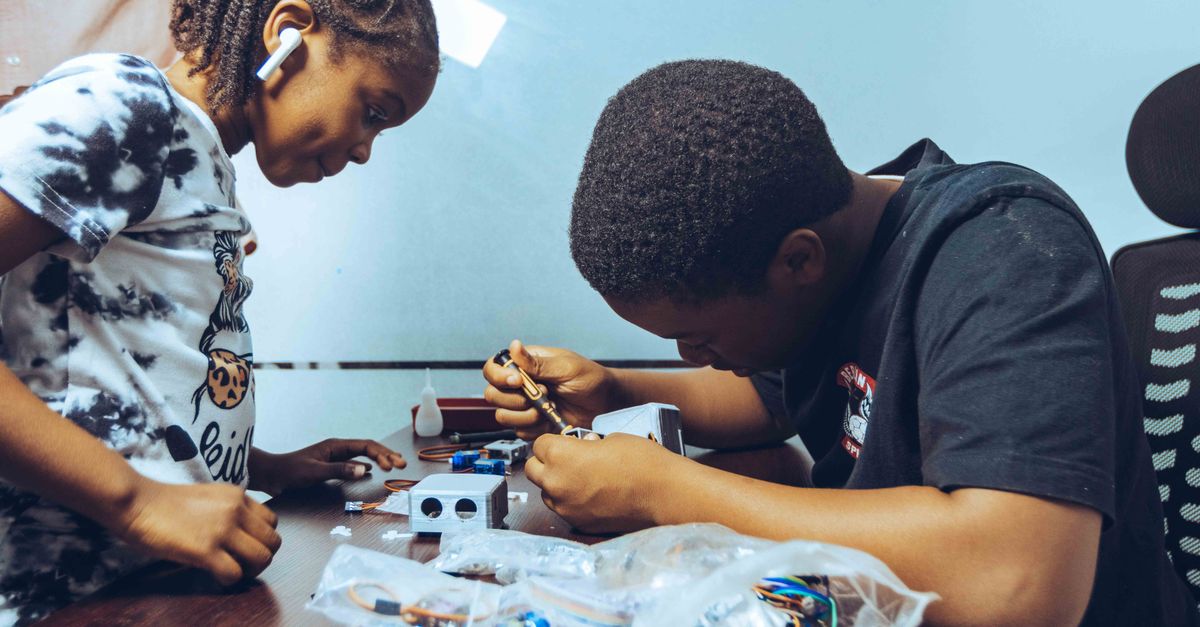
- Tech Bootcamps — basic coding, graphic design, and video editing. But here’s the twist: they use local problems as case studies. One student designed an app to help farmers track market prices.
- Public Speaking Labs — weekly practice sessions where kids critique each other. No sugar-coating. They learn to take feedback like it’s fuel.
- Entrepreneurship Clinics — not business theory, but actual revenue generation. I met a 19-year-old who started a small snack business using her grandmother’s recipe. The Arena helped her with packaging and pricing.
- Media and Arts Programs — video production, music, and drama. These aren’t just hobbies; they’re pathways to income. One group produces short films that get screened at local community events.
The Surprising Role of Faith in Practical Empowerment
I know what you’re thinking. “Carlos, this is a church program, right? Isn’t it just going to be about preaching?”
Fair question. But here’s the thing: Christ Embassy Loveworld Arena programs and services don’t hide their spiritual foundation — but they also don’t force it. The empowerment work stands on its own merit.
What I’ve observed is that faith provides something critical that secular programs often miss: a sense of purpose beyond profit. These young people aren’t just chasing money or status. They’re being trained to see themselves as agents of change in their communities. The spiritual component gives them resilience when things get hard — and let’s be honest, things get hard for young people in rural Ghana.
One of the facilitators told me something that stuck: “We don’t teach them to pray away their problems. We teach them to pray and work.” That balance is rare. Most faith-based programs are heavy on the spiritual and light on the practical. This one is different.
I’ve watched kids go through the program and come out with a strange kind of fire. They’re not waiting for permission anymore. They’re not waiting for someone to save them. They’re building their own tables instead of begging for a seat at someone else’s.
The Real Challenge — And Why It Matters for Ghana’s Future
Let’s not pretend everything is perfect. The program faces real obstacles. Funding is inconsistent. Venues can be overcrowded. Some parents are skeptical, especially about the tech training — they’d rather their kids focus on “serious” subjects like math and science.
But here’s the shocking truth: the biggest obstacle isn’t money or resources — it’s mindset. Many young people in the Volta Region have been told their whole lives that opportunity lives in Accra, or abroad, or somewhere else. The idea that they can build something meaningful right where they are feels almost foreign.
That’s why the Christ Embassy Loveworld Arena programs and services are so essential. They’re not just teaching skills. They’re rewiring the internal narrative. They’re replacing “I can’t” with “How can I?”
I’ve seen it happen in real time. A girl named Akua showed up to her first session barely making eye contact. She’d been told she wasn’t “smart enough” for university. Eight months later, she was running the social media page for a local NGO. She’s now saving money for a laptop. She’s planning to start a small graphic design business.
That’s not a charity case. That’s a future CEO in the making.
What You Can Do — Even If You’re Not in Ho
Maybe you’re reading this from Accra, or Lagos, or London. Maybe you’ve never even heard of Ho. But here’s the thing: youth empowerment is contagious. What’s working here can work anywhere.
If you’re involved in education, community development, or youth work, steal what they’re doing:
- Stop waiting for perfect resources. Start with what’s available.
- Stop lecturing. Start facilitating.
- Stop focusing on problems. Start focusing on what young people can actually do today.
The future of Ghana isn’t being built in boardrooms or government offices. It’s being built in community halls, under mango trees, and on makeshift stages in places like Ho. And it’s being built by teenagers who refused to believe that their zip code determined their destiny.
That’s the kind of revolution worth paying attention to.