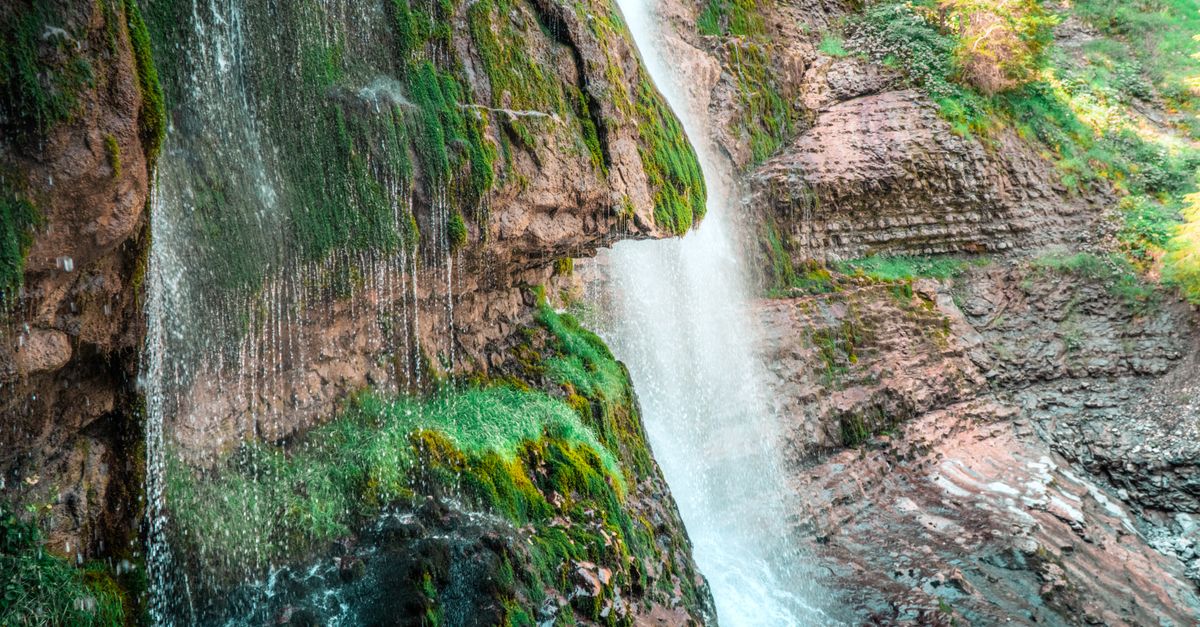
Let me tell you something about the Wli Waterfalls that no travel blog will ever admit: it’s not just a hike—it’s a crash course in geology, physics, and patience. I packed my bag last weekend expecting a simple nature escape. What I got was a lesson in how water shapes the earth, how gravity doesn’t negotiate, and how your phone battery will die exactly when you need it most.
You’re not here for generic advice like “wear comfortable shoes” or “bring a camera.” Those are table stakes. I’m Yan Gao, and I dig into the why behind the adventure. So let’s talk about the Wli Waterfalls weekend trip like it’s a classroom without walls—and I’m your slightly sarcastic, deeply curious professor.
Why Wli Waterfalls Should Be on Your Syllabus (Yes, Syllabus)
Most people treat waterfalls like Instagram props. They snap a selfie, tick a box, and move on. But Wli is different. It’s the highest waterfall in West Africa—a 80-meter vertical drop that’s been carving rock for millennia. Standing at the base, you’re staring at a living laboratory.
Here’s what most people miss: the waterfall is actually two separate falls—the Lower Falls and the Upper Falls. The Lower Falls is the one you see in every photo. The Upper Falls requires a guide, a bit of scrambling, and a willingness to get muddy. I’ve found that the Upper Falls teaches you more about geology in 30 minutes than a semester of textbooks.
Why? Because you watch erosion happen in real time. The water doesn’t just fall—it saw through the rock. Every splash is a tiny chisel. Over centuries, that chisel carves a gorge. Standing there, you realize that patience isn’t a virtue; it’s a physical force.
Keyword drop: This is why I call the Wli Waterfalls a “natural classroom.” You can’t fake this stuff.
The 3 Surprising Lessons You Learn When You’re Soaked and Out of Breath
Let’s be honest: the hike to the falls is not a casual stroll. It’s a 45-minute walk through the Agumatsa Wildlife Sanctuary, which sounds romantic until you’re stepping over roots, dodging butterflies the size of your hand, and wondering if that rustling in the bushes is a monkey or your imagination.
Lesson #1: Water is heavier than you think. I’m not talking about the volume of the falls. I’m talking about the mist. By the time you reach the base, you’re drenched. Not “refreshing mist” drenched—soaked to the bone drenched. Your shirt weighs double. Your shoes squelch. You realize that water has mass, and it’s not polite about it.
Lesson #2: Sound is a physical presence. The roar of Wli Waterfalls isn’t background noise. It’s a pressure wave. You feel it in your chest. Try having a conversation—you’ll be shouting three inches from someone’s ear. This isn’t just loud; it’s a demonstration of acoustic physics. The water’s kinetic energy converts to sound energy, and your ears are the lab equipment.
Lesson #3: The ecosystem is a tightrope. Notice the moss? The ferns? The tiny crabs scuttling on wet rocks? Every organism here is a specialist. They’ve adapted to constant water, low light, and high humidity. If you move a rock two feet away from the spray, the moss dies. That’s not poetic—that’s ecological precision. Most people walk past it. I make my students stop and count species.

How to Hack the Wli Waterfalls Weekend Trip for Maximum Learning
You want the real experience? Not the tourist version? Here’s my personal playbook—the one I’ve refined over four trips, three soaked notebooks, and one near-miss with a baboon.
1. Go on a weekday morning. Weekends are a circus. Tour buses, selfie sticks, and people who treat nature like a backdrop. Tuesday at 7 AM is the sweet spot. You get the falls to yourself, and the light hits the water at an angle that makes rainbows. Real, physics-based rainbows. Not filtered ones.
2. Bring a waterproof notebook. Seriously. I use a Rite in the Rain notebook. Write down what you observe. Not “nice waterfall”—detail. “The mist creates a 20-foot halo. The rock is layered sandstone. I see three species of fern within 10 feet.” That’s not just journaling; that’s field science.
3. Hire a local guide for the Upper Falls. Most tourists stop at the Lower Falls. That’s like going to a library and only reading the cover. The Upper Falls is a hidden classroom. Your guide will point out bat caves, medicinal plants, and the exact spot where the water cuts deepest. Ask them questions—they know more than any Wikipedia page.
4. Pack dry clothes in a ziplock bag. Not for after the hike. For during the hike. Change into your dry clothes at the base, then walk back dry. Trust me on this. A 45-minute walk in wet clothes invites chafing, cold, and misery. You’re here to learn, not to suffer unnecessarily.
5. Measure something. I’m serious. Time the water flow. Count how many seconds it takes for a leaf to travel from the top to the bottom. Estimate the volume. You’ll never look at a waterfall the same way again. I’ve found that measurement turns wonder into understanding.
The Hidden Curriculum: What the Wli Waterfalls Teach About Physics, Biology, and Human Nature
This is the part most travel articles skip. Wli Waterfalls isn’t just a natural wonder—it’s a mirror. Here’s what I mean:
Physics in action: The waterfall demonstrates conservation of energy. Potential energy at the top becomes kinetic energy at the bottom. The mist is water breaking into droplets—surface tension vs. gravity. Standing there, you’re watching a physics problem solve itself.
Biology in practice: The sanctuary is home to over 300 bird species. I’ve counted 12 in one hour. The bats in the cave behind the Upper Falls? They echolocate. You can hear them click if you’re quiet. That’s not spooky—that’s evolution.
Human nature exposed: Watch how people react. Some rush to the selfie spot. Some sit in silence. Some try to climb the rocks (don’t—I’ve seen people slip). The waterfall reveals your relationship with awe. Do you consume it, or do you sit with it? That’s a question worth answering.

Why This Weekend Trip Changed How I Teach (And How You Should Learn)
I’ve been a guide for years, and I used to think learning happened in classrooms. Wli Waterfalls broke that illusion.
Here’s the truth: The best education is messy, wet, and unpredictable. You can’t control the weather. You can’t pause the waterfall. You have to adapt. That’s the skill most schools don’t teach—learning in chaos.
I now start every semester with a question: What did you notice that you almost missed? The students who’ve been to Wli always have the best answers. They talk about the moss pattern. The sound gradient. The way the light changes at noon. They’ve trained their eyes to see.
You can do that too. This weekend trip isn’t a vacation—it’s a brain reset. You leave with mud on your shoes and clarity in your head. The waterfall doesn’t care about your schedule. It just falls. And if you pay attention, you learn.
The Last Drop: What You Take Home From Wli Waterfalls
I’ve been to Wli four times. Each time, I learn something different. First trip: geology. Second: ecology. Third: patience. Fourth: humility.
Because here’s the thing about the highest waterfall in West Africa—it’s been there for thousands of years. It will be there long after you’re gone. That’s not depressing. That’s perspective.
So here’s my call-to-action: Plan your Wli Waterfalls weekend trip. But don’t just go—go with questions. Bring a notebook. Measure something. Sit in silence for ten minutes. Let the mist soak your assumptions.
You’ll come back different. I guarantee it.
Now go book that trip. The waterfall is waiting.





