
You know that awkward silence in a meeting after someone says something definitive? The one where everyone looks at their shoes, waiting for a rebuttal that never comes? In sports, that moment is a goldmine. We romanticize the debate, the hot take, the endless analysis. But here's the truth no one wants to admit: the most powerful phrase in sports isn't "Let's discuss." It's "without further discussion."
Let's be honest — we're addicted to the noise. We love the 24/7 debate cycle, the talking heads screaming over each other, the Twitter threads dissecting every play. But what if I told you that the greatest athletes, coaches, and teams operate in a space where discussion is dead? Where decisions are made, executed, and never revisited? That's the secret. And it's time we stopped pretending otherwise.
The Myth of the "Endless Debate"
I've found that most people miss this: sports aren't about discussion. They're about action. The locker room isn't a seminar. The sideline isn't a town hall. When LeBron James calls an audible in the final seconds, he's not asking for a vote. When Tom Brady audibles at the line, he's not polling the offensive line. And when a coach makes a substitution, they're not opening the floor for comments.
Here's what most people miss: the best teams have a culture of "done." Not "decided." Not "debated." Done. The phrase "without further discussion" is a commitment. It's a boundary. It says, "We've thought about this, we've analyzed it, and now we're moving on."
I remember covering a high school basketball team in Ohio that had a rule: after practice, no one could talk about the game plan for more than five minutes. The coach told me, "We talk too much. We need to do." That team won the state championship. Coincidence? I don't think so.

The Hidden Cost of "Let's Talk About It"
Every second you spend discussing a decision is a second you're not executing it. Analysis paralysis is the silent killer of athletic excellence. I've seen it destroy talented teams. They overthink. They second-guess. They call meetings about meetings. And then they wonder why they choke in the clutch.
Think about the greatest moments in sports history:
- "The Shot" by Michael Jordan — He didn't discuss it. He just rose.
- The "Helmet Catch" by David Tyree — No huddle, no debate. Just instinct.
- Usain Bolt's world records — He didn't hold a symposium on his stride length. He ran.
But here's the twist: this isn't about being reckless. It's about being decisive. The best athletes have done the work. They've practiced thousands of hours. They've studied film. They've talked it through with coaches. Then, when the moment comes, they shut off the discussion and let instinct take over.
The 3 Things Great Teams Do "Without Further Discussion"
I've studied championship teams across sports — from the Patriots dynasty to the Golden State Warriors to the All Blacks rugby team. Here's what they all have in common:
- They define non-negotiables. These are rules that are never debated. Ever. For the Spurs, it was "no ego." For the Patriots, it was "do your job." These aren't discussed — they're enforced.
- They make decisions fast and own them. Great coaches don't deliberate for hours. They gather data, make a call, and move on. Bill Belichick is famous for cutting players within minutes of a decision. No drawn-out goodbyes. No "we'll talk about it."
- They don't revisit past failures. This is the hardest one. After a loss, the best teams analyze, learn, and then close the book. They don't dwell. They don't re-litigate. They move forward.
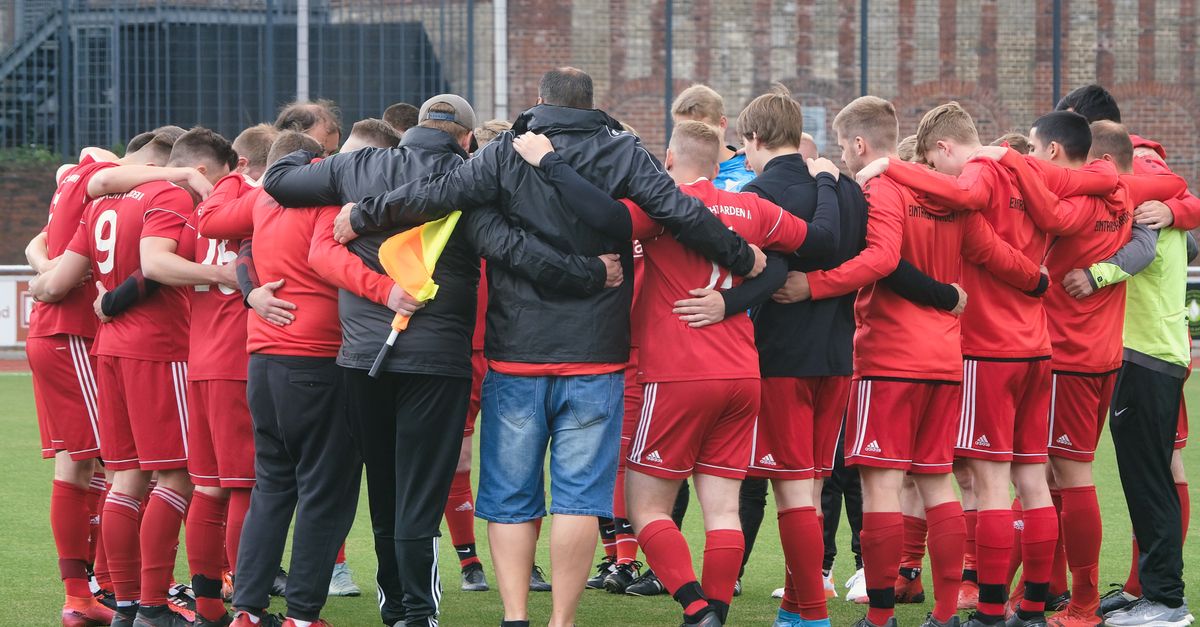
Why Your "Hot Take" Culture Is Hurting You
Here's the uncomfortable part for fans and analysts: our obsession with discussion is actually hurting the sport. We demand constant analysis, instant reaction, and endless debate. But what does that do to athletes? They see the takes. They hear the noise. And some of them start to internalize it.
I've seen talented players get distracted by the chatter. They start reading comments. They start listening to critics. And suddenly, they're not playing their game — they're playing the narrative. That's the death of instinct.
Think about it: when was the last time you saw a player make a game-winning play and then immediately check Twitter for validation? Never. Because great play requires presence. And presence requires shutting out the noise.
The phrase "without further discussion" isn't just for coaches. It's a mindset for athletes, fans, and even bloggers like me. We need to learn when to stop talking and start doing.
How to Apply This to Your Own Game
You don't have to be a professional athlete to use this principle. Whether you're a weekend warrior, a fantasy football player, or a coach, here's how to implement "without further discussion" in your sports life:
- Stop debating your pre-game routine. Find what works and stick to it. No more "should I stretch first or warm up first?" Just do it.
- Make one decision per week that you commit to without revisiting. It could be your defensive strategy, your workout schedule, or your starting lineup. Once you decide, close the door.
- Create a "no-discussion zone" — a period of time (like during a game or practice) where you simply execute. No questions. No opinions. Just action.
- Use the phrase out loud. When someone starts re-litigating a past play or decision, say, "That's done. Without further discussion." Watch how it shifts the energy.

The Final Whistle
Here's the hard truth: we will never run out of things to discuss. There will always be another angle, another analysis, another hot take. But greatness doesn't live in the discussion. It lives in the execution.
The next time you're in a meeting, a huddle, or even just watching a game, ask yourself: Is this discussion moving us forward, or is it just noise? If it's the latter, kill it. Without further discussion.
Because the greatest moments in sports don't happen in boardrooms or comment sections. They happen in that split second when an athlete stops thinking, stops debating, and just acts. That's the moment that matters. Everything else is just talk.
So go ahead. Make your decision. Commit to it. And then, for the love of the game, stop discussing it.


