I’ll never forget the morning my Garmin chirped at me mid-stride, and I nearly tripped over my own ego. I was two miles into what I thought was a chill recovery jog — you know, the kind where you’re supposed to be enjoying the sunrise and pretending you’re in a montage from Rocky. Instead, my watch flashed a red alert: “High Aerobic Load. Reduce Intensity.”
I stopped dead. Looked at my wrist. Looked at the sky. And for a split second, I felt personally attacked by a piece of plastic and silicon.
That’s the moment I realized: my weekend run isn’t just a run anymore. It’s a data stream. A performance review. A relationship status update with my own lungs and hamstrings. And I’m not alone — millions of us are now strapping tiny computers to our bodies, turning sweat into spreadsheets.
Let’s be honest — when did we all become amateur sports scientists?
The Shirtless Scientist in All of Us
I remember my first “smart” fitness tracker. It was a clunky clip-on pedometer from a cereal box. It told me I walked 4,000 steps a day and that I should feel ashamed. Spoiler: I did.
Fast-forward to last Saturday. I went for a 10K with a friend who’s a self-proclaimed “analog runner.” No watch. No phone. No headphones. Just shorts and a confused expression. Meanwhile, I was wearing a chest strap HR monitor, a smartwatch with GPS, and earbuds that kept whispering my cadence like a concerned yoga instructor.
He finished the run and said, “That felt good.”
I finished and said, “My HRV dipped 8% from last week, and my training readiness score is only 62. Also, my vertical oscillation is up 1.2 cm. Should I be worried?”
We both covered the same distance. But I left with a PDF of my own inadequacy, and he left with a vague sense of well-being. Who’s the real winner here?
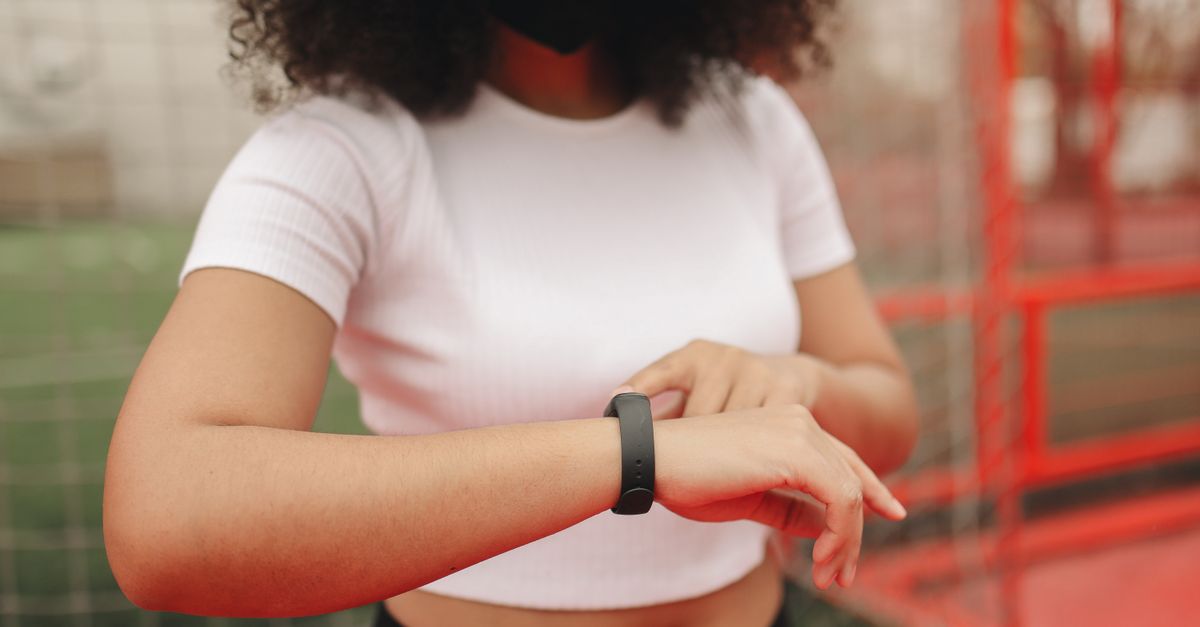
Here’s what most people miss: wearable tech isn’t about the numbers. It’s about the story you tell yourself about the numbers. And the story is getting more detailed — and more addictive — every season.
The Surprising Trend Nobody’s Talking About: Recovery Porn
You’d think the hottest trend in sports wearables would be about going faster. Nope. The real revolution? Learning when to stop.
I’ve found that my Garmin’s “Body Battery” feature has become my emotional support algorithm. It tells me when I’m charged up for a hard effort — and when I’m basically a phone at 3% battery about to die mid-call. And I’ve started listening. That’s wild.
A few years ago, “recovery” meant eating a bagel and lying on the couch while someone stepped over you. Now? It’s a science-backed art form. Wearables track:
- Heart Rate Variability (HRV): The gap between heartbeats. Higher = ready to dominate. Lower = maybe today’s not the day to chase a PR.
- Sleep stages: You’re not just sleeping — you’re building REM and deep sleep credits. Miss out, and your watch will judge you at 6 AM.
- Training Load: A fancy way of saying “how much you’ve beat yourself up this week.”
The Hidden War: Accuracy vs. Motivation
Here’s the dirty little secret nobody in the wearable industry wants to admit: your watch is probably lying to you.
Not maliciously. But think about it — a device strapped to your wrist is guessing your heart rate, your stride length, your calorie burn. It’s doing math, not magic. I’ve compared my Apple Watch to a chest strap during interval training. The difference? Sometimes 15-20 BPM. That’s the gap between “zone 2 easy jog” and “zone 4 panic attack.”
But here’s the thing: accuracy isn’t the point. Motivation is.
I’ve found that people who obsess over exact numbers often burn out faster. The weekend warrior who cares about trends — am I improving over weeks? — gets more joy than the person who freaks out over a 5% calorie discrepancy.
Let’s be real: if your watch says you burned 600 calories on a run, and you eat a donut that says 300, you’re both wrong. But the donut still tastes good. Wearables are like that donut — imperfect, but deliciously motivating.

3 Unexpected Trends That Will Change How You Run This Year
I’ve been testing gear and watching the market like a hawk. Here’s what’s actually moving the needle — not just hype:
1. AI Coaching That Doesn’t Suck Remember when “AI coaching” meant a robot voice telling you to “push harder”? Now, apps like Runna and Coros’s AI analyze your past runs, sleep, and stress to write a custom training plan. It’s like having a coach who actually remembers your Achilles injury from 2022. I’ve seen runners drop 5 minutes off their 10K time just by following algorithm-generated workouts. Spooky? Maybe. Effective? Absolutely.
2. Smart Rings Are Stealing the Show Watches are bulky. Rings are subtle. The Oura Ring and its competitors are becoming the undercover agents of fitness tracking. You wear it to bed, and it quietly judges your recovery. No screen. No notifications. Just pure, silent data. I’ve started wearing mine during runs too — it syncs with my watch, and suddenly I have two devices arguing about my heart rate. Peak 2024 energy.
3. Social Accountability Is the Secret Sauce Strava is old news. The new wave is live group runs with wearable integration. You and your buddies wear identical watches, run the same route, and see each other’s HR, pace, and effort in real-time. It turns a solo jog into a multiplayer game. I did this last month. My friend’s HR spiked every time a dog barked. I knew. He knew I knew. We ran faster out of pure embarrassment.

The Truth: Your Watch Can’t Replace Your Legs
Look, I’m not here to sell you a gadget. I’m here to tell you that the best wearable is the one you actually wear. Not the one with the most features. Not the one that costs a mortgage payment. The one that makes you lace up your shoes.
I’ve had weeks where I ignored every alert. I’ve had weeks where I followed my watch like a cult leader. The sweet spot? Use the data as a compass, not a judge.
Your weekend run is now a data-driven sport. But it’s still your sport. The numbers don’t define you — they’re just a mirror. And like any mirror, sometimes you look great, and sometimes you need to adjust the lighting.
So next time your watch buzzes with a “Performance Alert,” take a breath. Check the numbers. Laugh at the absurdity of it all. Then go run — because no algorithm can replicate the feeling of the wind in your face and a podcast in your ears.
Or, you know, just run for the donut. I won’t tell your watch.