I remember staring at my ceiling at 3:17 AM for the fifth night in a row. My brain was running a marathon of random thoughts — did I reply to that email, what’s the meaning of life, and why does my stomach feel like a washing machine on spin cycle? I tried everything: melatonin, blackout curtains, white noise apps, even counting sheep until I wanted to hunt them down. Nothing worked. Then, almost by accident, I started paying attention to my gut health. And let me tell you — it was the real game-changer.
Here’s the truth most people miss: your gut and your brain are in a constant, 24/7 conversation. It’s not just about digestion or bloating. The health of your microbiome directly influences how well (or how poorly) you sleep. Science is now backing up what ancient wisdom always hinted at — a happy gut equals a deep, restorative night’s rest. So let’s dive into the hidden connection and the science-backed tips that actually work.

The Gut-Brain Axis: Your Body’s Secret Nightline
You’ve probably heard of the "gut-brain axis" — it’s basically a superhighway of nerves, hormones, and chemical signals running between your digestive system and your brain. The vagus nerve is the main cable here. About 90% of serotonin (the "feel-good" hormone) is actually produced in your gut, not your brain. Serotonin is a precursor to melatonin, the hormone that tells your body it’s time to sleep.
So if your gut is inflamed, imbalanced, or overrun with bad bacteria? Your serotonin production takes a hit. That means less melatonin. That means you’re lying awake while your brain refuses to shut down. I’ve found that when I eat something that wrecks my digestion — like a greasy late-night pizza — my sleep quality nosedives. It’s not coincidence; it’s biology.
How Bad Gut Bacteria Hijack Your Sleep Cycle
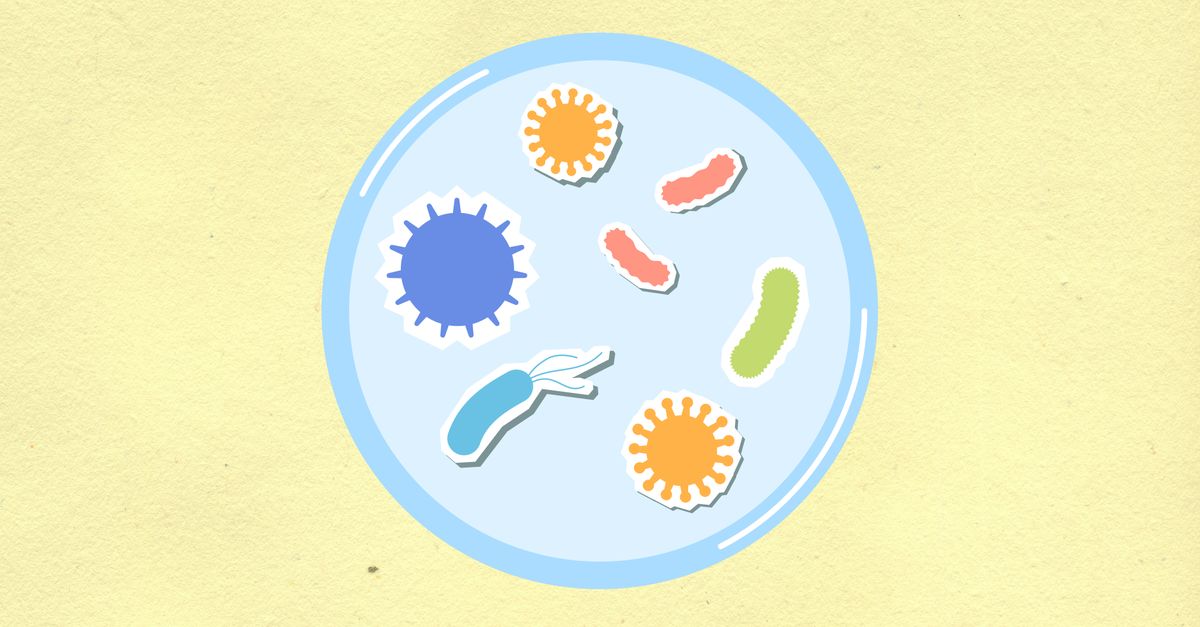
Here’s where it gets wild. Not all bacteria in your gut are your friends. Some strains thrive on sugar, processed foods, and stress. When these "bad guys" take over, they release inflammatory compounds that disrupt your body’s natural circadian rhythm. Think of it like having a bunch of drunk party guests screaming in your house while you’re trying to sleep.
A 2020 study published in Nature Communications found that people with higher diversity of beneficial gut bacteria had longer, more restful sleep compared to those with a less diverse microbiome. Another study showed that poor sleep can actually reduce gut bacteria diversity — creating a vicious cycle. Bad sleep damages your gut, and a damaged gut ruins your sleep. It’s a feedback loop nobody wants to be stuck in.
So what does this mean for you? You can’t just throw a melatonin pill at the problem and expect it to stick. You need to fix the root cause — your gut.
5 Science-Backed Tips to Heal Your Gut for Better Sleep
I’ve tested these on myself (and my stubborn 3 AM brain). They’re not fads. They work.
1. Eat More Fermented Foods (Yes, Really)
This is the low-hanging fruit. Sauerkraut, kimchi, yogurt, kefir, miso — these are packed with probiotics that feed your good bacteria. A 2019 study in Frontiers in Psychiatry linked regular consumption of fermented foods to lower stress and better sleep quality. I started adding a spoonful of kimchi to my dinner, and within a week, my sleep felt deeper. Aim for one serving of fermented food daily.2. Stop Eating 3 Hours Before Bed
I know, I know — late-night snacks are tempting. But here’s the deal: digestion takes energy. When you eat right before bed, your gut has to work hard while you’re trying to sleep. That disrupts the gut-brain signal and can cause wakefulness. Give your gut at least 3 hours to finish its job before you hit the pillow. Your microbiome needs a break too.3. Load Up on Prebiotic Fiber
Probiotics are the good guys, but they need food. That’s where prebiotics come in — think garlic, onions, bananas, oats, asparagus, and leeks. These fibers feed your beneficial bacteria, helping them thrive. A 2021 study found that higher prebiotic intake was linked to more slow-wave sleep — the deep, restorative phase. I’ve swapped my morning cereal for oatmeal with banana slices, and I swear my sleep feels heavier.4. Cut the Sugar and Processed Junk
This one hurts, I know. But sugar feeds the bad bacteria in your gut, leading to inflammation and hormonal chaos. That inflammation can mess with your melatonin production. Limit added sugars to no more than 25 grams per day (that’s about 6 teaspoons). I noticed a massive difference when I cut out soda and candy — my 3 AM wake-ups became rare.5. Consider a Gut-Healing Supplement (Wisely)
Not all supplements are created equal. Look for a quality probiotic with multiple strains (Lactobacillus and Bifidobacterium are well-studied for sleep). Also, magnesium glycinate can help relax both your gut and your nervous system. But don’t go overboard — start with one supplement and see how you feel. Always consult a doctor before adding new supplements.
The Stress-Gut-Sleep Triangle Most People Ignore
Let’s be honest — stress is the elephant in the room. Chronic stress changes your gut microbiome in days. It reduces beneficial bacteria and increases permeability (leaky gut). That leads to inflammation, which messes with your sleep hormones. You can eat all the kimchi in the world, but if you’re constantly stressed, your gut won’t fully heal.
Here’s what I do: 10 minutes of deep breathing or meditation before bed. It sounds basic, but it lowers cortisol (the stress hormone) and signals your gut that it’s safe to rest. Your gut and brain are listening — give them that signal.
Another trick? Morning sunlight exposure. It sets your circadian rhythm, which in turn helps your gut bacteria sync up. I step outside for 10 minutes within an hour of waking. It’s free, easy, and works better than any app.
The Nighttime Routine That Changed Everything
After months of trial and error, here’s my current routine:
- Dinner by 7 PM (no later than 8 PM)
- A small bowl of yogurt with banana and oats (prebiotic + probiotic combo)
- No screens after 9 PM (blue light kills melatonin)
- A cup of chamomile or ginger tea (both soothe the gut)
- 10 minutes of belly breathing (to calm the vagus nerve)
- Lights out by 10:30 PM
Your Gut Is the Missing Piece of the Puzzle
We spend so much money on fancy mattresses, sleep trackers, and lavender sprays. But if your gut is a mess, none of that will fix your sleep. The science is clear: a healthy microbiome is the foundation of restorative rest. You don’t need a hundred supplements or a strict diet. Start small. Add some fermented food. Cut the late-night sugar. Give your gut time to digest before bed. And for heaven’s sake, manage your stress.
Your sleep isn’t just about your brain — it’s about the trillions of tiny organisms living in your digestive tract. Treat them well, and they’ll reward you with the deepest sleep of your life.
Now, go eat some kimchi and get some real rest.